
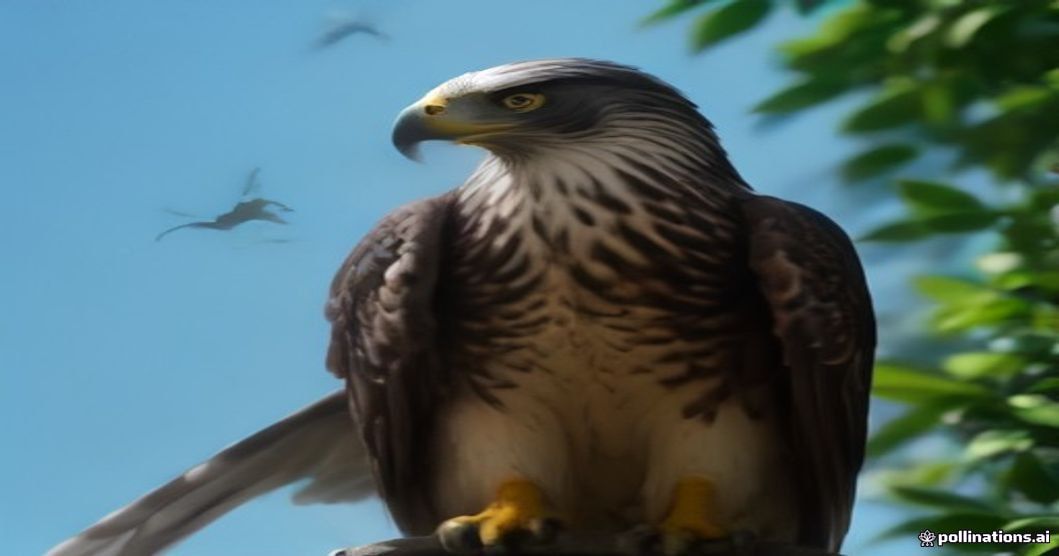
Introduction to the Black-Chestnut Eagle
In the rugged and verdant northwestern regions of South America, a magnificent yet elusive aerial hunter makes its home: Isidore’s Hawk-Eagle, scientifically known as Spizaetus isidori and often referred to as the black-chestnut eagle. This striking raptor’s historical range spans across the Andes and surrounding forested habitats, reaching from Colombia and Venezuela down through Ecuador, Peru, and Bolivia, all the way into northwestern Argentina. Despite covering this expansive geographical footprint, ornithologists and wildlife enthusiasts consider these birds remarkably rare throughout their entire territory.
Behavior and High-Energy Lifestyle
As a veterinary professional and avian behaviorist, observing the sheer vitality of these raptors is truly fascinating. Isidore’s Hawk-Eagles are exceptionally active creatures that rarely spend time resting during daylight hours. When they do pause, they prefer sun-drenched locations, perching conspicuously on exposed treetops, prominent branches, and forest stumps. A distinct physical characteristic often observed during these resting moments is their wingtips drooping gracefully below the tip of their tail, giving them a statuesque and powerful silhouette.
Dietary Habits and Ecological Pressures
At the top of the avian food chain, these formidable hunters specialize in taking down substantial prey within hilly and mountainous terrain. Their natural diet primarily consists of arboreal mammals such as woolly monkeys, sloths, and other forest-dwelling small mammals. However, as human settlements encroach deeper into their natural habitats and native forests are fragmented, Isidore’s Hawk-Eagles occasionally resort to raiding local villagers’ chicken coops. Unfortunately, this inevitable human-wildlife conflict has made them targets for retaliation, leading to a continuous and worrying decline in their wild population.
Fascinating Historical Trivia
Beyond their ecological significance, these raptors carry a rich historical legacy. The species is proudly named in honor of the renowned French naturalist Isidore Geoffroy Saint-Hilaire, who scientifically documented and collected the very first specimen back in 1844, cementing the bird’s place in scientific history.