
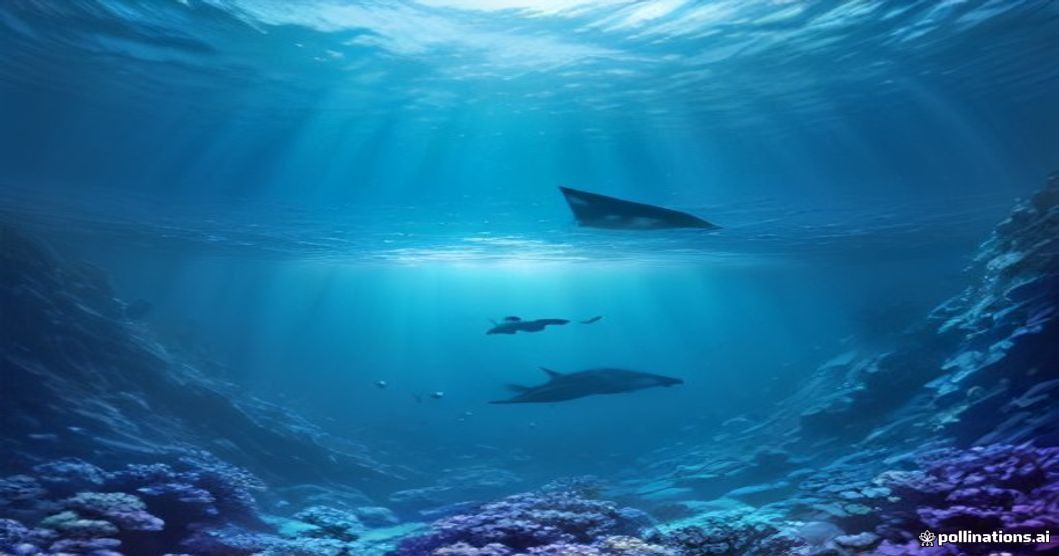
Introduction to the Reef Manta
The Reef Manta Ray, scientifically known as Manta alfredi, stands as one of the most magnificent and awe-inspiring creatures inhabiting our planet’s warm coastal waters. Reaching staggering widths of up to 5.5 meters, these gentle giants command respect and admiration from marine biologists, divers, and ocean enthusiasts alike. Unlike their pelagic relatives, reef mantas prefer the shallow, nutrient-rich environments surrounding coral reefs and remote oceanic islands.
Habitat, Behavior, and Diet
Thriving primarily in tropical and subtropical habitats, Manta alfredi exhibits a much more localized lifestyle compared to the migratory Giant Oceanic Manta Ray. They are frequently spotted patrolling cleaning stations where smaller reef fish rid them of parasites. As filter feeders, their diet is specialized and consists primarily of microscopic zooplankton, tiny crustaceans, and fish larvae, which they gracefully scoop up using their specialized cephalic lobes while swimming.
Interaction with Humans and Conservation
Despite their massive proportions, reef mantas are completely harmless to humans, lacking the venomous tail spine found in other stingray species. Their calm demeanor and curious nature make encounters with them unforgettable for snorkelers and scuba divers. However, as coastal habitats face increasing pressures from human activity, pollution, and climate change, protecting these vulnerable and majestic creatures has become a critical priority for global marine conservation efforts.