
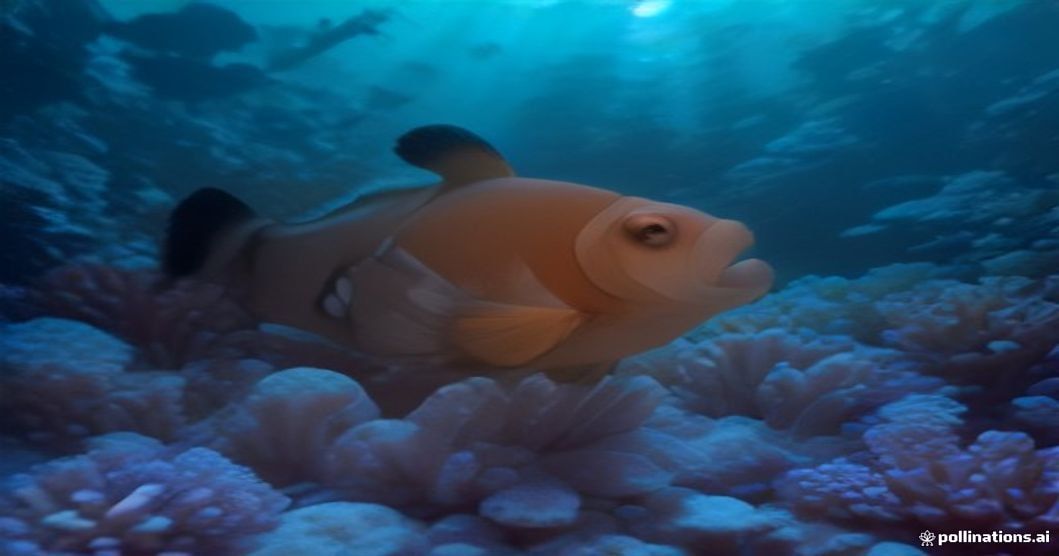
Introduction to the Charming Clownfish
Scientifically known as Amphiprion percula, the clownfish is undoubtedly one of the most recognizable and beloved marine species in the world. Famous for their vibrant appearance and fascinating symbiotic relationships, these captivating little swimmers are a true marvel of the coral reef ecosystem.
Natural Habitat and Geographic Distribution
Native to the warm, tropical waters of the western Pacific Ocean, clownfish are frequently spotted near New Guinea, the Solomon Islands, and Vanuatu. They thrive in vibrant coral reef environments, where they form tight-knit communities sheltered among the branches of shallow reefs.
The Symbiotic Relationship with Sea Anemones
One of the most remarkable aspects of clownfish biology is their unique relationship with actinias, commonly known as sea anemones. While sea anemones possess stinging tentacles that are lethal to most other marine life, clownfish develop a special protective mucus layer. This adaptation allows them to safely hide, sleep, and breed within the stinging tentacles, gaining ultimate protection from predators while keeping the anemone clean and healthy in return.
Physical Characteristics and Size
Growing to an average length of about 11 centimeters, the clownfish is a true beauty to behold. They boast striking, high-contrast coloration featuring brilliant orange-red bodies adorned with distinct white stripes outlined in dramatic black. Their lively swimming patterns and charismatic presence make them an enduring favorite among marine enthusiasts and aquarists alike.