
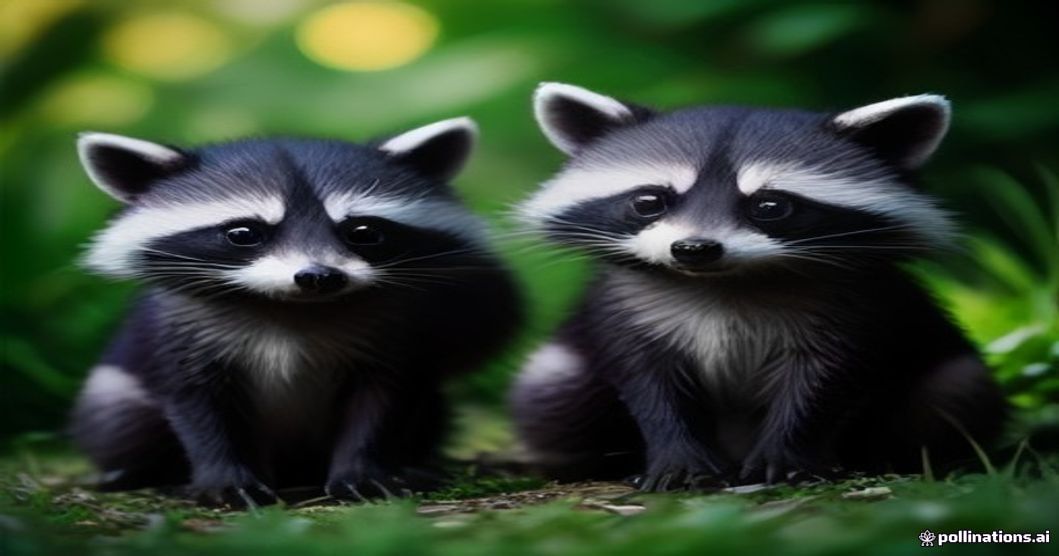
When people think of raccoons, they often picture a lone bandit rummaging through a suburban garbage can under the cover of night. However, animal behaviorists and wildlife veterinarians know that these remarkably intelligent creatures are far more social than many realize. While not living in massive packs like wolves, raccoons frequently form cooperative groups, a gathering that is most commonly and aptly known as a “gang” or, alternatively, a “nursery” when related females raise their young together.
The Social Structure of a Raccoon Gang
A typical raccoon gang is usually composed of a tightly knit family unit. Adult females, known as sows, and their kits form the core of these groups. Interestingly, research has also shown that related or even unrelated males may occasionally form loose bachelor groups, especially during non-breeding seasons when food resources are abundant. These social networks provide safety in numbers, shared knowledge of foraging locations, and communal defense against potential predators such as coyotes, great horned owls, and domestic dogs.
Behavioral Adaptations and Intelligence
The success of a raccoon gang largely relies on the species’ extraordinary cognitive abilities. Raccoons possess exceptionally dexterous front paws, equipped with a high density of mechanoreceptors that allow them to “see” through touch—a sensory process known as doused-haptic perception. Within a gang, younger raccoons learn critical survival skills through observational learning, watching experienced adults navigate complex urban environments, open latches, and identify safe food sources. Their adaptability makes them one of the most successful urban wildlife species in North America.
Health, Safety, and Veterinary Concerns
As fascinating as these masked mammals are, living in close proximity to a raccoon gang presents certain wildlife management and veterinary health challenges. Raccoons are known vectors for several zoonotic diseases that can affect both humans and domestic pets, most notably rabies, canine distemper, and raccoon roundworm (Baylisascaris procyonis). Veterinarians strongly advise pet owners to keep dogs and cats fully vaccinated and prevent pets from interacting with or consuming food left out for wildlife. If you encounter a raccoon gang on your property, it is crucial to secure trash receptacles, seal potential den openings under decks or in attics, and maintain a respectful, safe distance to ensure both human and animal well-being.