
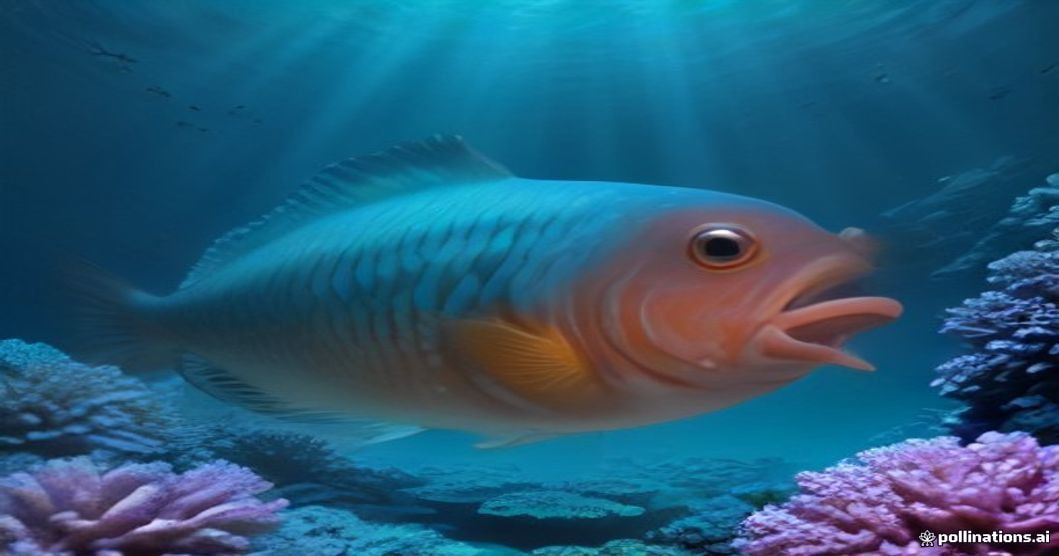
Discovering Epibulus insidiator
Beneath the crystal-clear waters of the Indo-Pacific lies one of the ocean’s most fascinating and specialized hunters: the Big-Mouthed Wrasse (Epibulus insidiator). Stretching from the vibrant waters of the Red Sea down to the eastern and southern coasts of Africa, this remarkable marine species is a true testament to evolutionary engineering. As a dedicated veterinarian and marine life enthusiast, I am always captivated by how aquatic species adapt their anatomy to conquer their specific ecological niches.
The Mechanics of a Remarkable Jaw
What sets the Big-Mouthed Wrasse apart from other reef inhabitants is its extraordinary, highly extensible mouth. Featuring a distinctive long lower jaw and a specialized tubular snout, this fish can rapidly project its mouth forward to capture elusive prey. This unique biomechanical adaptation allows the wrasse to effortlessly extract small crustaceans and unsuspecting small fish from narrow crevices, tight spaces between coral branches, and deep recesses where other predators simply cannot reach.
Habitat and Solitary Lifestyle
These fascinating fish are most commonly found patrolling coral-rich lagoons and plunging seaward reefs. Operating primarily as solitary hunters, they navigate depths ranging from 1 to 42 meters. Their independent nature and keen hunting strategies make them a vital component of the reef ecosystem, helping to maintain a balanced marine population. Understanding the natural behaviors and specialized needs of species like the Big-Mouthed Wrasse underscores the importance of preserving healthy coral reef habitats worldwide.