
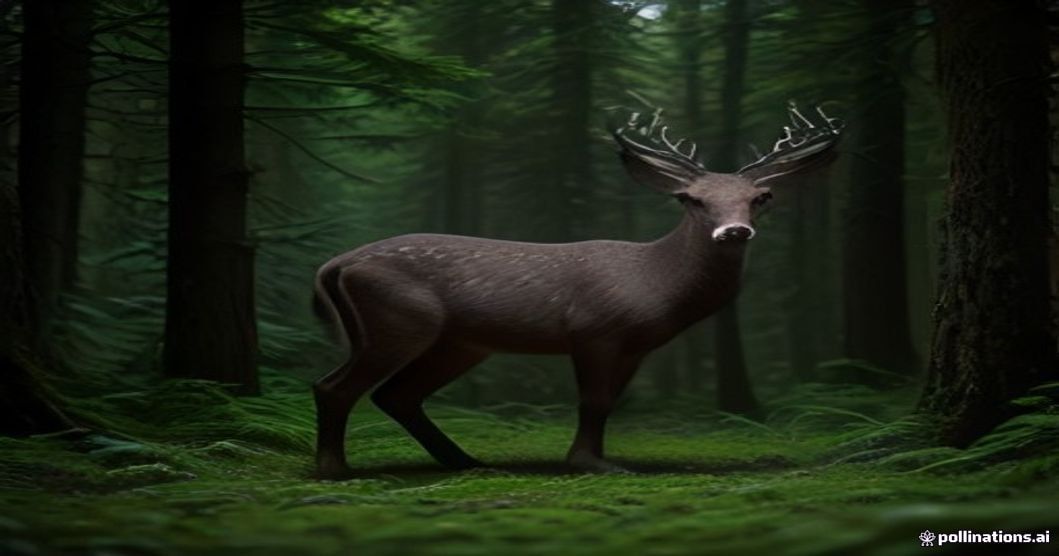
Introduction to the Musk Deer
The musk deer (Moschus moschiferus) is a fascinating, small even-toed ungulate that often captures the imagination of wildlife enthusiasts and researchers alike. While frequently mistaken for traditional deer species due to its similar size and general appearance, the musk deer possesses several distinct anatomical and behavioral traits that set it apart in the animal kingdom.
Unique Physical Characteristics
One of the most striking differences between true deer and musk deer is the complete absence of antlers. Instead of antlers, male musk deer feature long, curved canine tusks that protrude from beneath the upper lip, measuring an impressive 7 to 9 centimeters. These specialized tusks serve as crucial tournament weapons during mating season interactions. Furthermore, male musk deer possess a specialized abdominal gland responsible for producing musk—a potent, highly sought-after substance. To add to their unique silhouette, musk deer feature unusually long hind legs, leaving their rump standing 5 to 10 centimeters higher than their withers.
Habitat and Solitary Lifestyle
When it comes to ecology and distribution, musk deer show a strong preference for dark, dense coniferous regions of the taiga, particularly areas featuring rocky outcrops. These solitary animals are notably sedentary, establishing strict home ranges within their preferred forested habitats and rarely venturing far from their chosen territories.
Specialized Diet and Foraging Habits
As a specialized herbivore, the musk deer relies heavily on specific forage to survive the harsh climates of its range. Epiphytic and terrestrial lichens form the foundation of their nutrition, making up a staggering 65% to 95% of their diet during the winter months. To supplement this, they also consume fir and cedar needles, various umbellifers, bilberry leaves, ferns, and horsetails.
The High Cost of Musk
Beyond its ecological role, the musk deer is internationally famous for its glandular secretion, which has been utilized for centuries in high-end perfumery. Because a single gram of natural musk can command hundreds of dollars, it remains one of the most expensive animal-derived products by weight in the entire world, posing significant conservation considerations for these elusive forest dwellers.