
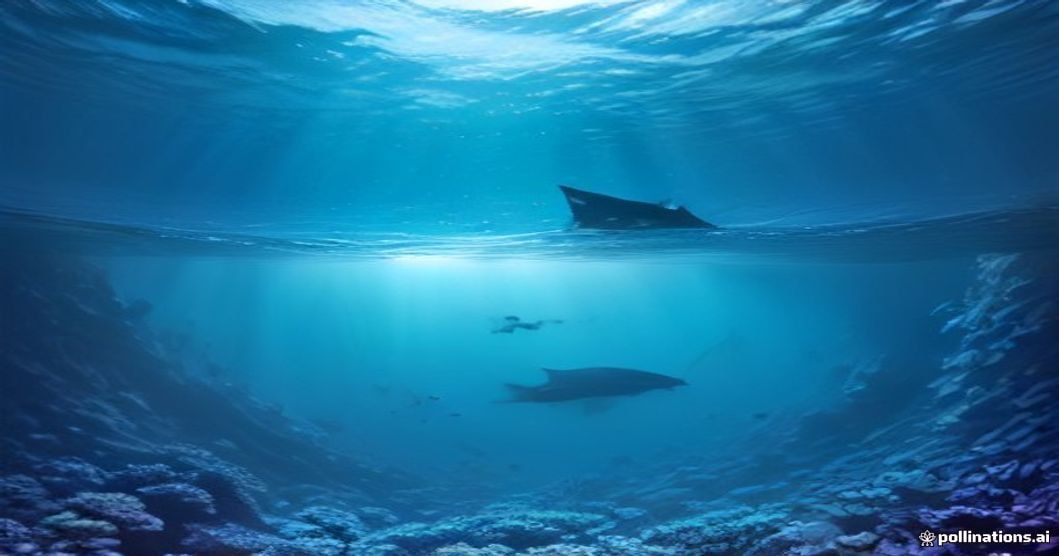
Introduction to the Reef Manta
The Reef Manta Ray, scientifically known as Manta alfredi, stands as one of the most magnificent and awe-inspiring creatures inhabiting our planet’s warm tropical and subtropical waters. Reaching an impressive width of up to 5.5 meters, these gentle giants command respect and admiration from marine biologists, divers, and ocean enthusiasts alike. Despite their colossal size, they possess a grace and tranquility that captivates anyone fortunate enough to encounter them in their natural habitat.
Habitat and Migration Patterns
Unlike their pelagic cousins, the giant oceanic manta rays, reef mantas prefer to stay closer to home. They thrive in shallow coastal areas, often found gliding effortlessly near vibrant coral reefs, sheltered bays, and around oceanic islands. Because their primary food sources are abundant in these localized zones, their migration patterns are significantly shorter, typically driven by seasonal changes in food availability and water currents rather than long ocean-crossing journeys.
Diet and Feeding Behavior
As filter feeders, reef mantas play a crucial ecological role in maintaining the health of coastal marine ecosystems. Their specialized diet consists almost entirely of microscopic zooplankton, tiny crustaceans, and fish larvae. Using specialized cephalic lobes—often referred to as ‘horns’—they funnel nutrient-rich water into their large mouths, filtering out the microscopic prey while gracefully swimming through the water column.
Interaction with Humans
A common misconception among beachgoers and novice divers is that large marine rays pose a threat. However, reef mantas are completely harmless to humans. Lacking the venomous barbed stingers found on stingrays, they are docile, highly intelligent, and occasionally quite curious creatures. Responsible eco-tourism allows divers and snorkelers to swim alongside these majestic animals, fostering a deeper appreciation for marine conservation and the preservation of our fragile coral reef ecosystems.