
Introduction to the Prehistoric Giant
With a lineage dating back millions of years, the Alligator Snapping Turtle (scientifically known as Macroclemys temminckii, often historically referred to as Macroclemys temmincki) stands as one of the most fascinating and formidable freshwater turtles on the planet. Earning its name from its exceptionally powerful, beak-like jaws and a rugged, heavily ridged carapace that bears a striking resemblance to the armored skin of an alligator, this reptile is a true marvel of evolutionary design.
Natural Habitat and Geographic Range
Native primarily to the southeastern region of the United States, these aquatic giants find their ideal home within the expansive Mississippi River basin. Their range stretches far and wide, from the warm waters of Florida and Louisiana all the way up north into parts of Illinois. They prefer slow-moving river systems, canals, lakes, and swampy bayons where they can spend the vast majority of their lives completely submerged, blending seamlessly into the murky bottoms.
Unique Hunting Strategy and Diet
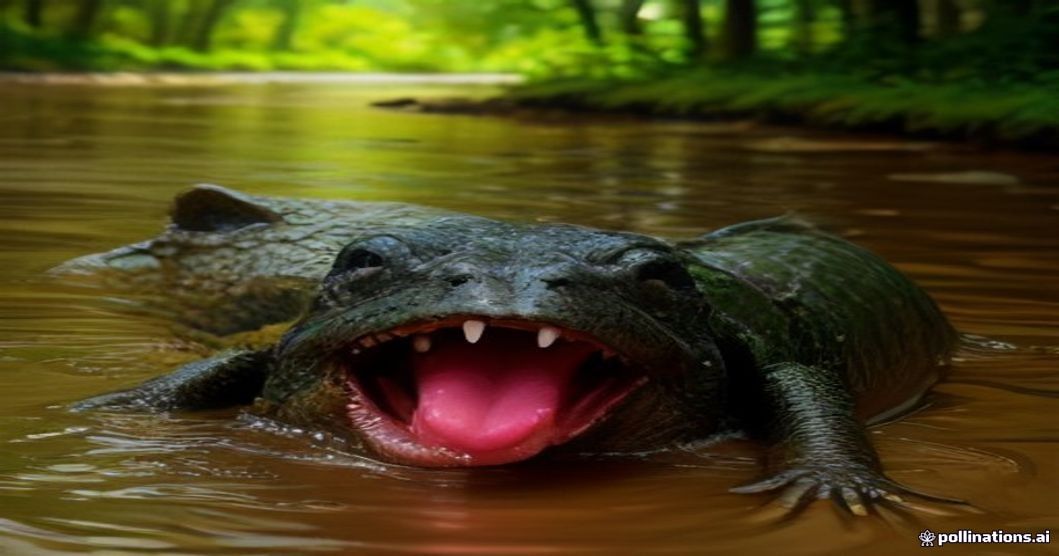
As opportunistic carnivores, the diet of an alligator snapping turtle consists of a wide variety of aquatic animals, with fish serving as their primary food source. However, what truly sets this species apart is its ingenious and unique hunting method. Rather than actively pursuing fast-swimming prey, the turtle will lie completely still, partially buried in the muddy substrate. It opens its powerful jaws wide to reveal a distinct, pink, worm-like appendage on the tip of its tongue. By wriggling this biological lure, it effortlessly tricks curious fish right into striking distance, securing its next meal with a lightning-fast snap of its jaws.
Conservation and Expert Care Insights
While their prehistoric appearance and immense strength make them a subject of great fascination, alligator snapping turtles require specialized care and are strictly regulated or protected in many areas due to historic overharvesting and habitat loss. As professional veterinarians and wildlife experts, we emphasize that these turtles are wild animals with immense biting power—capable of crushing bone—and are entirely unsuited for the average pet owner. Appreciating their role in maintaining healthy aquatic ecosystems from a respectful distance ensures both human safety and the preservation of these magnificent ancient reptiles.