
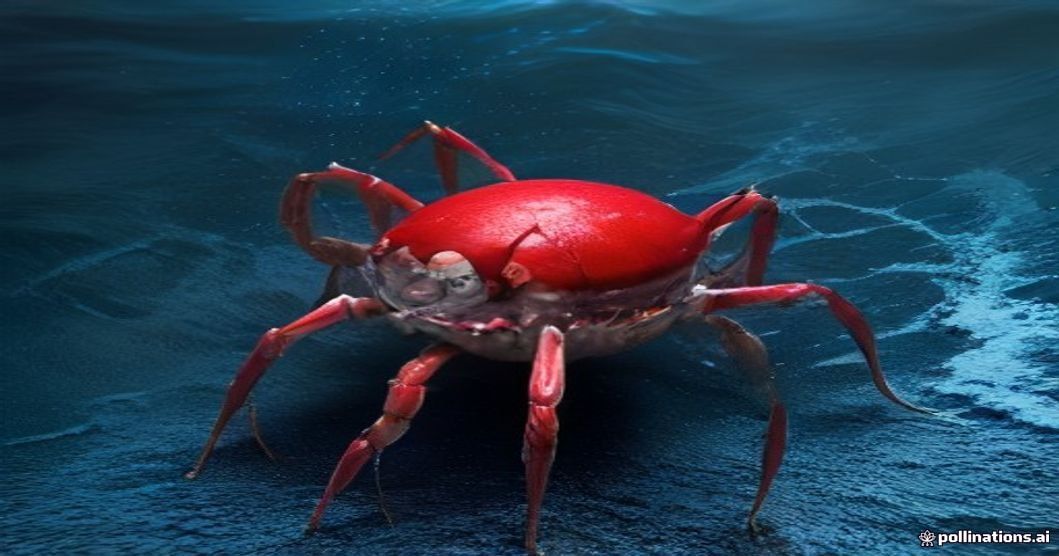
Introduction to the Ocean’s Largest Arthropod
As a veterinarian and marine life enthusiast, I am continually awestruck by the sheer diversity of animal adaptations on our planet. Among the most magnificent denizens of the deep is the Japanese Spider Crab (Macrocheira kaempferi). Holding the title of the largest living arthropod in the world, this remarkable creature commands respect and wonder with its staggering dimensions and ancient lineage.
Anatomy and Habitat: Built for the Abyss
The sheer scale of the Japanese Spider Crab is breathtaking. While its central carapace can reach lengths of up to 45 centimeters (about 18 inches), its formidable leg span can stretch an incredible 3 meters (nearly 10 feet) from claw to claw. Mature specimens can weigh as much as 20 kilograms (44 pounds). These gentle giants inhabit the cold, dark waters of the Pacific Ocean off the coast of Japan, typically thriving at depths ranging from 50 to 300 meters.
Diet, Behavior, and Longevity
Despite their intimidating appearance, these long-legged bottom-dwellers move in a deliberate, unhurried manner along the ocean floor. As opportunistic omnivores, they play a vital ecological role by scavenging for mollusks, plants, and animal remains, essentially acting as the ocean’s cleanup crew. Their hardiness is reflected in their remarkable lifespans; in the wild, these crabs can live up to an astonishing 100 years, though their longevity is somewhat reduced to around 70 years when kept in specialized public aquariums.
Conservation and Cultural Significance
Beyond their ecological importance, Japanese Spider Crabs hold a unique place in local culture and cuisine, where they are regarded as a seasonal delicacy. However, high demand has taken a toll on wild populations. Historical annual catches ranging between 27 to 30 tons have plummeted drastically to a mere fraction—about one-tenth—of that volume. As animal health and welfare advocates, it is crucial that we promote sustainable fishing practices and marine conservation efforts to ensure that these majestic leviathans continue to roam the ocean depths for generations to come.