
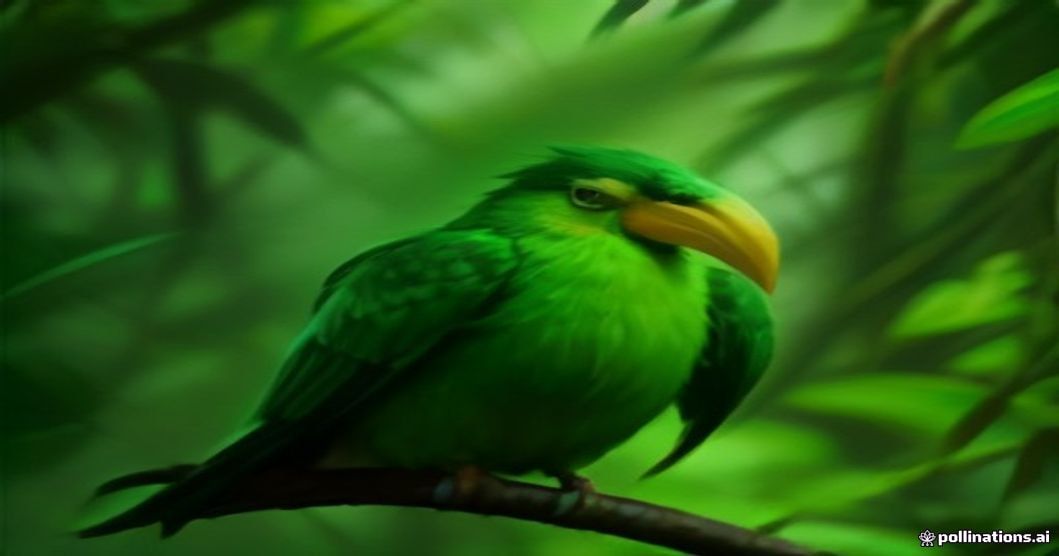
Introduction to the Emerald Toucanet
As a veterinarian and avian care specialist, I am always thrilled to explore the fascinating world of exotic birds. Among the most charismatic members of the wider toucan family is the Emerald Toucanet (Aulacorhynchus prasinus). While they share a close familial bond with larger toucans, these delightful birds possess a distinct charm and character all their own.
Habitat and Natural Distribution
Native to the lush, humid forests and open wooded areas stretching from Mexico all the way down to Bolivia, the Emerald Toucanet has a distinct preference for higher elevations. Thriving in cooler montane climates, these resilient birds navigate the forest canopy with remarkable agility. According to the International Union for Conservation of Nature (IUCN), the species is currently classified as Least Concern, meaning they are not globally threatened at this time.
Physical Characteristics and Sexual Dimorphism
Measuring up to 35 cm in length and maintaining a healthy weight of around 160 grams, the Emerald Toucanet sports a predominantly emerald-green plumage that provides exceptional camouflage in the rainforest canopy. Like their larger toucan cousins, they feature an impressively long, striking beak. This specialized bill showcases a vibrant contrast, with the upper mandible displaying a striking combination of black and yellow, while the lower mandible is typically solid black. Differentiating between the sexes can be a challenge for even experienced bird enthusiasts; males and females look nearly identical, though observant keepers will notice that males are typically slightly larger in overall body size.
Dietary Habits and Ecological Importance
From a nutritional and ecological standpoint, these birds play a vital role in their native ecosystems. Groundbreaking studies dating back to the 1980s revealed that Emerald Toucanets are prolific frugivores and seed dispersers, feeding on the seeds of at least 113 different plant species. Their specialized diet makes them essential contributors to forest regeneration and biodiversity. For those who care for exotic birds in captivity, understanding their natural dietary needs—focusing on low-iron, fresh fruits and specialized pellets—is paramount to ensuring a long, healthy life.