
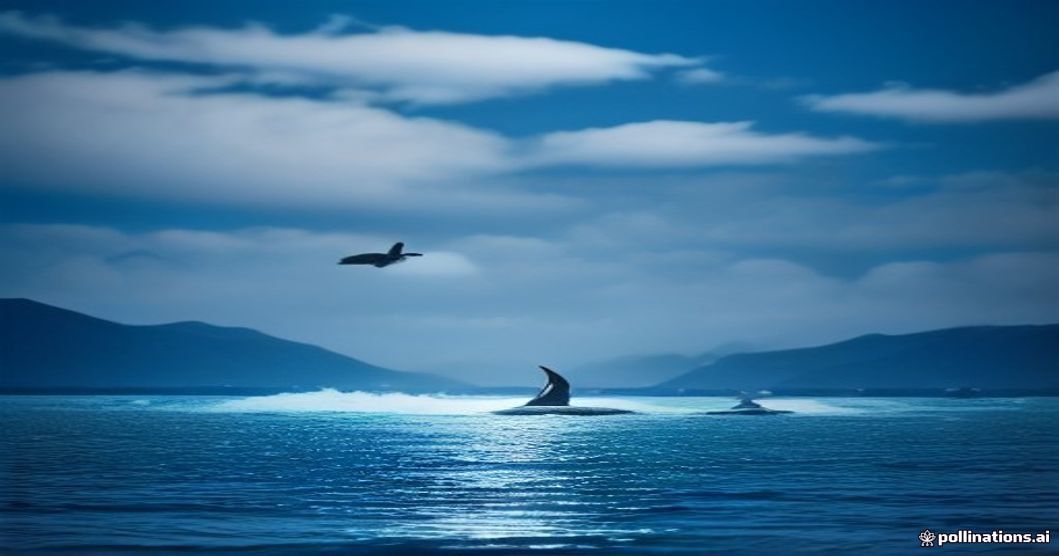
Introduction to Orca Intelligence
In the vast and dynamic realm of the ocean, few predators command as much respect and fascination as the orca, scientifically known as Orcinus orca. Often referred to as killer whales, these apex predators are actually the largest members of the dolphin family. Beyond their striking appearance and formidable size, orcas possess an extraordinary level of cognitive ability and social structure that sets them apart in the animal kingdom.
The Mechanics of a Collaborative Hunt
One of the most awe-inspiring behaviors documented in marine biology is the collaborative hunting strategy employed by certain orca populations, particularly when targeting prey resting on floating ice floes. Unlike solitary hunters, orcas operate with military-like precision. The hunt begins with meticulous detection, where pod members use sophisticated echolocation and visual cues to locate prey, such as seals, resting safely out of the water.
Coordinated Underwater Attacks
Once the target is identified, the pod executes a breathtakingly synchronized underwater maneuver. Working as a cohesive unit, multiple orcas swim in unison toward the ice field, generating a massive, coordinated wave beneath the surface. This engineered swell rises up and forcefully breaks through the ice, washing the startled prey off its refuge and directly into the waiting jaws of other pod members stationed nearby. This complex behavior is not instinctual alone; it is taught and refined across generations, showcasing the rich cultural transmission and advanced veterinary-level understanding of animal behavior we continue to study in marine mammals.