
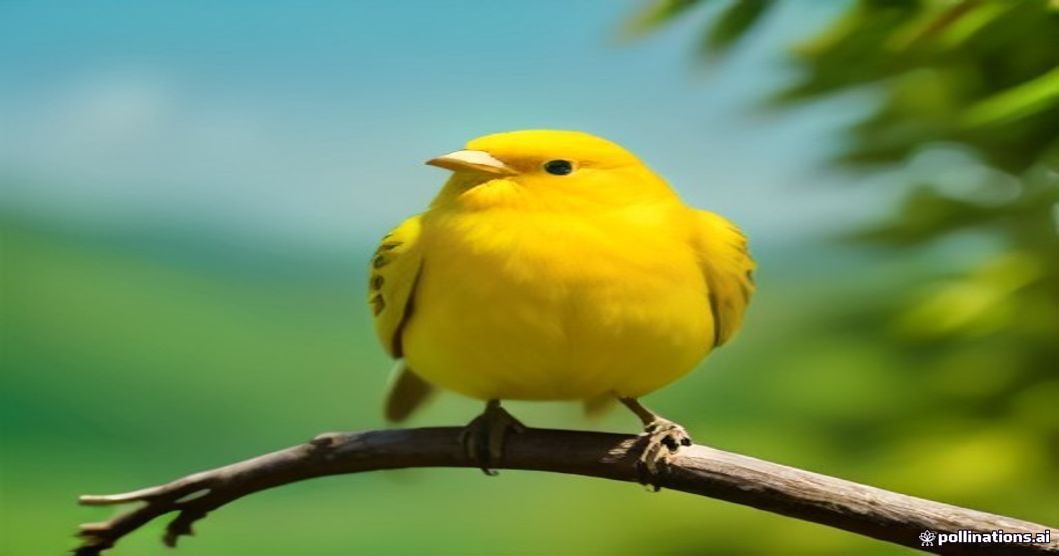
When most people think of the Canary Islands, Spain, their minds drift to sun-drenched beaches, volcanic landscapes, and perhaps the cheerful, melodious song of the Atlantic canary, a bird native to this enchanting Spanish archipelago. However, beyond the picturesque tourism, the Canaries boast a unique ecosystem and a vibrant pet-owning community that presents distinct veterinary and animal health considerations.
The Unique Ecosystem and Native Fauna
The geographic isolation of the Canary Islands has allowed numerous endemic species to evolve. From the iconic Bolle’s pigeon to the Tenerife lizard, the archipelago is a hotspot for biodiversity. For local veterinarians and conservationists, protecting these native species while managing the human-animal interface is a daily priority. Wildlife rehabilitation centers play a crucial role in treating injured seabirds and migratory species that stop along their trans-Atlantic journeys.
Companion Animal Care in a Subtropical Climate
For domestic pets—particularly dogs, cats, and birds—living in the Canary Islands offers a wonderful climate, but it also comes with specific health challenges. The subtropical weather means that ectoparasites such as fleas, ticks, and mosquitoes are active year-round. Veterinary professionals strongly emphasize preventative medicine, including routine treatments against heartworm and leishmaniasis, two prevalent parasitic diseases transmitted by vectors in warmer Spanish regions.
Veterinary Medicine and Pet Tourism
As a major European travel destination, the Canary Islands see many pet owners bringing their dogs and cats for holidays or relocating permanently. Ensuring compliance with EU pet travel regulations—such as microchipping, rabies vaccinations, and EU pet passports—is essential. Local veterinary clinics are exceptionally well-equipped, offering modern diagnostics, emergency care, and multilingual services to accommodate the diverse international population residing on islands like Tenerife, Gran Canaria, and Lanzarote.
Promoting Responsible Pet Ownership
Animal welfare organizations and veterinary practices across the islands work tirelessly to promote responsible pet ownership, catch-and-release programs for feral cat colonies, and microchipping campaigns. By addressing both domestic pet health and wildlife conservation, the Canary Islands continue to be a shining example of how humans and animals can thrive together in a delicate island ecosystem.