
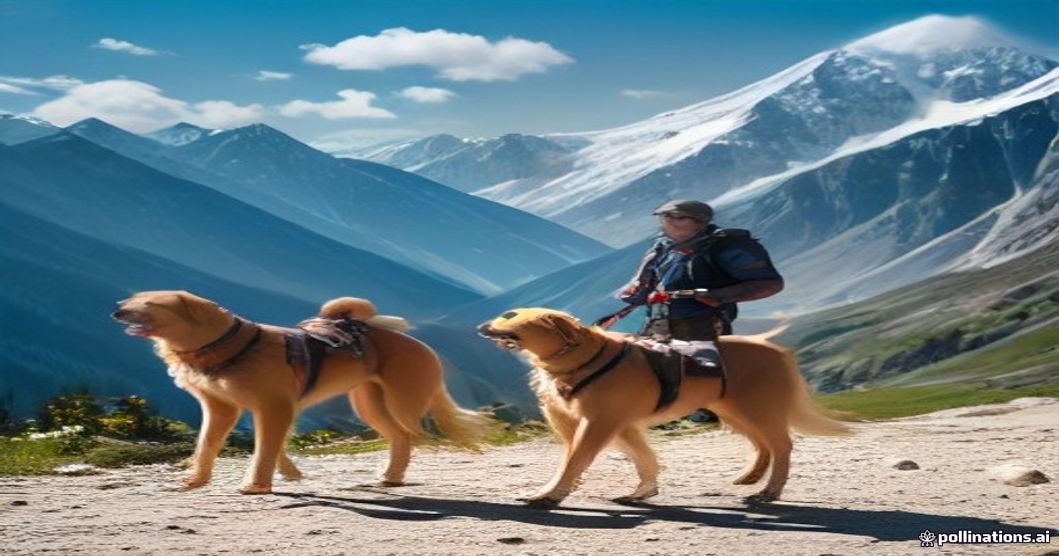
Nestled in the breathtaking western section of the Greater Caucasus Main Range, Zakan Peak stands as a majestic summit of a complex mountain node. While its rugged terrain and alpine meadows offer an irresistible playground for adventurous hikers and their canine companions, high-altitude environments present unique challenges to animal health that every pet owner must navigate carefully.
Understanding High-Altitude Risks for Pets
When traveling with pets to elevated regions like Zakan Peak, the decrease in atmospheric pressure and lower oxygen levels can significantly impact their cardiovascular and respiratory systems. Pets with pre-existing conditions, brachycephalic breeds, and older animals are particularly vulnerable to altitude sickness, which manifests as lethargy, vomiting, and respiratory distress.
Essential Preparation and Veterinary Guidance
Before embarking on any trek near the Greater Caucasus, a thorough pre-travel veterinary checkup is essential. Ensuring your pet’s vaccinations are up to date, parasite preventatives are applied, and microchip details are current can prevent emergencies far from veterinary care. Additionally, pet owners must pack a specialized canine first-aid kit, plenty of fresh water, and high-energy food tailored for strenuous exertion.
Protecting Paws and Skin in Alpine Terrain
The rocky and unpredictable terrain surrounding Zakan Peak can take a heavy toll on paw pads. Protective booties and veterinary-approved paw waxes are invaluable tools for preventing abrasions, cuts, and burns from hot rocks or ice. Furthermore, high-altitude sun exposure requires pet-safe sunscreens, particularly on sensitive, unpigmented areas of the nose and ears, ensuring your furry companion remains healthy and happy throughout the expedition.