
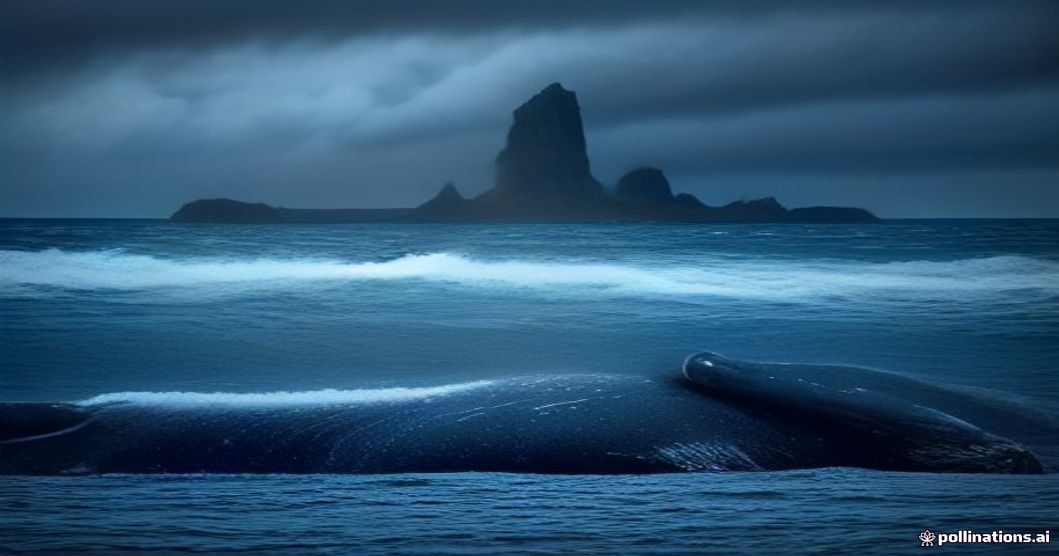
An Ancient Arctic Sanctuary
Deep within the unforgiving expanse of the Bering Sea lies Yttygran Island, home to one of the most enigmatic and awe-inspiring archaeological sites in the Arctic: Whale Alley. Dating back to the 13th and 14th centuries, this remarkable ancient Eskimo sanctuary stands as a monumental testament to the deep spiritual and ecological connection between indigenous Arctic populations and the majestic marine mammals of the North.
Architects of the Tundra
Constructed by the ancestral Inuit and Yupik peoples, Whale Alley is meticulously aligned along the coast, featuring a dramatic corridor made of massive, buried bowhead whale skulls and towering jawbones. These architectural elements were not merely decorative; they served as a sacred gathering place, ritual center, and navigational landmark for whale hunters who revered the bowhead whale not just as a vital source of sustenance, but as a central figure in their cosmology and survival.
Veterinary and Ecological Insights into the Bowhead Whale
From a modern marine biology and veterinary perspective, the preservation of these massive skeletal remains offers invaluable insight into the historical population health, anatomy, and longevity of the bowhead whale (Balaena mysticetus). Known for their incredible lifespan—often exceeding two centuries—bowheads are among the most resilient cetaceans in the Arctic. Examining these centuries-old bones allows researchers to study historical pathology, growth rates, and environmental conditions of the ancient Arctic ecosystem.
Preserving a Fragile Heritage
Today, Whale Alley remains a protected and deeply revered cultural landscape. As climate change rapidly alters the Arctic permafrost and coastline, protecting these ancient marine mammal remains is more crucial than ever. They serve as a physical bridge between the rich indigenous history of the region and our ongoing scientific understanding of Arctic biodiversity and wildlife conservation.