
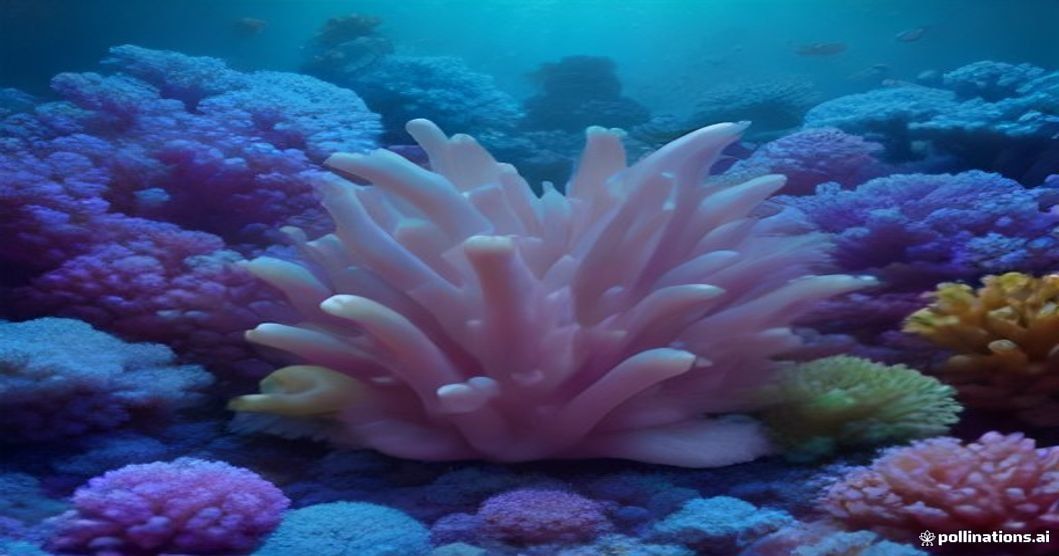
Discovering the Vibrant Hypselodoris tryoni
In the mesmerizing world of marine biology, few creatures capture our attention quite like the Hypselodoris tryoni. This vibrant sea slug is a marvel of aquatic evolution, easily recognized by its striking coloration and graceful movements as it explores the ocean floor. But beneath its dazzling appearance lies a sophisticated sensory system designed for survival in a complex underwater ecosystem.
The Role of Rhinophores in Marine Navigation
How does a slow-moving gastropod navigate the vast ocean? The secret lies in its rhinophores—specialized sensory structures located on its head. These tentacle-like organs act as the animal’s primary tool for detecting chemical signals in the water column. By ‘smelling’ and ‘tasting’ its environment, the Hypselodoris tryoni can successfully hunt for food, avoid predators, and track its surroundings with remarkable precision.
A Remarkable Partnership: The Imperial Shrimp
One of the most fascinating aspects of observing the Hypselodoris tryoni is discovering its tiny travel companions. Tucked safely near the sea slug’s gills, you will often find an imperial shrimp (Zenopontonia rex). This clever crustacean engages in a classic example of commensalism—a biological relationship where one species benefits while the other is largely unaffected. The imperial shrimp hitches a ride on the vibrant nudibranch, gaining effortless transportation across the reef, protection from predators, and access to food particles stirred up by its host’s movement.
Why Marine Biodiversity Matters
Interactions like the one between the Hypselodoris tryoni and the imperial shrimp highlight the incredible interconnectedness of marine life. For marine enthusiasts, divers, and animal care professionals, understanding these delicate relationships underscores the importance of protecting coral reef habitats. Every organism, no matter how small, plays a vital role in maintaining the health and balance of our planet’s oceans.