
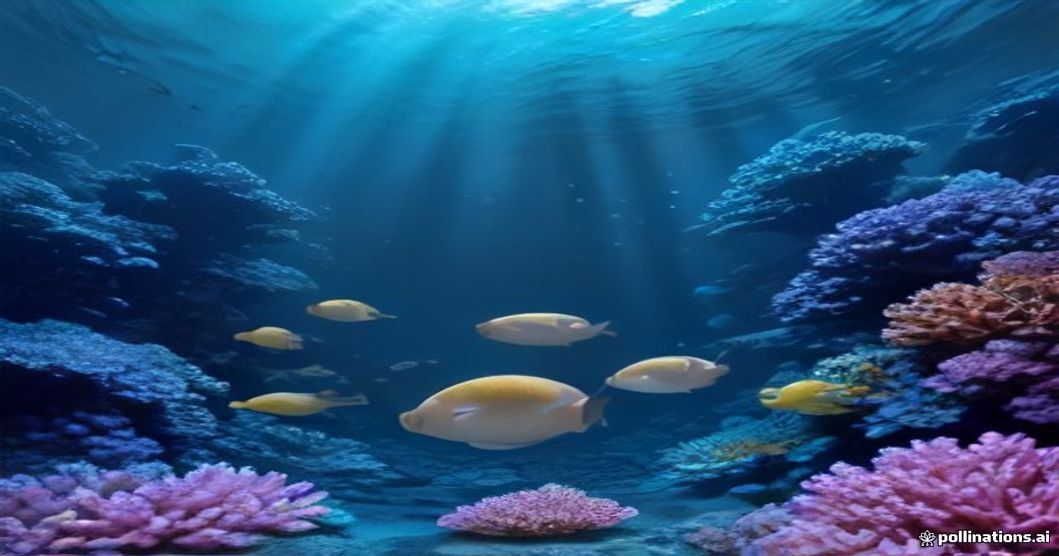
Introduction to the Rainbow Variola
The Rainbow Variola (Variola louti), often celebrated for its stunning coloration, is a fascinating and majestic species of marine fish belonging to the grouper family (Serranidae). Thriving in the warm, crystal-clear waters of tropical and subtropical regions, this magnificent creature is a true highlight for marine biologists, scuba divers, and advanced aquarium enthusiasts alike.
Habitat and Distribution
These striking fish are primarily native to the Indo-Pacific region, where they make their homes among complex coral reefs and rocky drop-offs. While scientific surveys have documented the Rainbow Variola at impressive depths of up to 300 meters (nearly 1,000 feet), the vast majority of encounters with this species occur much closer to the surface, typically in shallower coastal waters ranging from 10 to 100 meters deep, where sunlight brilliantly illuminates their kaleidoscopic scales.
Diet and Hunting Behavior
As opportunistic carnivores and apex predators of their micro-habitats, Rainbow Variolas play a crucial ecological role in maintaining the balance of reef ecosystems. Their diet primarily consists of smaller reef fish and various crustaceans, such as crabs and shrimp. Utilizing their large mouths and acute eyesight, they patiently stalk or ambush their prey with remarkable speed and precision.
Physical Characteristics and Care Insights
Adult Rainbow Variolas are robust swimmers, capable of reaching lengths of up to 80 centimeters (approximately 31 inches). Their namesake coloration features a breathtaking blend of vibrant reds, pinks, and yellows, overlaid with a dazzling pattern of blue spots. Due to their ultimate size, predatory nature, and high bioload, maintaining a Rainbow Variola requires specialized veterinary knowledge, expansive marine aquarium setups, and meticulous water quality management to ensure optimal health and longevity in captivity.