
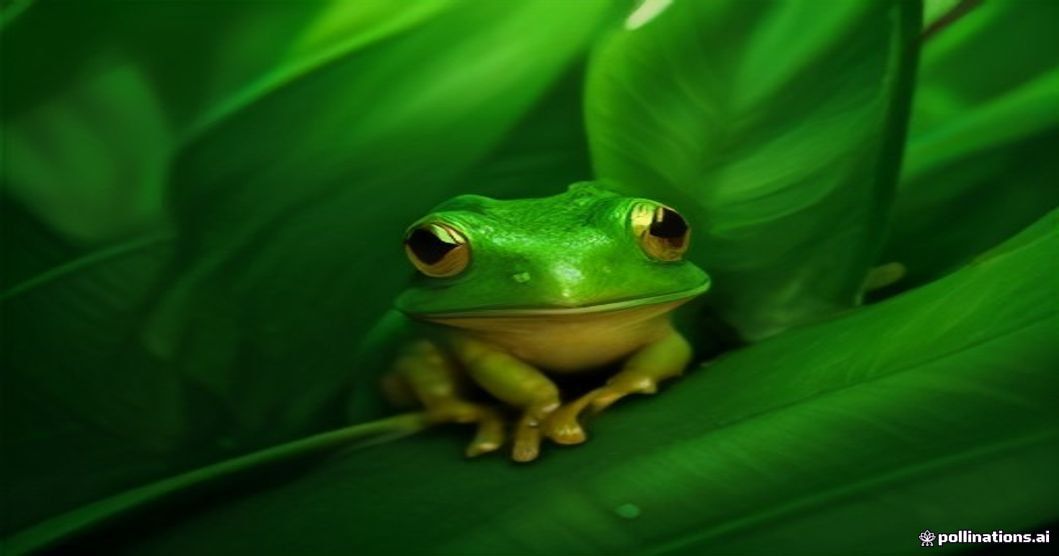
Introduction to Malaysia’s Arboreal Jewels
Deep within the lush, humid rainforests of Malaysia lies a vibrant and hidden ecosystem, home to some of the most extraordinary amphibians on the planet. Among them, Malaysian leaf frogs capture the imagination of herpetologists, pet enthusiasts, and wildlife lovers alike. With their remarkable camouflage and unique physiological traits, these arboreal creatures are true masters of survival in one of the world’s most biodiverse environments.
Understanding Leaf Frog Biology and Behavior
Leaf frogs belong primarily to the family Rhacophoridae, often recognized as Asian tree frogs. Their physical adaptations are nothing short of evolutionary marvels. Most species feature slender bodies, oversized toe pads equipped with specialized sticky glands, and webbing that aids in gliding from tree to tree. Their striking coloration—often ranging from vibrant neon greens to mottled browns—allows them to blend seamlessly into foliage, protecting them from avian and mammalian predators.
Environmental Needs and Conservation Status
In their native Malaysian habitat, these frogs thrive in high-humidity microclimates near rainforest streams and canopy foliage. However, like many tropical amphibians, Malaysian leaf frogs face mounting pressures from habitat fragmentation, deforestation, and the illegal pet trade. Maintaining high standards of humidity, temperature control, and biosecurity is essential for researchers and specialized keepers dedicated to understanding and preserving these sensitive species.
Conclusion: Appreciating Amphibian Biodiversity
Leaf frogs serve as vital bioindicators for the health of Malaysian rainforest ecosystems. Their presence—or absence—tells scientists a great deal about environmental quality and climate shifts. By fostering greater awareness and supporting ethical conservation initiatives, we can ensure that these remarkable canopy-dwellers continue to leap and thrive in their natural tropical homes for generations to come.