
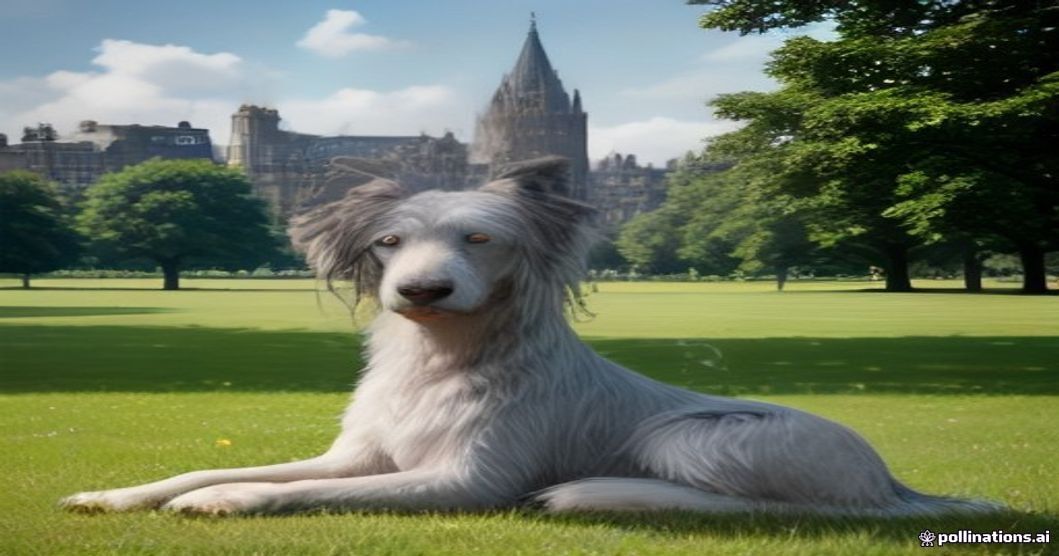
Towering over the vibrant heart of Edinburgh, Scotland, the Scott Monument stands as one of the world’s most intricate and recognizable Gothic tributes to a literary figure. Dedicated to Sir Walter Scott, this Victorian masterpiece in Princes Street Gardens draws thousands of visitors each year. Yet, beyond its soaring spires and ornate masonry lies a detail deeply meaningful to pet lovers and veterinary professionals alike: carved directly beneath the author’s likeness is his beloved Scottish Deerhound cross, Maida. The monument serves not only as a testament to romantic literature, but as an eternal symbol of the human-animal bond.
The Canine Behind the Legend: Sir Walter Scott and Maida
Sir Walter Scott was renowned for his profound affection for animals, maintaining a menagerie of dogs that accompanied him across his estate at Abbotsford. Maida, gifted to Scott by the Macdonell of Glengarry, was widely celebrated for his stately devotion, gentle disposition, and athletic grace. In art and stone, Maida represents the classic sighthound demeanor: regal and watchful, yet profoundly connected to his human guardian. This historical relationship highlights how dogs have served as emotional cornerstones, creative muses, and family members across centuries.
Breed Insights: The Scottish Deerhound Profile
To understand Maida is to understand the majestic heritage of the Scottish Deerhound, often referred to as the ‘Royal Dog of Scotland.’ Bred primarily to course red deer through the rugged Highlands, these dogs possess a distinctive anatomical profile characterized by deep chests, lean musculoskeletal frames, rough weather-resistant double coats, and immense aerobic endurance. Despite their formidable size and athletic capabilities in open terrain, Deerhounds are celebrated in companion animal medicine for their quiet, sensitive, and profoundly calm indoor temperaments.
Veterinary Health Considerations for Sighthounds
Caring for giant sighthounds like the Scottish Deerhound requires tailored clinical awareness. Due to their deep-chested conformation, these breeds carry an elevated risk for Gastric Dilatation-Volvulus (GDV or bloat), a life-threatening medical emergency requiring prompt intervention or preventive measures such as prophylactic gastropexy. Additionally, sighthounds present unique physiological traits that veterinarians monitor closely: lean muscle mass and low body fat alter the pharmacokinetics of certain anesthetic agents, while their baseline hematology often reveals higher red blood cell counts and lower platelet thresholds compared to other canines. Cardiomyopathy and bone health are also focal points of routine wellness screenings throughout their adult lives.
Navigating Edinburgh and Historic Landscapes with Your Dog
For modern dog owners strolling past the Scott Monument along Princes Street Gardens, Edinburgh presents an exceptionally dog-friendly yet bustling urban terrain. When walking dogs around historic landmarks, pet owners should remain mindful of physical wellness. Cobblestones and stone paving can be abrasive on paw pads, particularly in cold, wet Scottish winters or humid summer months. Maintaining strict leash etiquette around steep monuments and high-traffic zones safeguards both your companion and the historic environment. Ensuring adequate hydration, supportive joint care for larger breeds navigating historical staircases, and positive social reinforcement ensures that modern canine companions enjoy Scotland’s rich cultural landmarks just as comfortably as Maida once did.