
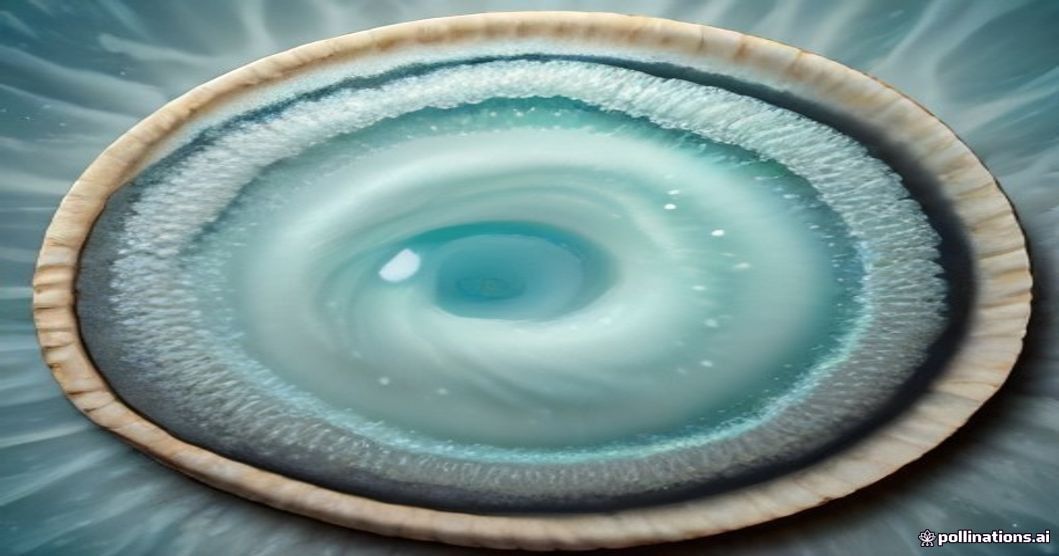
In 2006, marine researchers dredging off the coast of northern Iceland collected an unassuming specimen of the ocean quahog (Arctica islandica). What appeared to be a standard edible clam soon made global scientific headlines. Initially estimated to be 405 years old, advanced carbon dating and microscopic sclerochronological analysis later confirmed a staggering reality: the animal was approximately 507 years old. Dubbed ‘Ming’ because its life began during China’s Ming dynasty around 1499, this bivalve mollusk officially became the oldest known non-colonial animal ever documented.
The Phenomenon of Negligible Senescence
In veterinary medicine and comparative gerontology, Ming represents one of the most fascinating examples of negligible senescence—a biological state where an organism shows virtually no increase in mortality rate or physiological decline with advancing age. While mammals and typical companion animals experience progressive cellular degradation, the cells of Arctica islandica exhibit extraordinary resistance to oxidative damage. Studies into ocean quahog biology show that their proteins and nucleic acids remain exceptionally stable, supported by highly active antioxidant defenses and specialized cellular maintenance mechanisms that protect tissues over centuries.
Sclerochronology: Reading Nature’s Rings
Determining Ming’s precise age required the scientific discipline of sclerochronology, which mirrors dendrochronology in trees. As the clam feeds on phytoplankton and filters cold Atlantic seawater, it secretes calcium carbonate onto its shell margin in alternating seasonal bands. In juvenile stages, these bands are wide and pronounced, gradually condensing into microscopic increments as maturity slows somatic growth. Counting these micro-growth rings beneath high-magnification microscopy not only unlocked Ming’s true lifespan, but also turned the shell into an unbroken chronological archive of marine history.
Living Archives of Ocean and Environmental Health
Beyond the marvel of individual lifespan, Ming provided a priceless baseline for aquatic toxicology and ocean health. Because bivalves incorporate isotopes and trace elements from their immediate environment directly into their crystalline shell lattice, Ming lived as an environmental sentinel across five centuries. Chemical profiles within Ming’s shell continue to shed light on industrialization, historical changes in North Atlantic sea-surface temperatures, salinity fluctuations, and shifts in marine productivity from the Little Ice Age to modern anthropogenic climate change.
Translational Insights for Animal Care and Longevity
While companion animals such as dogs and cats have lifespans dictated by distinct metabolic regimes, comparative biological studies on species like Arctica islandica provide foundational clues for modern veterinary science. Understanding how cold-water invertebrates suppress cellular oxidation, maintain mitochondrial integrity, and resist neoplastic diseases informs ongoing clinical research into longevity, chronic inflammatory management, and healthy aging across the animal kingdom. Ming’s remarkable five-century journey stands as a powerful testament to the resilient biological marvels quietly thriving beneath our oceans.