
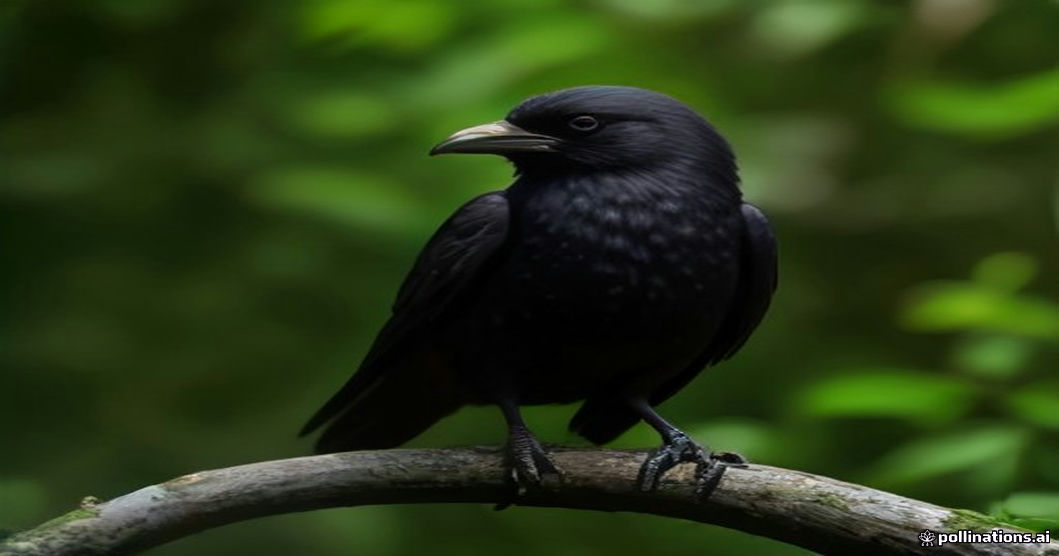
Unlocking the Avian Mind
For centuries, human intelligence was viewed as something entirely separate from the rest of the animal kingdom. However, modern behavioral research has shattered this assumption, particularly when it comes to our feathered friends. Birds are proving to be remarkably sophisticated, displaying cognitive abilities that rival those of many mammals.
Mastering the Art of Tool Use
Once thought to be a defining characteristic exclusive to primates, tool use is now well-documented across several avian species. From New Caledonian crows crafting intricate probing sticks to extract grubs from tree bark, to herons using pieces of bread as bait to catch fish, birds consistently demonstrate an advanced understanding of cause and effect. As veterinarians and animal behaviorists observe these practices, our appreciation for avian neurology continues to grow deeper.
Cooperative Hunting Across Species Lines
Perhaps even more fascinating than individual problem-solving is the ability of some birds to engage in cooperative hunting with entirely different species. Field observations have documented remarkable partnerships, such as certain raptor species teaming up with coyotes or other birds to flush out and capture prey. This interspecies collaboration highlights a high level of social intelligence, communication, and strategic planning.
Enriching the Lives of Our Feathered Companions
Understanding the vast intellectual capacity of birds has direct implications for pet owners and aviculturists. Because companion birds like parrots and corvids possess such complex minds, traditional enclosures and a lack of mental stimulation can lead to severe stress, boredom, and behavioral issues. Providing puzzle feeders, foraging opportunities, and regular social interaction is no longer just a luxury—it is a vital component of holistic avian veterinary care.