
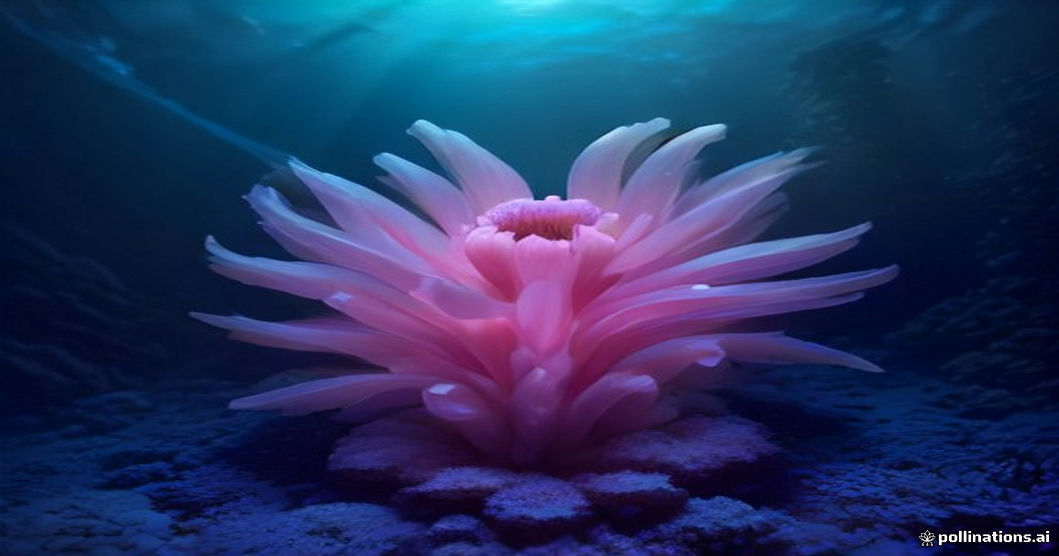
Introduction to the Mysterious Tube Anemone
Often mistaken for their cousins in the Actiniaria order, Ceriantharia, commonly known as tube-dwelling anemones, represent one of the most fascinating spectacles in the marine world. These solitary anthozoans are not just visual marvels but are architectural geniuses of the seabed, living most of their lives encased in a protective, self-made sanctuary.
Engineering a Fortress: The Role of Ptychocysts
The most defining characteristic of Ceriantharia is their remarkable tube. Unlike other anemones that might attach to rocks, the tube anemone burrows into soft sediment. This home is constructed using specialized cnidocytes called ptychocysts. These cells release long, sticky threads that entwine with sand, mud, and shell fragments to create a flexible, leathery tube that can extend deep into the substrate, providing a secure refuge from predators.
A Two-Tiered Hunting Strategy
Above the surface of the sediment, only the colorful crown of tentacles is visible. Ceriantharia possess two distinct rings of tentacles with specialized functions. The long, outer tentacles act as a net, stinging and capturing small crustaceans and plankton. Once the prey is immobilized, the shorter, inner tentacles take over, efficiently moving the food toward the central mouth. This dual-ring system ensures maximum efficiency in the nutrient-scarce marine environment.
Survival Instincts and Rapid Retreat
Despite their delicate appearance, tube-dwelling anemones are highly responsive to their surroundings. When threatened by a predator or a sudden change in water pressure, the animal utilizes its muscular column to quickly retract its entire body into the depths of its tube. This lightning-fast retreat is a primary defense mechanism, leaving nothing but an empty-looking hole in the sand to frustrate any would-be attacker.
Expert Advice for the Marine Aquarist
From a professional pet care perspective, keeping Ceriantharia requires specific environmental parameters. Aquarists must provide a deep sand bed of at least four to six inches to accommodate their burrowing nature. They thrive with moderate water flow and supplementary feedings of mysis shrimp or high-quality marine plankton. While beautiful, their stinging cells are potent, so placement away from sensitive corals is essential for a healthy reef community.