
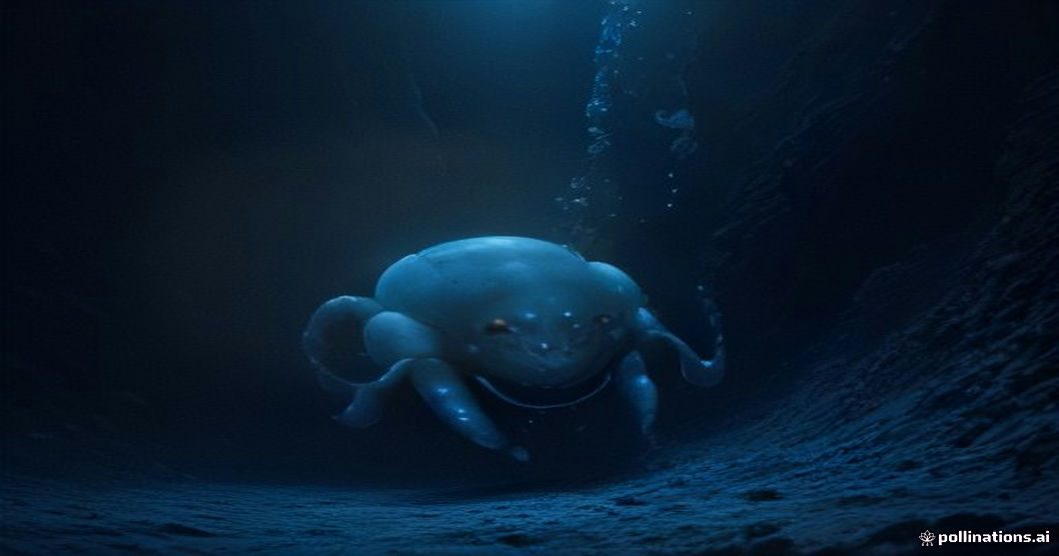
Introduction to the Deep-Sea Giant
In the mysterious and crushing depths of our planet’s oceans lies a world few creatures can endure. Among the most fascinating inhabitants of this extreme environment is the giant amphipod, scientifically known as Alicella gigantea. Reaching astounding lengths of up to 34 centimeters, this deep-sea crustacean redefines our understanding of survival in the abyss.
The Phenomenon of Deep-Sea Gigantism
Found dwelling at depths of nearly 9 kilometers, Alicella gigantea thrives in conditions where hydrostatic pressure is hundreds of times greater than at sea level, and temperatures hover just above freezing. This species is a striking and textbook example of deep-sea gigantism—an evolutionary phenomenon where certain invertebrates and other marine animals grow significantly larger than their shallow-water relatives.
Anatomy and Survival Adaptations
How does a crustacean of this size survive in such a harsh habitat? Scientists believe that the high pressure, combined with cold temperatures and limited food availability, contributes to slower metabolic rates and extended lifespans, allowing these animals to reach such impressive proportions. While they may not be traditional household pets, understanding these resilient creatures expands our broader knowledge of animal physiology, extremophiles, and the incredible diversity of life on Earth.