
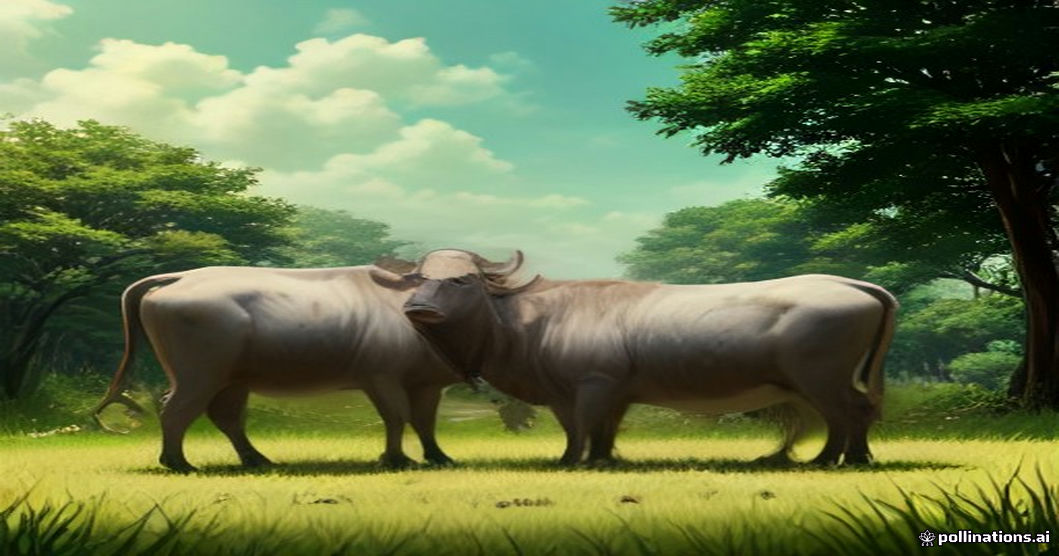
When we look at the distinctive silhouette of the zebu cattle, the most prominent feature that catches the eye is undoubtedly the large hump resting squarely on their shoulders. While many casual observers assume this anatomical wonder is merely a stylistic quirk of nature, experienced veterinarians and livestock experts know it plays a vital, life-sustaining role in the animal’s overall health and survival.
More Than Just a Storage Unit: The True Purpose of Zebu Fat
Unlike the popular myth that camels store water in their humps, the zebu’s hump is actually a specialized deposit of adipose tissue—commonly known as fat. From an animal health perspective, this concentrated energy reserve is an evolutionary masterpiece. During periods of severe drought, seasonal changes, or food scarcity, the zebu can metabolize the stored fat within this hump to sustain vital metabolic functions and maintain basic energy requirements when forage is dangerously scarce.
Beating the Heat: Thermoregulation and Climate Resilience
Beyond acting as an internal pantry, the hump serves a critical physiological function in thermoregulation. Zebu cattle (Bos indicus) are native to tropical and subtropical regions where blistering temperatures are a daily reality. The unique distribution of fat in the hump helps dissipate body heat more efficiently than a uniform layer of subcutaneous fat across the entire body. Combined with their loose, heat-reflective skin and efficient sweat glands, this anatomical adaptation allows zebus to thrive comfortably under the scorching sun where other cattle breeds would struggle with heat stress.
Veterinary Insights on Zebu Health and Care
For modern livestock producers and veterinarians, the condition of a zebu’s hump serves as an important visual indicator of overall health and nutritional status. A firm, well-proportioned hump typically reflects a well-nourished animal in optimal condition, while a rapidly shrinking or drooping hump can be an early warning sign of malnutrition, chronic illness, or severe parasitic burden. Understanding and appreciating these unique physiological traits enables caretakers to provide superior husbandry and ensure these resilient, magnificent animals lead healthy, thriving lives.