
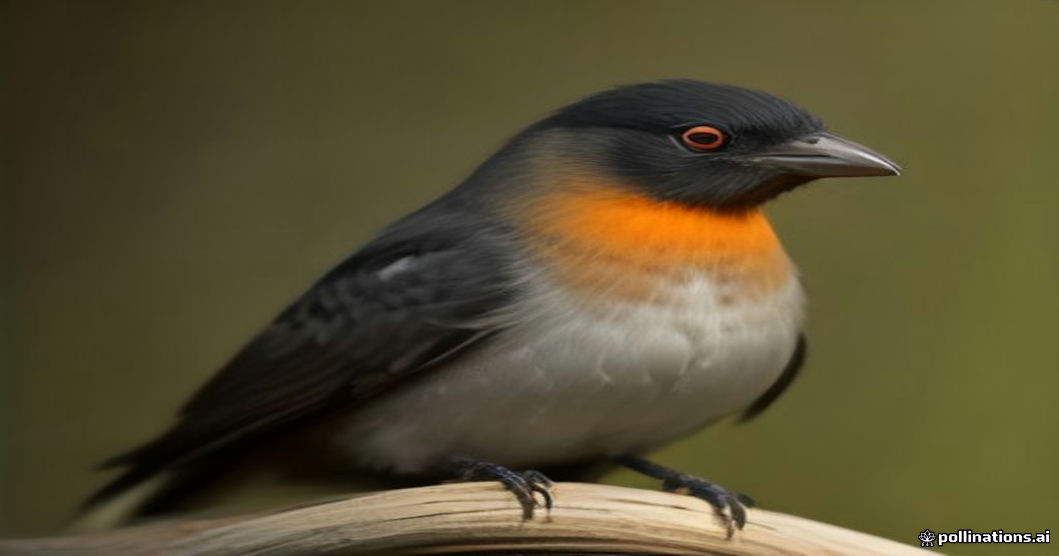
Introduction to the Black-capped Donacobius
The Black-capped Donacobius (Donacobius atricapilla) is a captivating resident of South America’s vibrant wetlands. Measuring approximately 23 centimeters in length, this remarkable bird is easily recognized by its distinctive coloration, featuring a sleek black head, warm brown upperparts and tail, a vibrant orange-yellow underbody, and piercing orange eyes that give it a truly unique expression.
Habitat and Geographic Range
Thriving primarily in the lush marshes, swamps, and wetland edges of eastern Panama, extending down through Bolivia and into northern Argentina, the Black-capped Donacobius is uniquely adapted to aquatic environments. These wetland habitats provide both the dense vegetation needed for nesting and an abundant supply of its primary food source: insects.
Social Structure and Family Dynamics
Unlike many other avian species, Black-capped Donacobiuses form lifelong pairs that defend specific territories. They are frequently observed perched together on branches, engaging in synchronized displays that include loud, complex duets and expressive tail-wagging to deter intruders. Their family life is equally fascinating; adult offspring often remain with their parents temporarily to help raise subsequent broods, showcasing a cooperative breeding system that ensures the survival of their young.
Vocalizations and Communication
Renowned for their remarkable vocal abilities, these birds produce loud, far-carrying songs that serve a dual purpose: defending their established territory and attracting potential mates. Their acoustic presence is a defining characteristic of the South American wetlands they call home.