
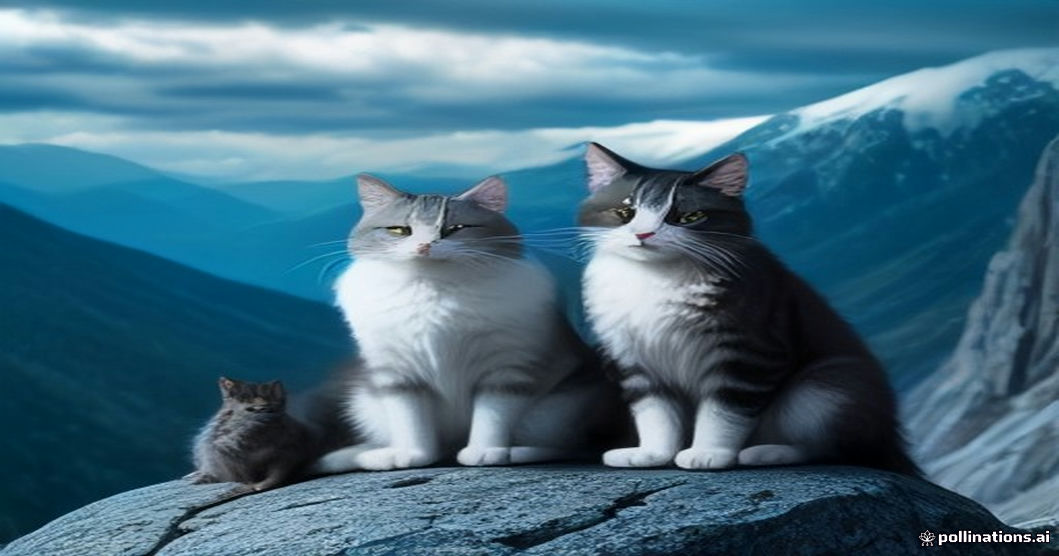
If you have ever spent even a few minutes observing the enigmatic Pallas’s cat, scientifically known as Otocolobus manul, you will quickly realize one absolute truth: these wild felines never get boring. From their unique, perpetually grumpy facial expressions to their fascinating evolutionary adaptations for high-altitude survival, the manul captivates animal lovers and researchers alike.
The Masters of Disguise and Expression
One of the most endearing and entertaining traits of the Pallas’s cat is its remarkably expressive face. Unlike domestic cats with sleek, athletic features, manuls possess flattened faces, low-set ears, and round pupils that give them a perpetually disgruntled, bewildered, or deeply judgmental look. This comical appearance has made them internet sensations, but beneath the amusing exterior lies a sophisticated evolutionary masterpiece.
Adapted for Extreme Environments
Native to the cold, arid steppes and mountainous regions of Central Asia, the Pallas’s cat is equipped with the densest fur of any cat species on Earth. This heavy coat protects them from biting winds and sub-zero temperatures. Their stocky bodies and short legs are perfectly designed for stalking prey across rocky terrain and deep snow, showcasing nature’s brilliance in wildlife adaptation.
A Solitary and Elusive Nature
In veterinary and conservation circles, the manul remains a subject of intense study and admiration. Because they are notoriously difficult to breed and maintain in human care due to specialized immune and dietary needs, every successful conservation effort is a testament to dedicated animal health professionals. Their solitary, stealthy hunting habits remind us of the untamed, mysterious beauty that still exists in our world’s most remote ecosystems.