
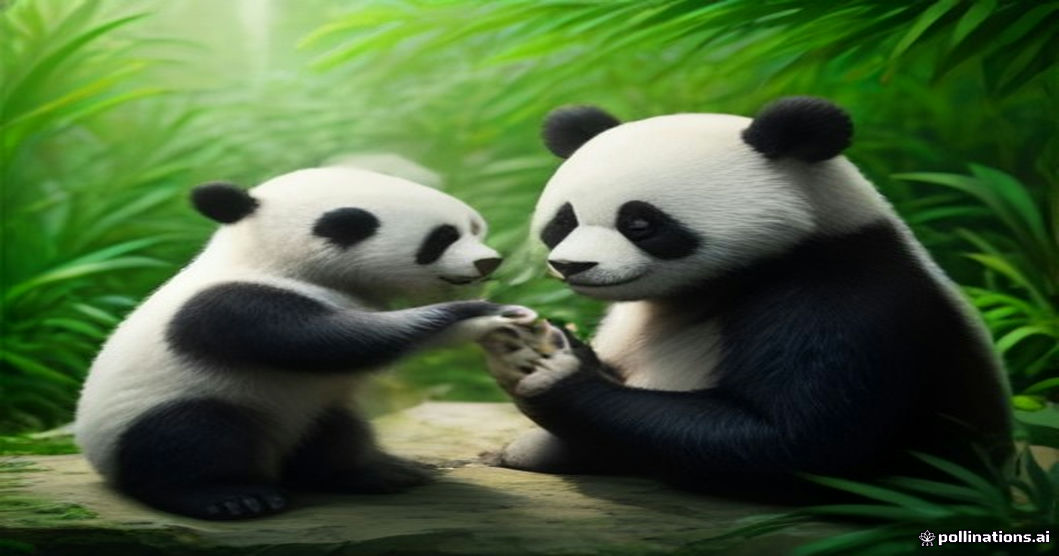
When we visit modern zoological institutions, our eyes are naturally drawn to the majestic pandas, elusive snow leopards, and vibrant golden snub-nosed monkeys. However, the true heartbeat of any successful wildlife park lies with its dedicated caretakers. The profession of the Chinese zookeeper has evolved dramatically over the past few decades, shifting from basic husbandry to sophisticated, science-based animal welfare management.
The Evolution of Animal Husbandry in China
Historically, zookeeping in China was primarily focused on basic feeding, cleaning, and public exhibition. Today, however, Chinese zookeepers are recognized as essential wildlife professionals. Many hold degrees in veterinary medicine, zoology, or biology. They undergo rigorous training in animal psychology, nutritional science, and crisis management, ensuring that every species under their care receives world-class attention tailored to its specific ecological needs.
Enrichment and Behavioral Health
A critical responsibility of the modern Chinese zookeeper is environmental and psychological enrichment. Animals in captivity can easily succumb to boredom and stress. To combat this, zookeepers design intricate puzzle feeders, introduce novel scents, and create dynamic territorial changes that encourage natural foraging and hunting behaviors. For highly intelligent species like Asian elephants and giant pandas, this mental stimulation is just as vital as a balanced diet.
Bridging Conservation and Public Education
Beyond their daily hands-on care, Chinese zookeepers serve as frontline ambassadors for global conservation. They actively participate in endangered species breeding programs, gather crucial observational data for researchers, and educate the public on the importance of biodiversity. Through daily interactions and keeper talks, they inspire millions of visitors to appreciate wildlife and support habitat preservation efforts worldwide, proving that modern zookeeping is a profound commitment to the future of our planet’s most vulnerable creatures.