
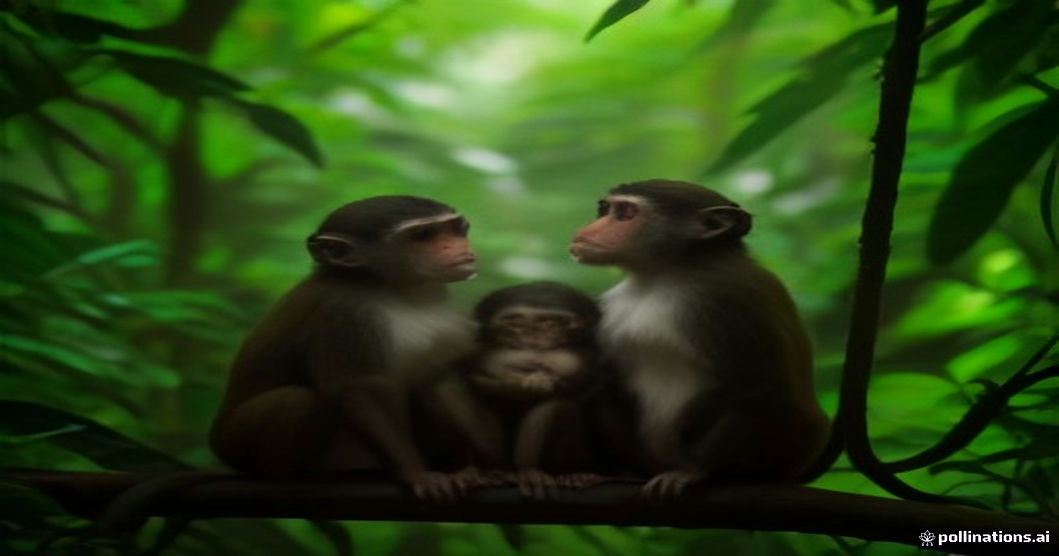
Introduction to Primate Social Dynamics
In the fascinating world of ethology and animal behavior, few species exhibit social complexities as intricate as certain monkey species. Beyond simple troop living, these intelligent animals navigate multifaceted societies that require high levels of cognitive function, emotional intelligence, and strategic relationship-building.
The Multi-Male and Multi-Female Troop Structure
Unlike species that live in strictly solitary environments or single-male harems, many advanced primate groups feature a multi-male, multi-female dynamic. This diverse social fabric allows for a broader gene pool, enhanced collective defense against predators, and shared responsibilities in rearing the young. Every member of the troop plays a specific role, contributing to the overall harmony and survival of the community.
The Art of Alliance Formation
Perhaps the most compelling aspect of their social structure is the formation of strategic alliances. To maintain or improve their standing within the strict social hierarchy, individuals frequently forge coalitions. These bonds are not merely casual; they require reciprocal grooming, shared defense, and mutual support during conflicts. By working together, lower-ranking members can successfully challenge dominant individuals, proving that diplomacy and teamwork are powerful tools in the animal kingdom.
Implications for Animal Welfare and Behavioral Science
Understanding these sophisticated social structures is crucial for veterinarians, behaviorists, and wildlife conservationists. When these primates are studied in their natural habitats or cared for in specialized sanctuary environments, recognizing their need for complex social stimulation is paramount. Promoting healthy social interactions and preventing isolation ensures their psychological well-being and mirrors the natural resilience seen in the wild.