A Royal Introduction: Veterinary Care and Trust-Building for Regal Canine Companions
First Impressions: The Crucial First Meeting Every veterinary journey begins with a foundational first introduction. When a client walks into a clinic introducing a magnificent, dignified dog—perhaps aptly named ‘Tsar’—the interaction sets the tone for a lifetime of low-stress healthcare. For noble, deep-chested, or sensitive breeds such as the Borzoi (the historic hound of the […]
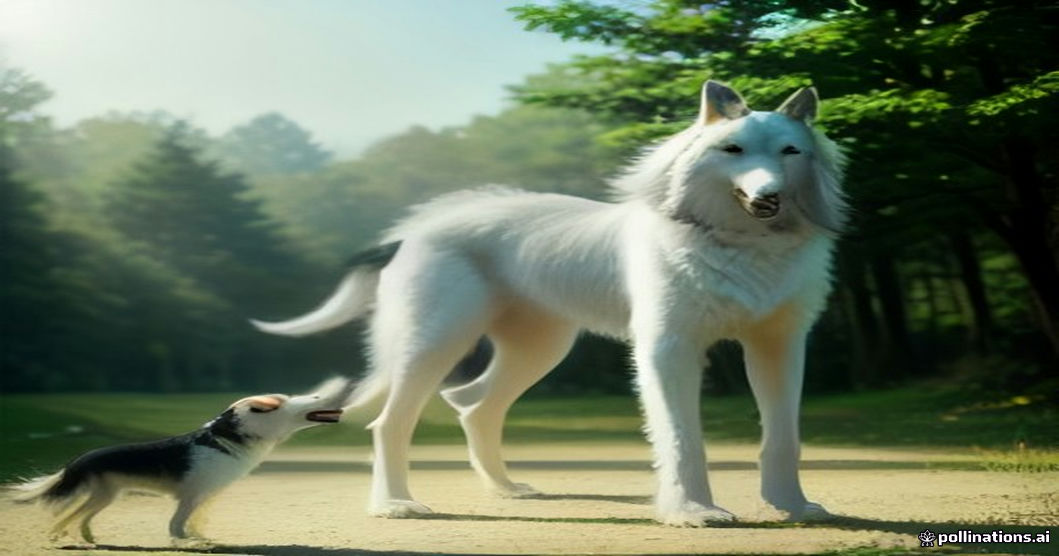
First Impressions: The Crucial First Meeting
Every veterinary journey begins with a foundational first introduction. When a client walks into a clinic introducing a magnificent, dignified dog—perhaps aptly named ‘Tsar’—the interaction sets the tone for a lifetime of low-stress healthcare. For noble, deep-chested, or sensitive breeds such as the Borzoi (the historic hound of the Russian Tsars), Irish Wolfhounds, or Salukis, this initial encounter requires an intentional, gentle approach. Dogs can perceive subtle cues in body language and voice, making a calm, respectful greeting essential for establishing mutual trust.
Understanding the Aristocratic Demeanor of Sighthounds
Breeds historically favored by royalty often possess specialized physiological and behavioral profiles. Sighthounds and majestic large breeds tend to be reserved, highly observant, and inherently sensitive to rapid changes in their environment. Rather than an abrupt approach, veterinary professionals prioritize passive socialization. Allowing the animal to initiate contact, offering high-value rewards, and avoiding prolonged direct eye contact during the initial minutes helps ease anxiety and prevents the development of white-coat syndrome.
Anesthesia Sensitivity and Specialized Pharmacology
Caring for regal sighthounds like Borzois and Greyhounds involves distinct veterinary pharmacology considerations. Due to their lean body mass, minimal adipose tissue, and altered hepatic metabolism (specifically differences in cytochrome P450 enzymes), these breeds metabolize certain anesthetic agents—especially older barbiturates—much more slowly than typical canines. Modern veterinary protocols utilize tailored protocols featuring propofol, isoflurane, or sevoflurane, combined with vigilant body temperature monitoring, as their thin coats and low fat reserves make them prone to hypothermia under sedation.
Preventative Health: Mitigating Bloat and Orthopedic Concerns
Large, deep-chested noble breeds are statistically predisposed to Gastric Dilatation-Volvulus (GDV), commonly referred to as bloat. This life-threatening condition occurs when the stomach rapidly fills with gas and twists. Prophylactic gastropexy—often performed electively during routine sterilization—is highly recommended to physically anchor the stomach to the abdominal wall. Additionally, pet owners should be educated on the subtle warning signs of bloat: non-productive retching, pacing, abdominal distension, and sudden lethargy.
Fostering a Lifelong Partnership for Optimal Wellness
Transforming a formal introduction into a lasting clinical bond requires consistent partnership between the pet owner and the veterinary team. Regular bi-annual wellness checks, tailored cardiac evaluations, gentle joint supplementation for longevity, and maintaining low-stress handling practices ensure that whether your pet carries the noble heritage of a monarch or simply holds royal status within your family, they enjoy a vibrant, healthy, and dignified life.
Written by Mohammed Murtaja
Editor-in-Chief & Executive Publisher of ZooPulse. Senior investigative journalist directing evidence-based research, veterinary science verification, and editorial governance.
Related Stories
 Health
The Biomechanics of Grace: A Veterinary Perspective on Feline Elegance
In the world of veterinary medicine, elegance is far more than an aesthetic quality; it is a profound indicator of musculoskeletal health, neurological coordination, and evolutionary perfection. When we observe the fluid motion of a cat or the effortless stride of a sighthound, we are witnessing a complex symphony of anatomy and physiology working in […]
 Health
Mastering the Sting: Avian Ingenuity and Veterinary Insights on Insect Stings in Pets
Nature’s Precision: How Birds Disarm Dangerous Prey In the wild, obtaining a meal often requires overcoming formidable defenses. One of the most remarkable examples of evolutionary specialization is found among specialized avian species, particularly bee-eaters (family Meropidae). These agile flyers routinely hunt bees, wasps, and hornets directly from the air. Before swallowing their potentially lethal […]