The Biomechanics of Grace: A Veterinary Perspective on Feline Elegance
In the world of veterinary medicine, elegance is far more than an aesthetic quality; it is a profound indicator of musculoskeletal health, neurological coordination, and evolutionary perfection. When we observe the fluid motion of a cat or the effortless stride of a sighthound, we are witnessing a complex symphony of anatomy and physiology working in […]
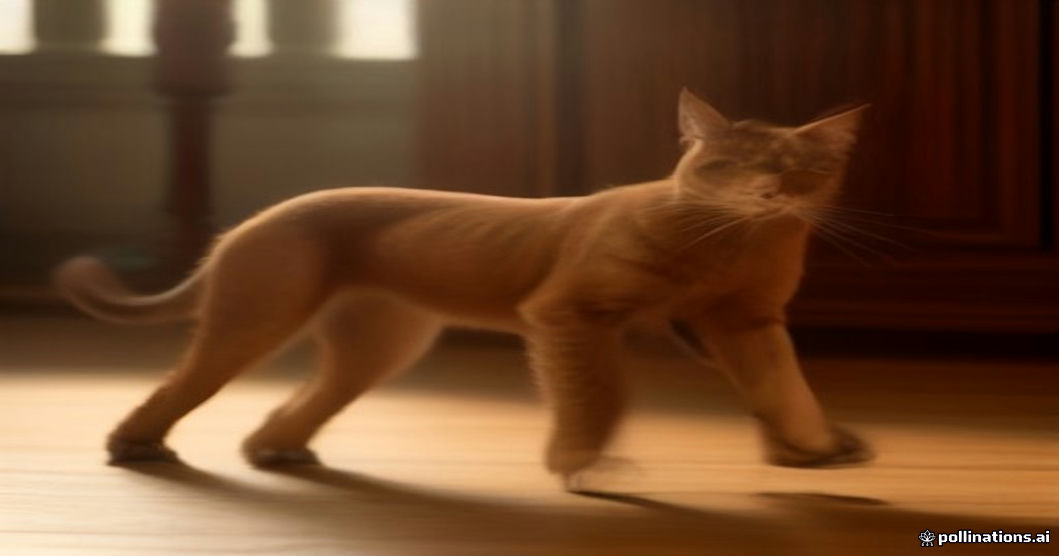
In the world of veterinary medicine, elegance is far more than an aesthetic quality; it is a profound indicator of musculoskeletal health, neurological coordination, and evolutionary perfection. When we observe the fluid motion of a cat or the effortless stride of a sighthound, we are witnessing a complex symphony of anatomy and physiology working in perfect harmony.
The Anatomical Blueprint of Fluidity
The hallmark of feline elegance lies in their unique skeletal structure. Unlike humans, a cat’s collarbones are not connected to other bones but are instead buried in the muscles of the shoulder. This free-floating anatomy allows for an incredibly narrow chest and a wide range of motion, enabling them to squeeze through tight spaces and land with silent precision. Their spine is composed of over 50 vertebrae, significantly more than in humans, providing the flexibility required for high-speed maneuvers and the graceful leaps that define their species.
Neurological Precision and the Vestibular System
Elegance is equally dependent on the internal gyroscope known as the vestibular system. Located in the inner ear, this system allows animals to maintain their orientation in space with millisecond accuracy. This neurological feedback loop, combined with highly developed proprioception—the body’s ability to sense its own position—ensures that every step is placed with intentionality. When a pet moves with grace, it is a sign that their central nervous system is functioning optimally.
Supporting Elegance Through Veterinary Care
As pets age, maintaining this natural elegance requires proactive care. Degenerative joint diseases, such as osteoarthritis, can slowly erode the fluidity of a pet’s movement. Veterinarians emphasize the importance of weight management, as even a slight increase in body fat puts undue stress on the ligaments and joints. Furthermore, a diet rich in Omega-3 fatty acids, glucosamine, and chondroitin can help preserve the integrity of joint cartilage, ensuring that your pet retains their poise well into their senior years.
The Role of Environmental Enrichment
Finally, elegance is nurtured through activity. Physical and mental stimulation are vital for maintaining muscle tone and cognitive sharpness. For cats, vertical space and predatory play allow them to express their natural athletic prowess. For dogs, varied terrain and scent work provide the balanced exercise needed to keep their gait smooth and efficient. By understanding the science behind the elegance, pet owners can better appreciate and support the remarkable physical capabilities of their animal companions.
Written by Mohammed Murtaja
Editor-in-Chief & Executive Publisher of ZooPulse. Senior investigative journalist directing evidence-based research, veterinary science verification, and editorial governance.
Related Stories
 Health
A Royal Introduction: Veterinary Care and Trust-Building for Regal Canine Companions
First Impressions: The Crucial First Meeting Every veterinary journey begins with a foundational first introduction. When a client walks into a clinic introducing a magnificent, dignified dog—perhaps aptly named ‘Tsar’—the interaction sets the tone for a lifetime of low-stress healthcare. For noble, deep-chested, or sensitive breeds such as the Borzoi (the historic hound of the […]
 Health
Mastering the Sting: Avian Ingenuity and Veterinary Insights on Insect Stings in Pets
Nature’s Precision: How Birds Disarm Dangerous Prey In the wild, obtaining a meal often requires overcoming formidable defenses. One of the most remarkable examples of evolutionary specialization is found among specialized avian species, particularly bee-eaters (family Meropidae). These agile flyers routinely hunt bees, wasps, and hornets directly from the air. Before swallowing their potentially lethal […]