Arctic Wellness: Lessons in Pet Cold-Weather Safety from the Shores of Jökulsárlón
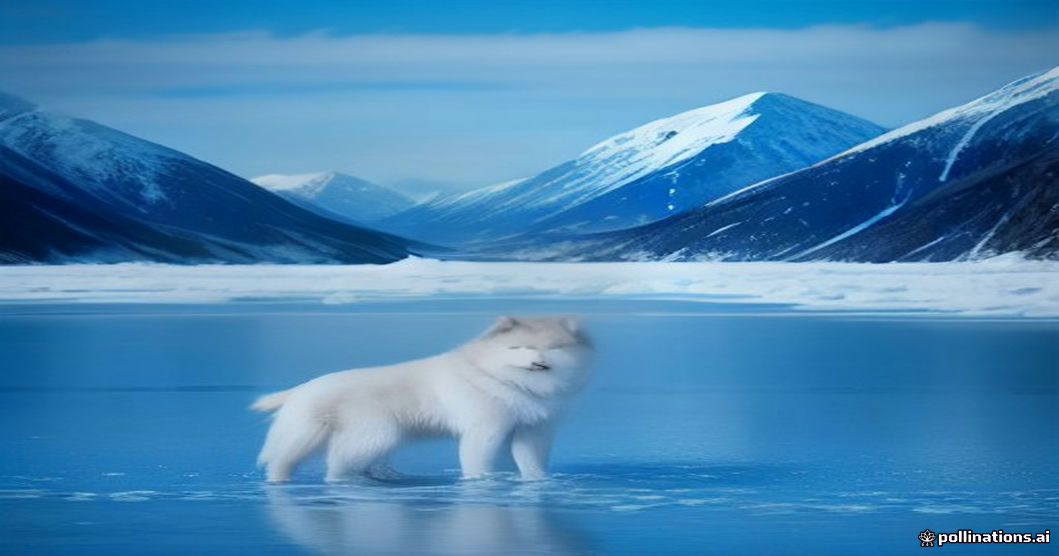
The Glacial Standard for Pet Care Jökulsárlón is the largest glacial lagoon in Iceland, a place where majestic icebergs drift through freezing waters. While this landscape is a marvel of nature, it serves as a critical reminder for pet owners: extreme cold requires specialized care. As a veterinarian, I often look to these sub-arctic environments […]
The Glacial Standard for Pet Care
Jökulsárlón is the largest glacial lagoon in Iceland, a place where majestic icebergs drift through freezing waters. While this landscape is a marvel of nature, it serves as a critical reminder for pet owners: extreme cold requires specialized care. As a veterinarian, I often look to these sub-arctic environments to illustrate the risks of hypothermia and frostbite that our domestic animals face during winter months.
Recognizing the Risks of Low Temperatures
Just as the ice of Jökulsárlón remains frozen year-round, your pet’s body can struggle to maintain heat in plummeting temperatures. Hypothermia occurs when a pet’s core temperature falls below safe levels, leading to symptoms such as intense shivering, lethargy, and a weakened pulse. It is essential to monitor your pet’s behavior closely when the thermometer drops, as smaller breeds and senior pets are particularly vulnerable to the chilling effects of the wind and moisture.
Paw Health and the Frozen Ground
The jagged ice and freezing slush found in glacial regions are mirrored in our own driveways and sidewalks during winter. Walking on ice can cause painful cracks in paw pads and expose pets to toxic de-icing salts. To protect your companion, I recommend the application of a medical-grade paw wax or the use of insulated booties. After any walk in icy conditions, always wipe down your pet’s paws with a warm, damp cloth to remove irritating chemicals and ice crystals.
Nutrition and Hydration in the Cold
Maintaining body heat in a cold climate is an energy-intensive process. Pets may require a slight increase in caloric intake during the winter months to provide the fuel necessary for thermoregulation. Furthermore, hydration is often overlooked in winter. Ensuring your pet has access to fresh, liquid water is vital, as dehydration can happen just as easily in the dry cold as it does in the summer heat.
Vignettes of Safety: Knowing When to Stay Indoors
While the beauty of a glacial lagoon is tempting to explore, safety must come first. If it is too cold for you to stand outside comfortably in a light jacket, it is likely too cold for your dog or cat. Limit outdoor excursions during extreme cold snaps, and always provide a warm, draft-free place for your pet to sleep. By following these professional guidelines, you can ensure your pet remains as resilient as the Icelandic landscape.
Written by Mohammed Murtaja
Editor-in-Chief & Executive Publisher of ZooPulse. Senior investigative journalist directing evidence-based research, veterinary science verification, and editorial governance.
Related Stories
 Uncategorized
The Remarkable Jerboa: Nature’s High-Speed Desert Acrobats
Introduction to the Dipodidae Family The jerboa, a member of the Dipodidae family, is a small to medium-sized rodent that has perfected the art of survival in some of the world’s harshest environments. Native to steppes, semi-deserts, and arid deserts, these resilient creatures have fascinated naturalists for centuries. The word “jerboa” itself traces back to […]
 Uncategorized
Mastering the Art of Canine Cleanliness: Insights from a Professional Grooming Lesson
As a veterinarian and pet care advocate, I always emphasize that grooming is much more than just keeping our furry companions looking their best—it is an essential pillar of their overall health and well-being. Recently, I attended an intensive hands-on washing and bathing lesson led by master groomers, and the experience reinforced just how nuanced […]
 Uncategorized
The Majestic Zebrasoma Desjardinii: Nature’s Reef Caretaker
Introduction to the Zebrasoma Desjardinii The Zebrasoma desjardinii, commonly known as the Red Sea Sailfin Tang, is one of the most stunning and beneficial additions to a marine saltwater aquarium. As a prominent member of the surgeonfish family, this magnificent creature combines striking aesthetics with a hardworking attitude towards tank maintenance. Natural Habitat and Algae […]