Avian Architecture and Biology: Getting to Know the Remarkable Hammerkop (Scopus umbretta)
When exploring the diverse and fascinating avian life of the African continent and Madagascar, few species capture the imagination quite like the Hammerkop (Scopus umbretta). Named for its unmistakable silhouette, this medium-sized wading bird features a distinctive head shape created by a heavy, sharp bill and a wide, sweeping rear crest that bears a striking […]
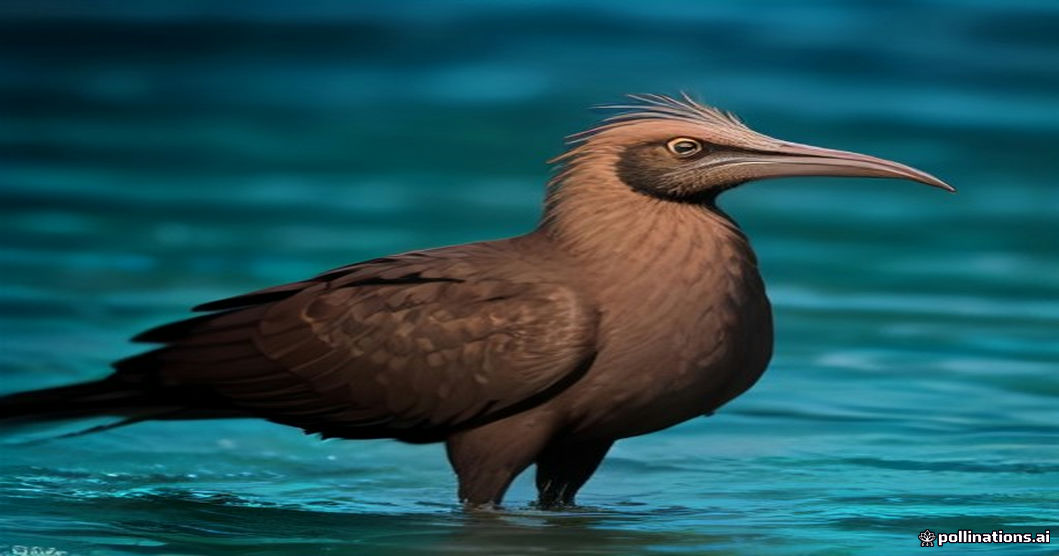
When exploring the diverse and fascinating avian life of the African continent and Madagascar, few species capture the imagination quite like the Hammerkop (Scopus umbretta). Named for its unmistakable silhouette, this medium-sized wading bird features a distinctive head shape created by a heavy, sharp bill and a wide, sweeping rear crest that bears a striking resemblance to a traditional hammer.
Physical Characteristics and Habitat
Both male and female Hammerkops share identical physical traits, sporting a uniform, understated brownish plumage that helps them blend seamlessly into their wetland environments. Their natural geographic range is remarkably vast, spanning across sub-Saharan Africa from Sierra Leone and Sudan down to the southern tip of the continent, as well as extending into Madagascar and parts of the Arabian Peninsula. While they are wild animals, Hammerkops are surprisingly adaptable and are occasionally spotted near human settlements, where some individuals even display a remarkable tolerance for being fed or gently petted by people.
Diet and Nocturnal Foraging Habits
As expert carnivores of the shallows, Hammerkops possess specialized foraging behaviors. Unlike many diurnal wading birds, they frequently hunt at night. Their primary diet consists of small fish, aquatic insects, amphibians, and crustaceans. To flush out hidden prey from the muddy bottoms of rivers, marshes, and lakes, they use their feet to actively disturb the substrate. During the daytime, these birds retreat to specific, favored roosting trees where they rest and process their meals.
Master Builders of the Avian World
Perhaps the most famous attribute of the Hammerkop is its extraordinary nest-building behavior. These birds are master architects, constructing colossal, dome-shaped nests made entirely of sticks, reeds, mud, and various bits of vegetation, typically positioned securely near water bodies or in the forks of large trees. These structures are astonishingly durable and elaborate, often weighing over 50 kilograms. Because of their structural integrity, abandoned or older Hammerkop nests are frequently repurposed by other African wildlife, including owls, monitor lizards, and snakes, making the Hammerkop a cornerstone species in its local ecosystem.
Written by Mohammed Murtaja
Editor-in-Chief & Executive Publisher of ZooPulse. Senior investigative journalist directing evidence-based research, veterinary science verification, and editorial governance.
Related Stories
 Uncategorized
Decoding Pet Communication: Why Validation is Key to Your Animal’s Well-Being
Understanding Your Pet’s Vocalizations As pet parents, we often find ourselves having full-blown conversations with our dogs, cats, and other animal companions. When we respond with phrases like, ‘Yes, honey, you’re absolutely right!’, it might feel like a whimsical human habit, but it actually plays a surprisingly profound role in animal-human bonding. The Science of […]
 Uncategorized
Reflections on the Taiwanese Clouded Leopard: A Ghost of the Forest
Introduction to the Taiwanese Clouded Leopard The Taiwanese clouded leopard (Neofelis nebulosa brachyura) remains one of the most enigmatic and deeply missed subspecies in the realm of wildlife conservation. Once roaming the dense, misty mountain forests of Taiwan, this elusive predator captured the imagination of indigenous peoples and modern biologists alike. Known for its stunning […]
UncategorizedDecoding Your Pet’s Coat: Color Variations and What They Mean for Health
The Marvel of Mammalian Coats As veterinarians and passionate animal advocates, we often marvel at the incredible diversity found in the animal kingdom. Depending on the environment, its fur can range from a reddish-brown to a golden hue, or even a greyish shade. This remarkable adaptability is not just a treat for the eyes; it […]