Decoding Pet Communication: Why Validation is Key to Your Animal’s Well-Being
Understanding Your Pet’s Vocalizations As pet parents, we often find ourselves having full-blown conversations with our dogs, cats, and other animal companions. When we respond with phrases like, ‘Yes, honey, you’re absolutely right!’, it might feel like a whimsical human habit, but it actually plays a surprisingly profound role in animal-human bonding. The Science of […]

Understanding Your Pet’s Vocalizations
As pet parents, we often find ourselves having full-blown conversations with our dogs, cats, and other animal companions. When we respond with phrases like, ‘Yes, honey, you’re absolutely right!’, it might feel like a whimsical human habit, but it actually plays a surprisingly profound role in animal-human bonding.
The Science of Animal Communication
Animals are masters of emotional contagion and vocal tone. While your dog or cat may not understand the specific English vocabulary you are using, they are acutely attuned to your pitch, cadence, and body language. Speaking to them in an affirming, gentle tone releases oxytocin—the ‘bonding hormone’—in both you and your pet, reducing stress and strengthening mutual trust.
Listening Beyond the Words
True pet care goes beyond just talking back; it involves active observation. When your pet ‘talks’ to you through meows, whines, chirps, or barks, they are usually trying to communicate a specific need: hunger, discomfort, anxiety, or simply a desire for attention. Validating their communication by checking their food bowl, offering playtime, or providing a reassuring pat helps them feel secure and understood.
Enhancing Animal Well-Being Through Interaction
Incorporating positive verbal affirmation into your daily routine is a wonderful enrichment tool. By treating your pets as communicative partners, you cultivate a mentally stimulating environment that supports their overall behavioral health. So, the next time your furry friend chimes in with a meow or a woof, go ahead and agree with them—it is good for both of your souls!
Written by Mohammed Murtaja
Editor-in-Chief & Executive Publisher of ZooPulse. Senior investigative journalist directing evidence-based research, veterinary science verification, and editorial governance.
Related Stories
 Uncategorized
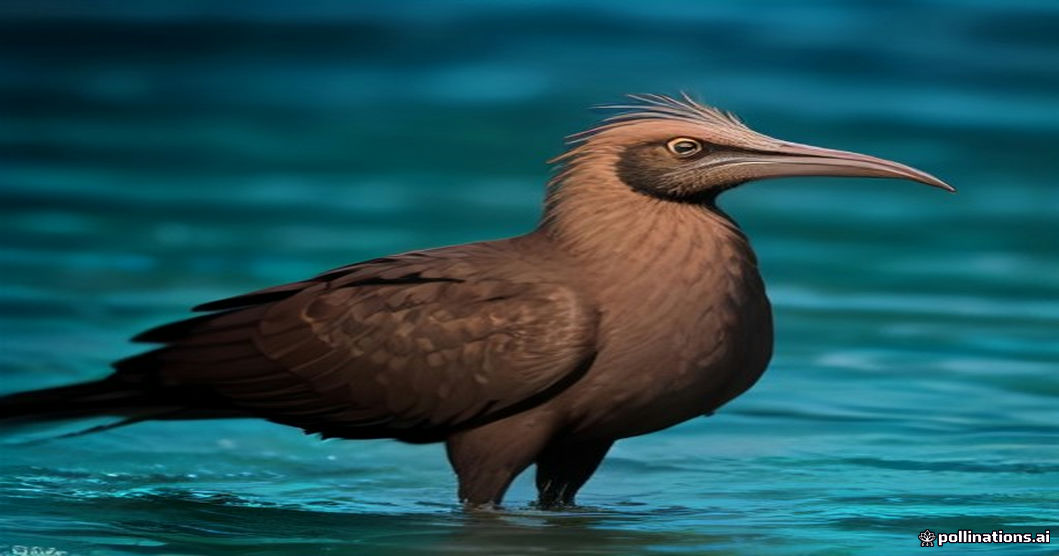
Avian Architecture and Biology: Getting to Know the Remarkable Hammerkop (Scopus umbretta)
When exploring the diverse and fascinating avian life of the African continent and Madagascar, few species capture the imagination quite like the Hammerkop (Scopus umbretta). Named for its unmistakable silhouette, this medium-sized wading bird features a distinctive head shape created by a heavy, sharp bill and a wide, sweeping rear crest that bears a striking […]
 Uncategorized
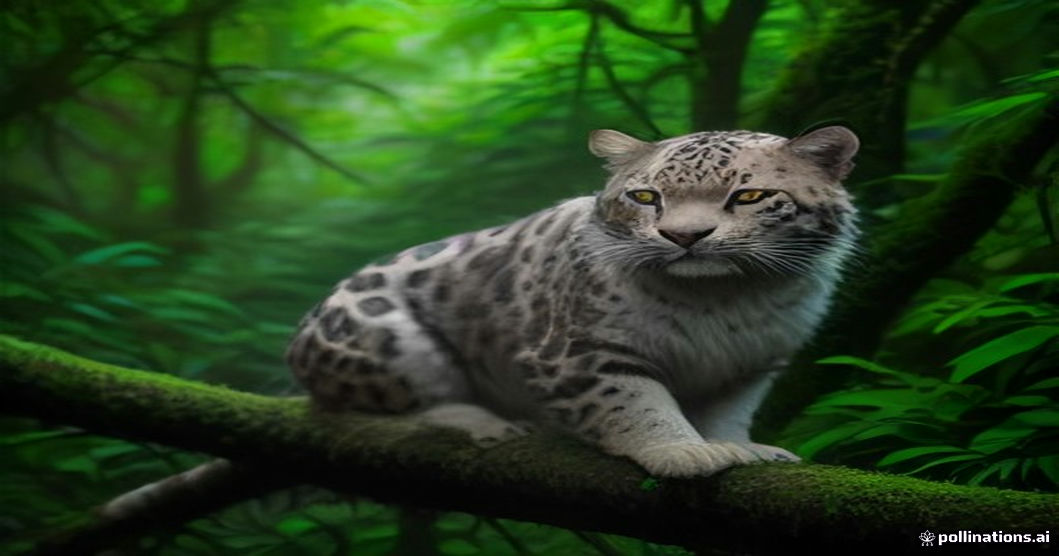
Reflections on the Taiwanese Clouded Leopard: A Ghost of the Forest
Introduction to the Taiwanese Clouded Leopard The Taiwanese clouded leopard (Neofelis nebulosa brachyura) remains one of the most enigmatic and deeply missed subspecies in the realm of wildlife conservation. Once roaming the dense, misty mountain forests of Taiwan, this elusive predator captured the imagination of indigenous peoples and modern biologists alike. Known for its stunning […]
UncategorizedDecoding Your Pet’s Coat: Color Variations and What They Mean for Health
The Marvel of Mammalian Coats As veterinarians and passionate animal advocates, we often marvel at the incredible diversity found in the animal kingdom. Depending on the environment, its fur can range from a reddish-brown to a golden hue, or even a greyish shade. This remarkable adaptability is not just a treat for the eyes; it […]