Complex Societies in the Wild: Understanding Primate Social Structures and Alliance Building
Introduction to Primate Social Dynamics In the fascinating world of ethology and animal behavior, few species exhibit social complexities as intricate as certain monkey species. Beyond simple troop living, these intelligent animals navigate multifaceted societies that require high levels of cognitive function, emotional intelligence, and strategic relationship-building. The Multi-Male and Multi-Female Troop Structure Unlike species […]
Introduction to Primate Social Dynamics
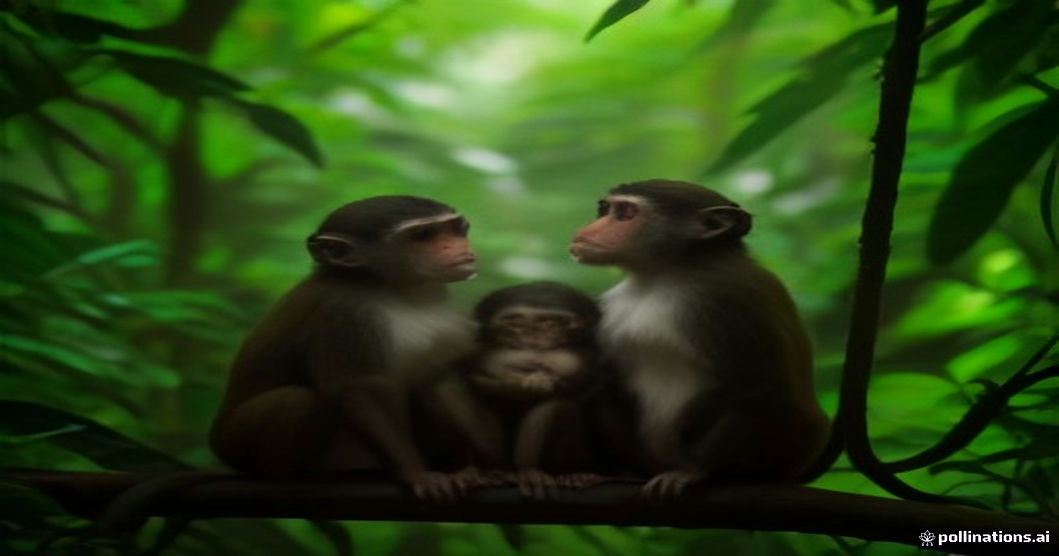
In the fascinating world of ethology and animal behavior, few species exhibit social complexities as intricate as certain monkey species. Beyond simple troop living, these intelligent animals navigate multifaceted societies that require high levels of cognitive function, emotional intelligence, and strategic relationship-building.
The Multi-Male and Multi-Female Troop Structure
Unlike species that live in strictly solitary environments or single-male harems, many advanced primate groups feature a multi-male, multi-female dynamic. This diverse social fabric allows for a broader gene pool, enhanced collective defense against predators, and shared responsibilities in rearing the young. Every member of the troop plays a specific role, contributing to the overall harmony and survival of the community.
The Art of Alliance Formation
Perhaps the most compelling aspect of their social structure is the formation of strategic alliances. To maintain or improve their standing within the strict social hierarchy, individuals frequently forge coalitions. These bonds are not merely casual; they require reciprocal grooming, shared defense, and mutual support during conflicts. By working together, lower-ranking members can successfully challenge dominant individuals, proving that diplomacy and teamwork are powerful tools in the animal kingdom.
Implications for Animal Welfare and Behavioral Science
Understanding these sophisticated social structures is crucial for veterinarians, behaviorists, and wildlife conservationists. When these primates are studied in their natural habitats or cared for in specialized sanctuary environments, recognizing their need for complex social stimulation is paramount. Promoting healthy social interactions and preventing isolation ensures their psychological well-being and mirrors the natural resilience seen in the wild.
Written by Mohammed Murtaja
Editor-in-Chief & Executive Publisher of ZooPulse. Senior investigative journalist directing evidence-based research, veterinary science verification, and editorial governance.
Related Stories
 Animal News
What Are You? Decoding the Mysterious World of Canine and Feline Communication
Introduction: The Age-Old Question As pet care experts and veterinarians, we often find ourselves playing the role of translator between two entirely different species. When we look into our pets’ eyes, we might jokingly ask, ‘What are you? A tiny furry dictator, or a sweet angel?’ But behind this playful question lies a profound truth: […]
 Animal News
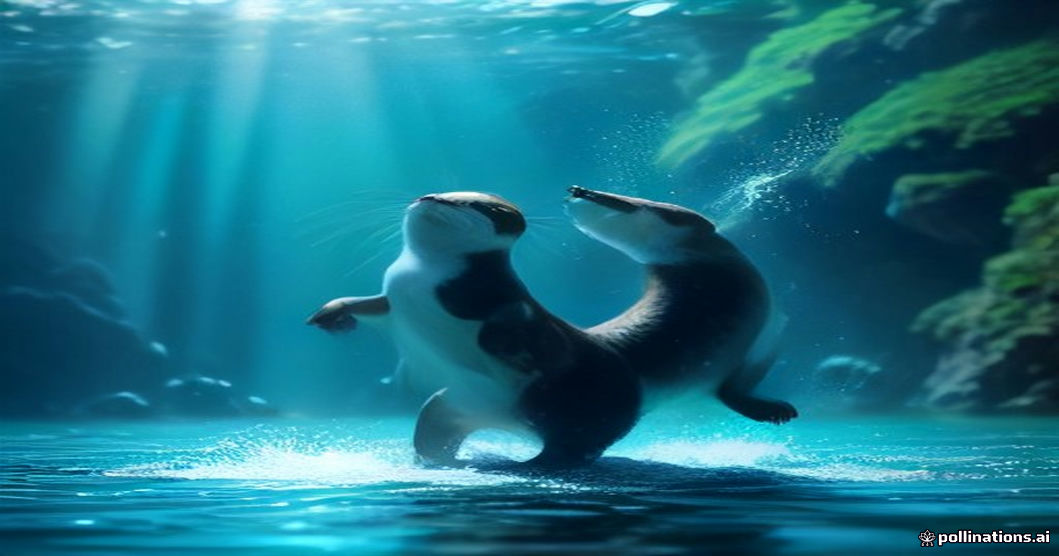
The Joyful World of Otter Dances: Behavior, Play, and Animal Health
Understanding the Playful Nature of Otters When we think of aquatic mammals, few capture our hearts quite like the otter. Known for their intelligence, sleek agility, and endearing antics, otters frequently engage in a behavior that observers affectionately call the ‘otter dance.’ Whether spinning in the water, rolling on riverbanks, or sliding down muddy slopes, […]
 Animal News
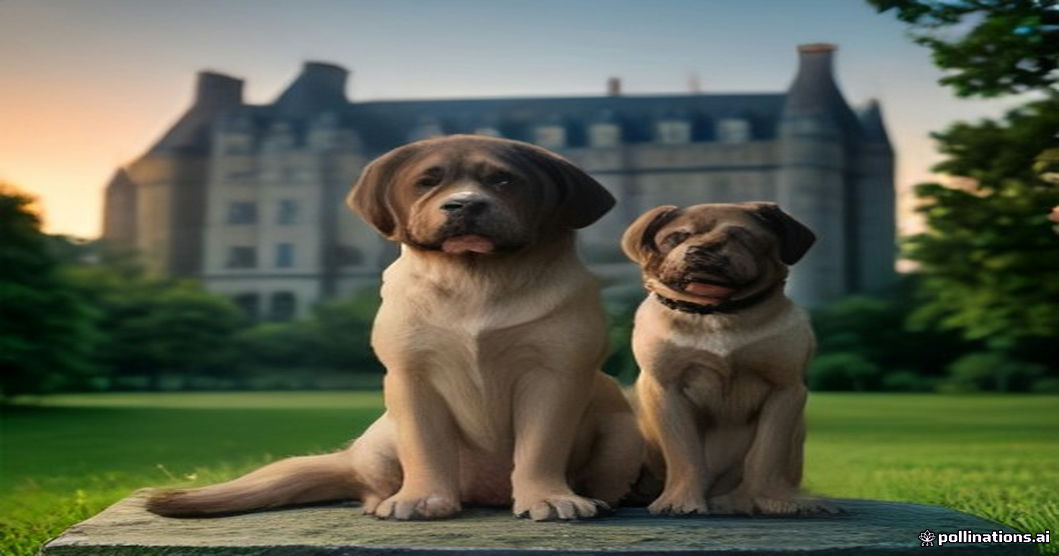
Majestic Realms: Understanding the Health and Well-Being of Guard and Estate Dogs
When we envision the grandeur of historic castles, we often picture towering stone walls, sweeping courtyards, and centuries of rich history. However, these magnificent estates were rarely empty; they were historically guarded and accompanied by powerful, noble breeds of dogs designed to protect these vast territories. The Legacy of Estate Guardians From the Mastiff pacing […]