Majestic Realms: Understanding the Health and Well-Being of Guard and Estate Dogs
When we envision the grandeur of historic castles, we often picture towering stone walls, sweeping courtyards, and centuries of rich history. However, these magnificent estates were rarely empty; they were historically guarded and accompanied by powerful, noble breeds of dogs designed to protect these vast territories. The Legacy of Estate Guardians From the Mastiff pacing […]

When we envision the grandeur of historic castles, we often picture towering stone walls, sweeping courtyards, and centuries of rich history. However, these magnificent estates were rarely empty; they were historically guarded and accompanied by powerful, noble breeds of dogs designed to protect these vast territories.
The Legacy of Estate Guardians
From the Mastiff pacing the battlements to the agile Greyhound coursing through the sprawling gardens, castle grounds have long been synonymous with specialized working dogs. Today, keeping large guardian breeds in expansive homes requires a deep understanding of their unique veterinary and nutritional needs. Their immense stature demands careful monitoring of joint health, particularly conditions like hip and elbow dysplasia, which are common in heavy-boned breeds.
Nutritional Demands of Noble Breeds
Fueling a dog fit for a castle requires precision nutrition. Large and giant breeds have distinct metabolic rates compared to smaller companion animals. Veterinary professionals recommend formulated diets rich in glucosamine and chondroitin to support structural integrity, alongside balanced protein levels to maintain lean muscle mass without inducing rapid, unhealthy growth in puppies.
Mental Enrichment and Sprawling Spaces
While having a castle-like estate offers plenty of room to roam, physical space alone is not enough to keep a working dog mentally stimulated. Engaging their ancestral instincts through scent work, obedience training, and structured territorial patrols prevents boredom-induced destructive behaviors. As pet care experts emphasize, a sound mind is just as crucial as a sound body for the ultimate royal companion.
Written by Mohammed Murtaja
Editor-in-Chief & Executive Publisher of ZooPulse. Senior investigative journalist directing evidence-based research, veterinary science verification, and editorial governance.
Related Stories
 Uncategorized
The Joyful World of Otter Dances: Behavior, Play, and Animal Health
Understanding the Playful Nature of Otters When we think of aquatic mammals, few capture our hearts quite like the otter. Known for their intelligence, sleek agility, and endearing antics, otters frequently engage in a behavior that observers affectionately call the ‘otter dance.’ Whether spinning in the water, rolling on riverbanks, or sliding down muddy slopes, […]
 Uncategorized
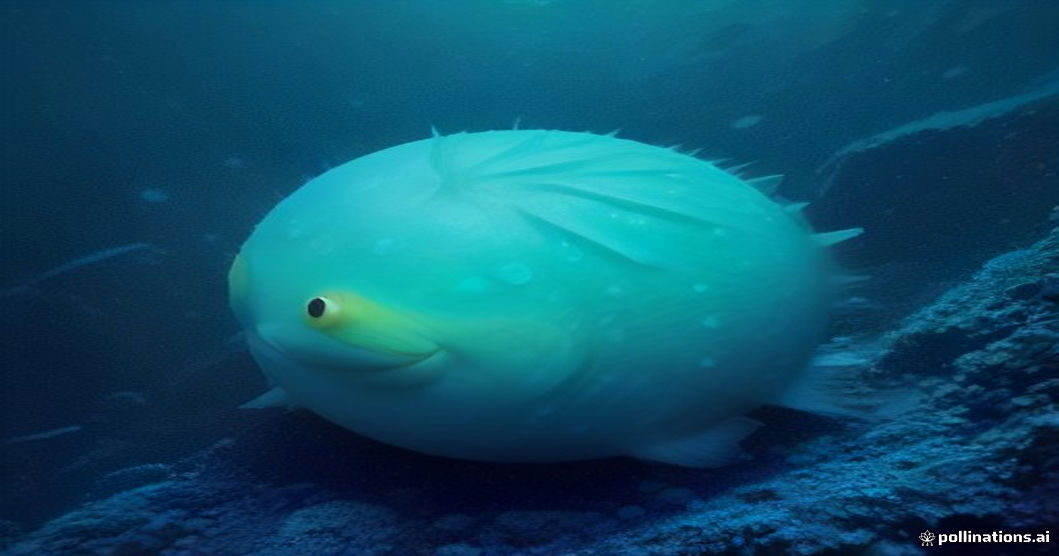
The Remarkable Spiny Lumpsucker: Nature’s Armored Marine Marvel
Among the cold, turbulent depths of the northern oceans resides one of marine biology’s most charismatic and anatomically peculiar teleost fish: the Spiny Lumpsucker (Eumicrotremus spinosus). Far from an ordinary swimmer, this miniature vertebrate possesses an array of unique physiological and morphological adaptations that allow it to thrive in some of the most unforgiving aquatic […]
 Uncategorized
The Incredible Serval Leap: Anatomy and Athleticism of Africa’s High-Flying Wild Cat
Introduction to the Serval When it comes to acrobatic prowess in the feline world, the serval (Leptailurus serval) stands out as a true master of vertical space. Native to the African savannahs, this medium-sized wild cat is uniquely adapted for a life of high-stakes hunting, most notably characterized by its breathtaking and precise leaping ability. […]