Desert Sands and Salty Breezes: A Veterinarian’s Guide to Road Tripping Namibia with Your Pet
The Allure of the Namibian Coast Imagine a landscape where the towering, apricot-colored dunes of the Namib Desert crash directly into the cold, turquoise waves of the Atlantic Ocean. This is the reality of a road trip along Namibia’s coastline. For the adventurous pet owner, this journey offers unparalleled beauty, but as a veterinarian, I […]
The Allure of the Namibian Coast
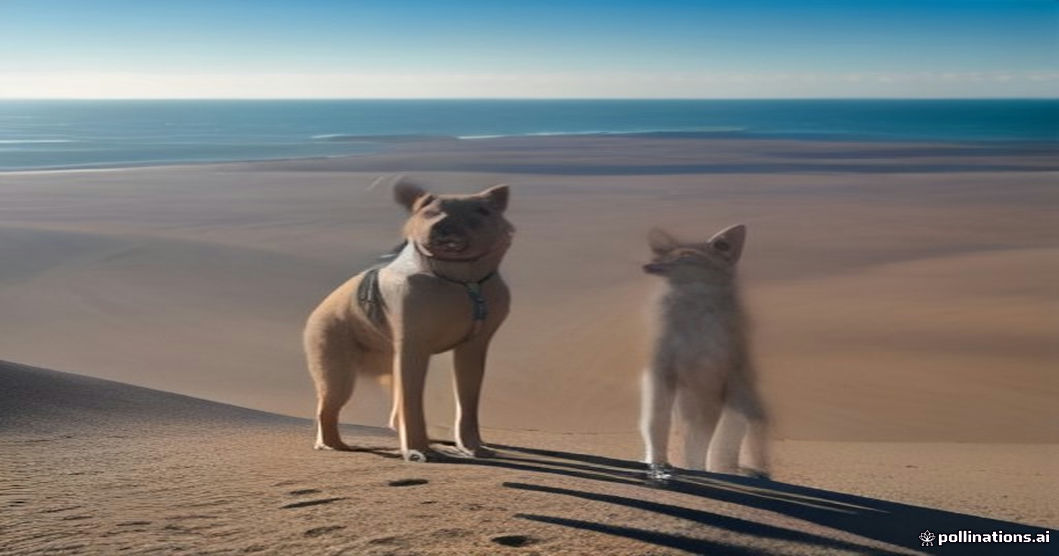
Imagine a landscape where the towering, apricot-colored dunes of the Namib Desert crash directly into the cold, turquoise waves of the Atlantic Ocean. This is the reality of a road trip along Namibia’s coastline. For the adventurous pet owner, this journey offers unparalleled beauty, but as a veterinarian, I must emphasize that it also presents unique physiological challenges for our four-legged companions. Navigating the Skeleton Coast requires more than just a 4×4; it requires a deep understanding of animal health in extreme environments.
Thermal Regulation in the Desert
The primary concern when navigating the dunes is hyperthermia, or heatstroke. The desert sun is intense, and the sand can reach temperatures that cause immediate thermal burns to paw pads. Conversely, the Benguela Current brings a chilling fog and cold winds. It is vital to provide your pet with a climate-controlled environment in your vehicle and to limit outdoor activity to the cooler dawn and dusk hours. Never leave a pet unattended in a vehicle, even with the windows cracked, as desert temperatures can spike to lethal levels in minutes.
The Importance of Paw Protection and Skin Care
In an environment where the sand meets the sea, paw care is paramount. The abrasive nature of desert sand combined with salt crystals from the ocean can cause severe dermatitis and cracking of the digital pads. I recommend using specialized, breathable dog boots for any treks on the dunes. Furthermore, the salt spray from the Atlantic can irritate a dog’s skin and coat. Always rinse your pet with fresh water after they have been near the shoreline to remove corrosive salt and prevent ‘hot spots’ or secondary skin infections.
Hydration and Salt Toxicity Management
Namibia is one of the driest countries on earth. When road tripping, you should carry a significant surplus of fresh water specifically for your pet. Dehydration can set in rapidly in the arid desert air. It is also critical to prevent your dog from drinking seawater. Ingesting high volumes of salt water can lead to salt toxicity (hypernatremia), which causes vomiting, diarrhea, and in severe cases, seizures or neurological distress. Always have a bowl of fresh, cool water available to discourage them from lapping at the tide.
Wildlife Awareness and Environmental Safety
The Namibian coast is a wild frontier. From the Cape fur seal colonies at Cape Cross to the desert-adapted jackals and hyenas that roam the dunes, your pet will encounter unfamiliar scents and potentially dangerous animals. For the safety of your pet and the local ecosystem, always keep your dog leashed. This prevents dangerous encounters with wildlife and ensures they do not get lost in the vast, shifting landscape of the dunes where tracking becomes nearly impossible.
Written by Mohammed Murtaja
Editor-in-Chief & Executive Publisher of ZooPulse. Senior investigative journalist directing evidence-based research, veterinary science verification, and editorial governance.
Related Stories
 Uncategorized
The Enigmatic Fire Cat: A Comprehensive Guide to Temminck’s Golden Cat
Introduction to the Temminck’s Golden Cat The Temminck’s golden cat (Catopuma temminckii) is a medium-sized wild cat that remains one of the most enigmatic felines in Asia. Named after the Dutch zoologist Coenraad Temminck, who first described the species in 1827, this elusive predator is known by various names across its range, reflecting its deep […]
 Uncategorized
Master of the Canopy: The Remarkable Arboreal Life of Temminck’s Golden Cat
Introduction to the Asian Golden Cat The Temminck’s Golden Cat (Catopuma temminckii), also known as the Asian Golden Cat, is an elusive and fascinating predator native to the lush forests of Southeast Asia. Often overshadowed by larger felines like tigers or leopards, this medium-sized wild cat possesses a unique set of skills and a striking […]
 Uncategorized
The Leviathan of the Deep: Unveiling the Mastery of the Megalodon
The Unrivaled Apex Predator of the Ancient Seas The Otodus megalodon remains the most formidable marine predator to have ever patrolled the Earth’s oceans. Reaching staggering lengths of 15 to 20 meters, this prehistoric giant was not merely a large shark; it was an anatomical masterpiece of evolution designed for total dominance. To visualize its […]