The Leviathan of the Deep: Unveiling the Mastery of the Megalodon
The Unrivaled Apex Predator of the Ancient Seas The Otodus megalodon remains the most formidable marine predator to have ever patrolled the Earth’s oceans. Reaching staggering lengths of 15 to 20 meters, this prehistoric giant was not merely a large shark; it was an anatomical masterpiece of evolution designed for total dominance. To visualize its […]
The Unrivaled Apex Predator of the Ancient Seas
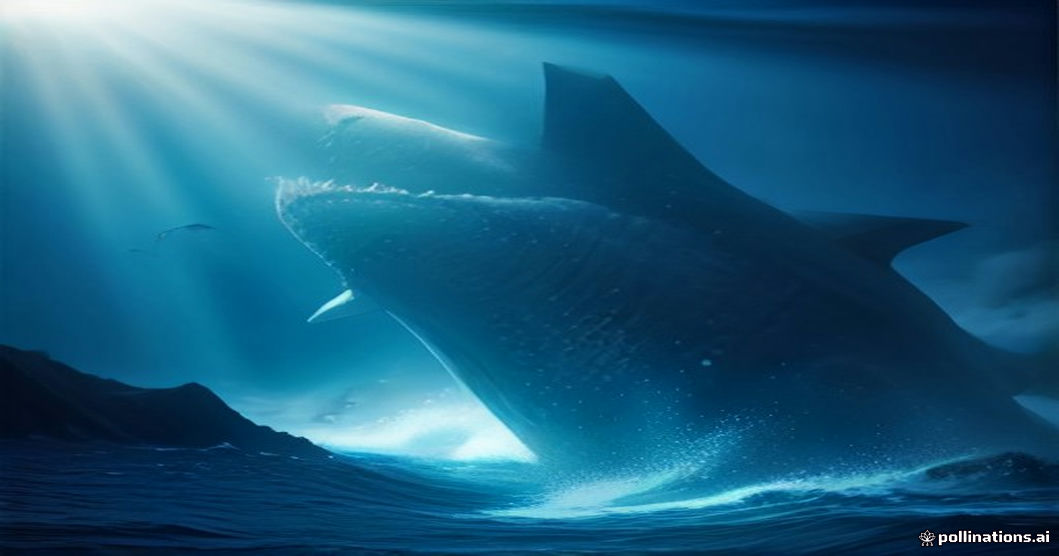
The Otodus megalodon remains the most formidable marine predator to have ever patrolled the Earth’s oceans. Reaching staggering lengths of 15 to 20 meters, this prehistoric giant was not merely a large shark; it was an anatomical masterpiece of evolution designed for total dominance. To visualize its scale, one must imagine a creature nearly three times the size of the modern Great White shark, possessing a physical presence that redefined the food chain of the Neogene period.
Anatomical Superiority and the Power of the Bite
One of the most defining characteristics of the Megalodon was its specialized dentition. Fossil records reveal teeth measuring up to 18 centimeters—roughly the size of an adult human hand. These were not just tools for biting; they were serrated instruments of efficiency. Unlike many modern predators that scavenge, the Megalodon was a precision hunter. Fossilized remains of prehistoric whales, including ribs and vertebrae, frequently display deep gouge marks consistent with Megalodon teeth. Research indicates that these predators purposefully targeted the chest cavities and vital organs of their prey to ensure a swift and decisive kill.
Ecological Impact and Hunting Strategy
As an apex predator, the Megalodon played a critical role in regulating marine populations. Its diet primarily consisted of small-to-medium-sized cetaceans, which provided the high-caloric intake necessary to sustain such a massive metabolism. By targeting the vital systems of whales, the Megalodon showcased a level of strategic hunting that suggests a highly developed sensory system, likely utilizing electroreception and acute vibration sensing to track its colossal prey through the murky depths of the ancient Atlantic and Pacific oceans.
The End of a Legend and the Role of Modern Science
Despite its absolute dominance, the Megalodon vanished from the fossil record approximately 3.6 million years ago. Scientists attribute its extinction to a combination of global cooling and the disappearance of its primary prey species. While the giant itself is gone, modern technology has allowed us to bridge the gap between fossilized bone and living history. Through advanced AI reconstructions and biomechanical modeling, we can now visualize the fluid movements and sheer power of this ocean titan, ensuring that the legacy of the Megalodon continues to fascinate and educate marine biologists and enthusiasts alike.
Written by Mohammed Murtaja
Editor-in-Chief & Executive Publisher of ZooPulse. Senior investigative journalist directing evidence-based research, veterinary science verification, and editorial governance.
Related Stories
 Uncategorized
The Enigmatic Fire Cat: A Comprehensive Guide to Temminck’s Golden Cat
Introduction to the Temminck’s Golden Cat The Temminck’s golden cat (Catopuma temminckii) is a medium-sized wild cat that remains one of the most enigmatic felines in Asia. Named after the Dutch zoologist Coenraad Temminck, who first described the species in 1827, this elusive predator is known by various names across its range, reflecting its deep […]
 Uncategorized
Master of the Canopy: The Remarkable Arboreal Life of Temminck’s Golden Cat
Introduction to the Asian Golden Cat The Temminck’s Golden Cat (Catopuma temminckii), also known as the Asian Golden Cat, is an elusive and fascinating predator native to the lush forests of Southeast Asia. Often overshadowed by larger felines like tigers or leopards, this medium-sized wild cat possesses a unique set of skills and a striking […]
 Uncategorized
The Art of Feeding Your Aquatic Companions: More Than Just a Daily Chore
Understanding the Nutritional Needs of Fish Feeding your fish is often the highlight of being an aquarium hobbyist, but it is also the most critical aspect of maintaining a healthy ecosystem. While it may seem like a simple routine, providing the correct nutrition is the cornerstone of fish health, vibrant coloration, and long-term vitality. Understanding […]