Discover the Lepilemur: Madagascar’s Fascinating Sportive Lemur
Introduction to the Lepilemur The Lepilemur, commonly known as the sportive lemur, is a truly unique primate species found exclusively on the diverse island of Madagascar. As a veterinary and pet care professional, studying these medium-sized animals reveals fascinating evolutionary adaptations that allow them to thrive in their specific island habitat. Physical Characteristics Sportive lemurs […]
Introduction to the Lepilemur
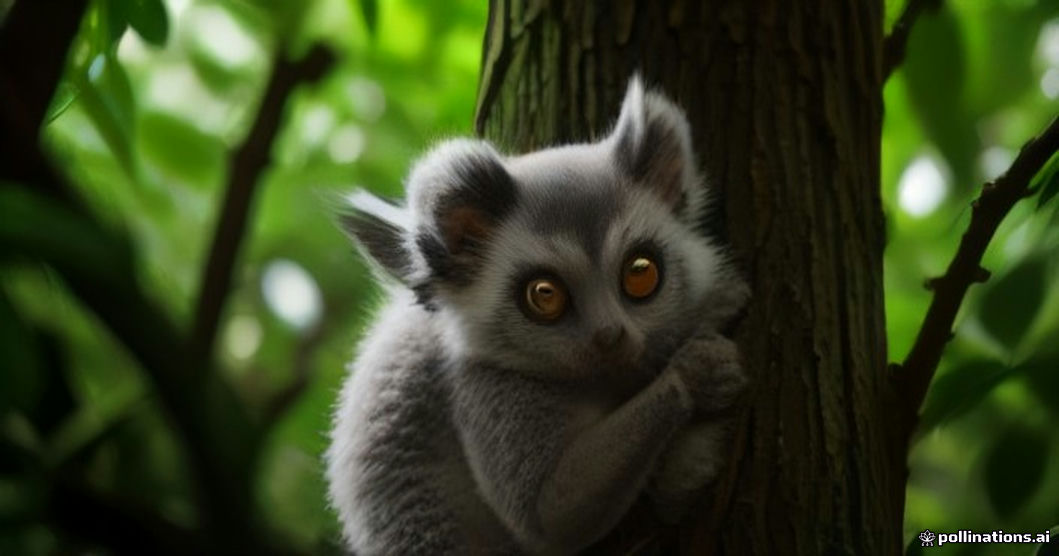
The Lepilemur, commonly known as the sportive lemur, is a truly unique primate species found exclusively on the diverse island of Madagascar. As a veterinary and pet care professional, studying these medium-sized animals reveals fascinating evolutionary adaptations that allow them to thrive in their specific island habitat.
Physical Characteristics
Sportive lemurs typically weigh up to 1 kg, featuring a body length ranging from 31 to 35 cm and a tail length of 25 to 30 cm. They possess several distinct anatomical features, including a characteristic flat nail on their first toe, a conical head, and a short snout, which all aid in their arboreal lifestyle.
Habitat and Lifestyle
As forest dwellers, sportive lemurs lead a nocturnal existence. They are naturally secretive creatures that spend the daylight hours safely hidden away in tree hollows or within carefully constructed nests made of leaves and twigs. Their diet primarily consists of plant material, including leaves, shoots, fruits, and occasionally insects.
Fascinating Metabolic Adaptations
One of the most remarkable facts about sportive lemurs is that they rank among the smallest leaf-eating mammals on Earth. They are able to survive on this notoriously low-calorie diet thanks to an extremely low metabolic rate—significantly lower than other mammals of a similar size. This specialized physiological adaptation allows them to efficiently conserve energy and thrive in their unique ecological niche.
Written by Mohammed Murtaja
Editor-in-Chief & Executive Publisher of ZooPulse. Senior investigative journalist directing evidence-based research, veterinary science verification, and editorial governance.
Related Stories
 Uncategorized
Unveiling the Cave of Miracles: A Veterinarian’s Guide to Pet Travel in Rural Spain
When pet parents think of traveling through Spain, sun-drenched beaches and bustling tapas streets usually come to mind. However, for adventurous souls and their four-legged companions, rural Andalusia holds secrets far more enchanting. Tucked away in the picturesque landscapes of the Sierra de Aracena natural park is the breathtaking Gruta de las Maravillas—the Cave of […]
 Uncategorized
Nature’s Sudden Reversal: When the Grasshopper Becomes the Predator
In the intricate hierarchy of the insect world, the praying mantis is almost universally regarded as the apex predator of the garden. Equipped with raptorial forelegs and lightning-fast reflexes, it is built to kill. However, nature occasionally offers a startling role reversal that challenges our understanding of entomological behavior: the rare and violent instance of […]
 Uncategorized
Chilling and Thinking: Understanding Your Pet’s Quiet Moments
The Mystery of the Quiet Pet As pet parents, we are often charmed by our furry companions’ hyperactive moments—the zoomies, the enthusiastic tail wags, and the eager invitation to play. However, some of the most profound insights into our pets’ health and well-being come from their quietest moments. When a dog or cat sits calmly, […]