Nature’s Sudden Reversal: When the Grasshopper Becomes the Predator
In the intricate hierarchy of the insect world, the praying mantis is almost universally regarded as the apex predator of the garden. Equipped with raptorial forelegs and lightning-fast reflexes, it is built to kill. However, nature occasionally offers a startling role reversal that challenges our understanding of entomological behavior: the rare and violent instance of […]
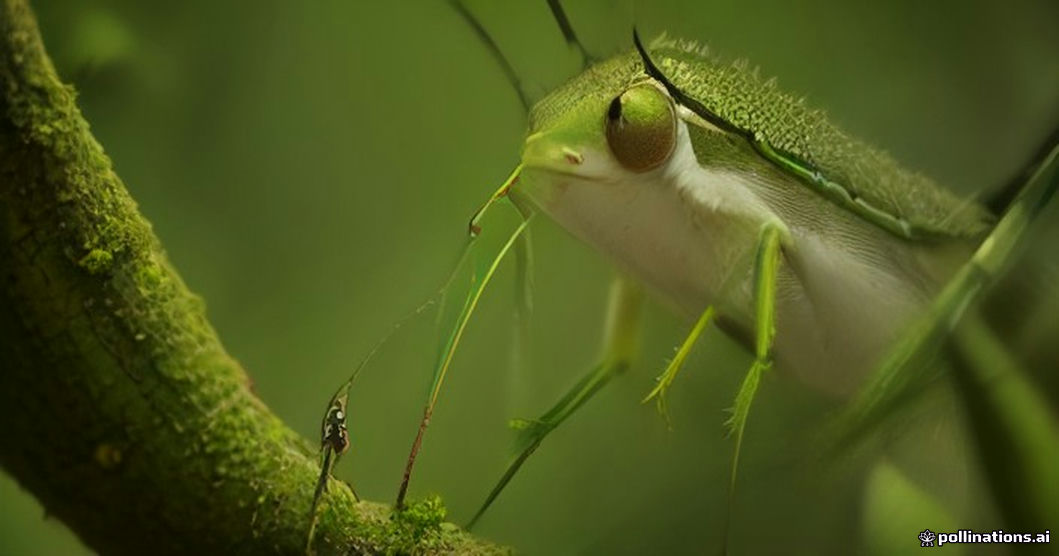
In the intricate hierarchy of the insect world, the praying mantis is almost universally regarded as the apex predator of the garden. Equipped with raptorial forelegs and lightning-fast reflexes, it is built to kill. However, nature occasionally offers a startling role reversal that challenges our understanding of entomological behavior: the rare and violent instance of a grasshopper killing a praying mantis.
The Biology of an Unexpected Killer
While most grasshopper species are primarily herbivorous, they are far from defenseless. Many possess powerful mandibles designed for grinding tough plant matter, which can exert significant pressure if used defensively. In certain species, particularly larger ones or those undergoing hormonal shifts due to overcrowding, aggression levels can spike. When a mantis miscalculates its strike or faces an exceptionally large opponent, the grasshopper’s powerful hind legs and crushing mouthparts can turn a defensive maneuver into a lethal counter-attack.
The Dynamics of the Struggle
A praying mantis typically relies on the element of surprise. If the mantis fails to secure the grasshopper’s head or thorax in its initial grasp, it leaves itself vulnerable. A large grasshopper can use its weight and the serrated edges of its legs to pin the mantis. In a struggle for survival, the grasshopper may strike the mantis’s thinner neck or abdominal region. Unlike the surgical strike of a predator, the grasshopper’s attack is often a blunt, powerful display of brute force that can result in the decapitation or disembowelment of the mantis.
Ecological Implications and Animal Behavior
From a veterinary and behavioral perspective, this event highlights the ‘predator-prey reversal’ phenomenon. It serves as a reminder that the labels of ‘predator’ and ‘prey’ are often fluid and dependent on size, health, and situational advantage. For pet owners who keep mantises or large insects, this serves as a cautionary tale: cohabitation or feeding live, oversized prey can lead to fatal outcomes for the intended predator.
Conclusion
The death of a praying mantis at the hands of a grasshopper is a visceral reminder of the raw, unpredictable nature of the animal kingdom. It underscores the importance of physical size and the sheer power of defensive mechanisms when a herbivore is pushed to its limit. In the world of insects, victory belongs not always to the hunter, but to the one best prepared for the fight.
Written by Mohammed Murtaja
Editor-in-Chief & Executive Publisher of ZooPulse. Senior investigative journalist directing evidence-based research, veterinary science verification, and editorial governance.
Related Stories
 Uncategorized
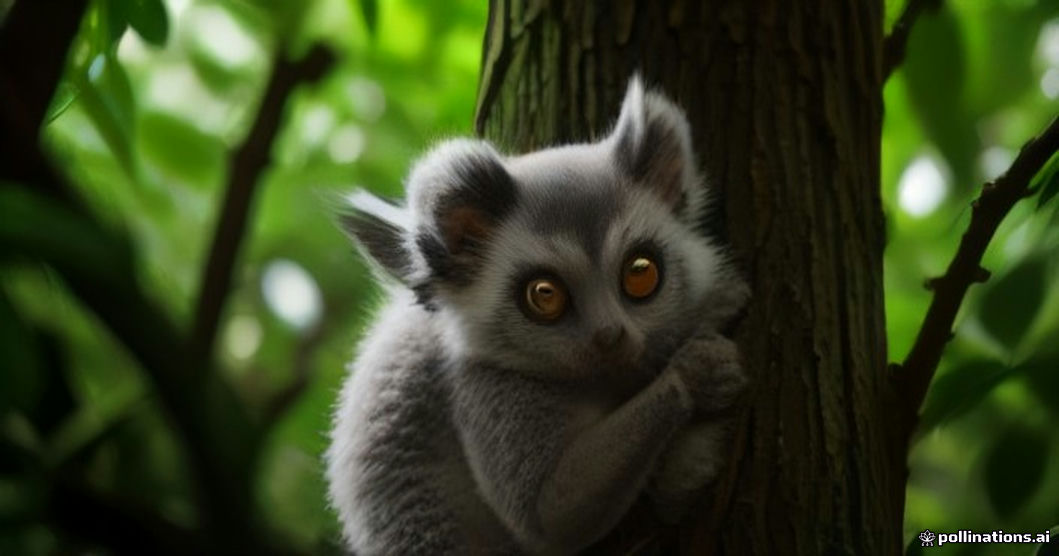
Discover the Lepilemur: Madagascar’s Fascinating Sportive Lemur
Introduction to the Lepilemur The Lepilemur, commonly known as the sportive lemur, is a truly unique primate species found exclusively on the diverse island of Madagascar. As a veterinary and pet care professional, studying these medium-sized animals reveals fascinating evolutionary adaptations that allow them to thrive in their specific island habitat. Physical Characteristics Sportive lemurs […]
 Uncategorized
Chilling and Thinking: Understanding Your Pet’s Quiet Moments
The Mystery of the Quiet Pet As pet parents, we are often charmed by our furry companions’ hyperactive moments—the zoomies, the enthusiastic tail wags, and the eager invitation to play. However, some of the most profound insights into our pets’ health and well-being come from their quietest moments. When a dog or cat sits calmly, […]
 Uncategorized
Exploring Lake Eibsee with Your Dog: A Veterinary Guide to Alpine Adventures
Nestled at the foot of the mighty Zugspitze in the Bavarian Alps, Lake Eibsee is undeniably one of Germany’s most breathtaking natural wonders. With its crystal-clear, turquoise waters and stunning mountain panoramas, it is a paradise not just for human travelers, but for adventurous dogs and their owners as well. Health and Safety Precautions for […]