Discover the Selene Vomer: The Dazzling Tropical Marvel of the Western Atlantic
Introduction to the Selene Vomer For marine enthusiasts and aquarists alike, the ocean never ceases to amaze with its breathtaking biodiversity. Among the most striking inhabitants of the coastal waters is the Selene Vomer, commonly known as the lookdown fish. Found gracefully gliding through the western Atlantic—ranging from the cool waters of New England all […]
Introduction to the Selene Vomer
For marine enthusiasts and aquarists alike, the ocean never ceases to amaze with its breathtaking biodiversity. Among the most striking inhabitants of the coastal waters is the Selene Vomer, commonly known as the lookdown fish. Found gracefully gliding through the western Atlantic—ranging from the cool waters of New England all the way down to Uruguay—this tropical marvel is truly a sight to behold.
Key Physical Characteristics
The Selene Vomer boasts a remarkably unique morphology that immediately sets it apart. It features a large, distinctively shaped head with a steep profile and a low-set mouth, giving it a futuristic and compressed appearance. Typically reaching a body length of around 35 centimeters, exceptional specimens can grow up to 47 centimeters. Perhaps its most mesmerizing feature is its brilliant, iridescent scales. These specialized scales catch and reflect light in a dazzling display, creating an almost supernatural shimmering effect as the fish navigates the water column.
Natural Habitat and Distribution
This adaptable species thrives primarily in shallow marine environments up to depths of 50 meters, preferring areas with solid or sandy bottoms where it can easily forage. Interestingly, the life cycle of the Selene Vomer includes a fascinating transition: young juveniles are frequently found inhabiting river mouths and brackish estuaries, where they find both abundant shelter and rich feeding grounds before heading out into deeper coastal waters as they mature.
Diet and Nutritional Needs
As an active carnivore, the Selene Vomer plays an important role in its local ecosystem’s food web. Its natural diet consists of a varied menu of small crabs, shrimp, small fish, and marine worms. Their low-set mouths are perfectly adapted for bottom-feeding and snapping up unsuspecting prey near the substrate. Understanding these natural dietary habits is crucial for anyone studying marine conservation or attempting to care for coastal pelagic species in specialized public aquarium settings.
Written by Mohammed Murtaja
Editor-in-Chief & Executive Publisher of ZooPulse. Senior investigative journalist directing evidence-based research, veterinary science verification, and editorial governance.
Related Stories
 Uncategorized
Exploring the Natural Splendor of Göksu Waterfall: A Pet-Friendly Haven in Aladağlar
Nature’s Timeless Masterpiece Göksu Waterfall in Aladağlar represents a breathtaking meeting of roaring water and majestic mountains that has been unfolding for thousands of years. This pristine natural wonder offers not only a visual feast for travelers and nature enthusiasts but also a refreshing sanctuary for outdoor-loving pet owners. Traveling Safely with Your Pets in […]
 Uncategorized
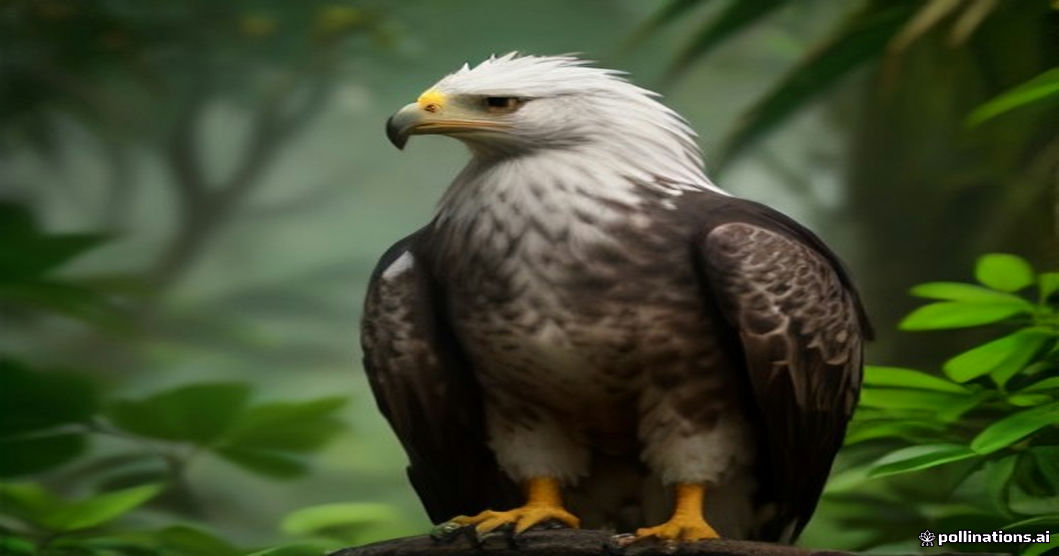
King of the Canopy: The Apex Predator and Incredible Strength of the African Crowned Eagle
Introduction to the African Crowned Eagle The Crowned Eagle (Stephanoaetus coronatus) stands as one of the most magnificent and formidable birds of prey inhabiting the tropical regions of Africa south of the Sahara. As the sole surviving member of its genus, this majestic raptor represents a unique lineage of evolutionary prowess. Its historical counterpart, the […]
 Uncategorized
Mastering the Art of Canine Cleanliness: Insights from a Professional Grooming Lesson
As a veterinarian and pet care advocate, I always emphasize that grooming is much more than just keeping our furry companions looking their best—it is an essential pillar of their overall health and well-being. Recently, I attended an intensive hands-on washing and bathing lesson led by master groomers, and the experience reinforced just how nuanced […]