Fascinating Flyers: The Biology and Behavior of Hawk Moths
Introduction to the Sphingidae Family Hawk Moths, scientifically belonging to the family Sphingidae, are renowned across the natural world for their remarkable ability to hover in mid-air above flowers. Utilizing their exceptionally long proboscis, they sip nectar with precision, a feeding behavior that often draws comparisons to hummingbirds. While many species are primarily crepuscular and […]
Introduction to the Sphingidae Family
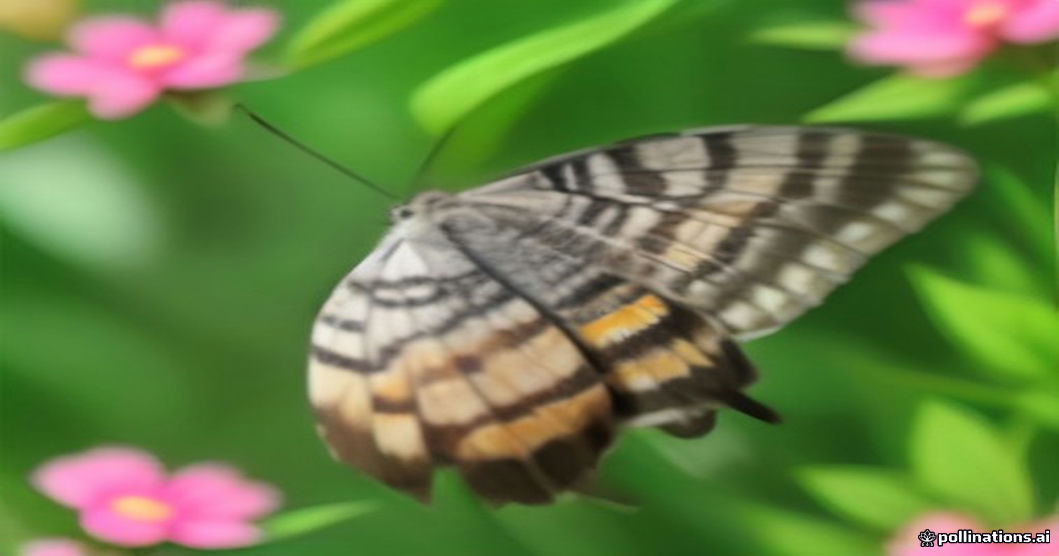
Hawk Moths, scientifically belonging to the family Sphingidae, are renowned across the natural world for their remarkable ability to hover in mid-air above flowers. Utilizing their exceptionally long proboscis, they sip nectar with precision, a feeding behavior that often draws comparisons to hummingbirds. While many species are primarily crepuscular and nocturnal, their striking presence captures the imagination of wildlife enthusiasts and nature lovers alike.
Origin of the Name and Diet Diversity
The common English name, “Hawk Moths,” is derived directly from their hawklike appearance and their swift, highly agile flight patterns. However, their dietary habits extend beyond simple nectar-seeking. These versatile insects are also known to feed on fermented fruit juices and nutrient-rich tree sap, showcasing a more diverse palate than many casual observers realize.
Physical Characteristics and Morphology
These fascinating creatures are classified as large or medium-sized moths, featuring robust, cigar-shaped bodies that typically taper gracefully to a conical point at the rear. Their wings are notably narrow and elongated, designed for speed and endurance. The wingspan generally ranges from 30 to 200 mm, with the vast majority of species averaging between 80 and 100 mm.
The Remarkable Proboscis and Unique Life Cycles
In most hawk moth species, the proboscis is exceptionally long—often measuring several times the length of the moth’s entire body. Yet, nature always maintains fascinating exceptions; in certain species, the proboscis is significantly reduced. These particular adults do not feed at all, relying entirely on the vital nutrients accumulated during their earlier caterpillar stage to sustain them through adulthood.
Written by Mohammed Murtaja
Editor-in-Chief & Executive Publisher of ZooPulse. Senior investigative journalist directing evidence-based research, veterinary science verification, and editorial governance.
Related Stories
 Nature
Deep-Sea Marvel: Unveiling the Bioluminescent Secrets of the Planctoteuthis Squid
A Remarkable Deep-Sea Encounter In the relentless pursuit of marine biodiversity and ocean exploration, scientists from the Schmidt Ocean Institute recently captured breathtaking footage of a rare Planctoteuthis squid utilizing a remotely operated vehicle (ROV). This extraordinary cephalopod immediately captivated researchers and marine biology enthusiasts alike with its distinctive anatomical features, showcasing the endless wonders […]
 Nature
Unlocking the Secrets of the Motmot: Nature’s Avian Percussionists
Introduction to the Fascinating Motmot In the vibrant, lush rainforests of Central and South America, a truly remarkable avian spectacle takes place daily. While birds are universally celebrated for their melodious songs and complex vocalizations, some species push the boundaries of communication in astonishing ways. Enter the motmot, a brilliantly colored bird known not just […]
 Nature
Marvels of the Night: The Extraordinary Standard-Winged Nightjar
Introduction to an Avian Wonder When studying the incredible diversity of nocturnal birds, one might assume there is little left to surprise a seasoned veterinarian or ornithologist. Yet, nature continually reveals breathtaking adaptations. Among these is the Standard-winged Nightjar, scientifically known as Macrodipteryx vexillarius, a species that redefines avian ornamentation during its remarkable breeding season. […]