Gentle Giants of the Wild: Understanding Affection and Social Bonding in Tigers
The Misconception of the Strictly Solitary Predator In classical zoological literature, the tiger (Panthera tigris) is predominantly categorized as an aloof, strictly solitary apex predator. While it is true that adult tigers maintain expansive individual territories and hunt independently, modern ethology and veterinary behavioral science reveal a much more nuanced emotional and social landscape. Far […]
The Misconception of the Strictly Solitary Predator
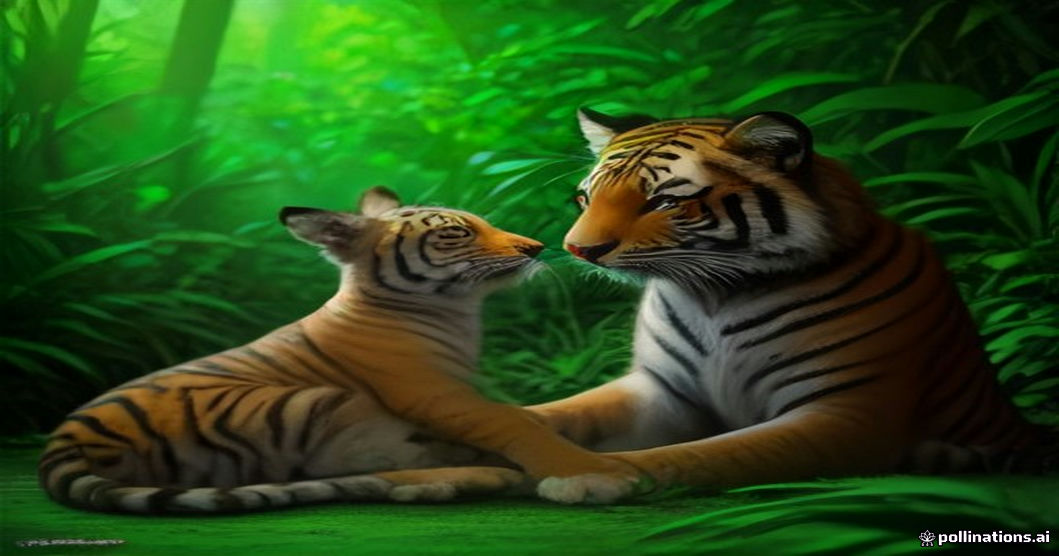
In classical zoological literature, the tiger (Panthera tigris) is predominantly categorized as an aloof, strictly solitary apex predator. While it is true that adult tigers maintain expansive individual territories and hunt independently, modern ethology and veterinary behavioral science reveal a much more nuanced emotional and social landscape. Far from being unfeeling carnivores, tigers are capable of profound displays of affection, tenderness, and enduring social bonds, sharing fundamental behavioral markers with their smaller domestic feline cousins.
The Feline Language of Love: Prusten and Head-Bunting
Tigers communicate warmth, submission, and positive social intent through specific vocal and tactile behaviors. One of the most endearing vocalizations is the ‘chuff’ or prusten. Produced through a rapid exhalation through the nostrils with the mouth closed, this soft, breathy sound signals non-aggression and friendly greeting. From a clinical perspective, prusten serves to de-escalate tension and establish peaceful contact, whether between a tigress and her cubs, paired adults in a sanctuary setting, or trusted professional caregivers.
Tactile affection is equally vital. Tigers engage in head-rubbing (allorubbing) and cheek-bunting against one another, effectively depositing pheromones from their temporal, perioral, and facial glands. This behavior creates a shared group odor, reassuring the animals of mutual safety. Mutual grooming, or allogrooming, is frequently observed among bonded pairs; using their rough, papillae-covered tongues, tigers groom hard-to-reach areas on each other’s heads and necks, which effectively lowers cortisol levels and promotes psychological well-being.
Neurological and Hormonal Drivers of Bonding
Beneath these endearing behaviors lies a complex neurochemical architecture. Just as in domestic cats and canines, social interactions in tigers stimulate the release of oxytocin, often referred to as the bonding hormone. During nursing, maternal care, and mutual grooming, elevated oxytocin levels reinforce the emotional bond between the animals, actively mitigating physiological stress responses. Observations in accredited zoological institutions indicate that tigers exhibiting regular, gentle tactile interactions with conspecifics show fewer stereotypic stress behaviors, better immune function, and higher overall welfare scores.
Maternal Devotion: The Foundation of Affection
The deepest expression of affection in the wild is seen in maternal investment. A tigress dedicates over two years to rearing her cubs, displaying exceptional tenderness. She will patiently endure playful ambushes, gently correct misbehavior with soft paw pats, and spend hours daily cuddling and licking her young to ensure their hygiene and emotional security. This early period of nurturing is critical; behavioral studies show that cubs deprived of maternal affection and social interaction often develop anxiety and maladaptive behaviors later in life.
Ethical Boundaries: Affection Does Not Equal Domestication
While acknowledging that tigers possess the capacity for affection, veterinary professionals and conservationists emphasize an essential caveat: tigers are wild, non-domesticated apex predators. The affectionate gestures observed between tigers, or between tigers and highly trained zoological professionals through protected contact, should never be confused with the docility of a domestic pet. Tigers retain their powerful predatory instincts, territorial drives, and unmatched physical strength. True respect for their affectionate nature means preserving their habitats in the wild and supporting accredited sanctuaries that prioritize species-appropriate psychological and behavioral health without exploitation.
Written by Mohammed Murtaja
Editor-in-Chief & Executive Publisher of ZooPulse. Senior investigative journalist directing evidence-based research, veterinary science verification, and editorial governance.
Related Stories
 Uncategorized
Paws in the Metropolis: Navigating Pet Care in Hong Kong
Introduction to Urban Pet Ownership in Hong Kong Hong Kong is a bustling, high-density metropolis known for its towering skyscrapers, vibrant street life, and fast-paced environment. Yet, amidst the urban concrete jungle, a thriving community of dedicated pet owners continues to grow. Caring for pets in such a compact city presents unique challenges and rewarding […]
UncategorizedSea Anemones: The Ocean’s Masters of Disguise and Invertebrate Survival
Introduction to the Fascinating Sea Anemone As animal health and marine biology experts, we often look to the ocean’s most unique creatures to understand the incredible adaptations of nature. Among the most remarkable is the sea anemone. Despite their plant-like appearance, these creatures are actually predatory marine animals related to corals and jellyfish. Without a […]
UncategorizedThe Art of Motivating Your Pet: Understanding Curiosity, Cravings, and Nutritional Health
Every pet owner knows that magical moment: the instant rustle of a treat bag, the subtle clink of a kibble scoop, or the opening of a can, and suddenly your furry friend appears from thin air. As the saying goes, they ‘came out for something tasty!’ But behind those eager eyes and hopeful whimps lies […]