Majestic Leaps in Frigid Waters: A Veterinary Perspective on Cetacean Physiology and Polar Adaptation
Few sights in the natural world evoke the sheer wonder of marine biology quite like a dolphin bursting through the surface of sub-polar waters against the backdrop of a radiant polar sunset. While this breathtaking aerial behavior captivates wildlife enthusiasts, to a veterinary professional and marine mammal scientist, it represents an extraordinary showcase of biomechanical […]
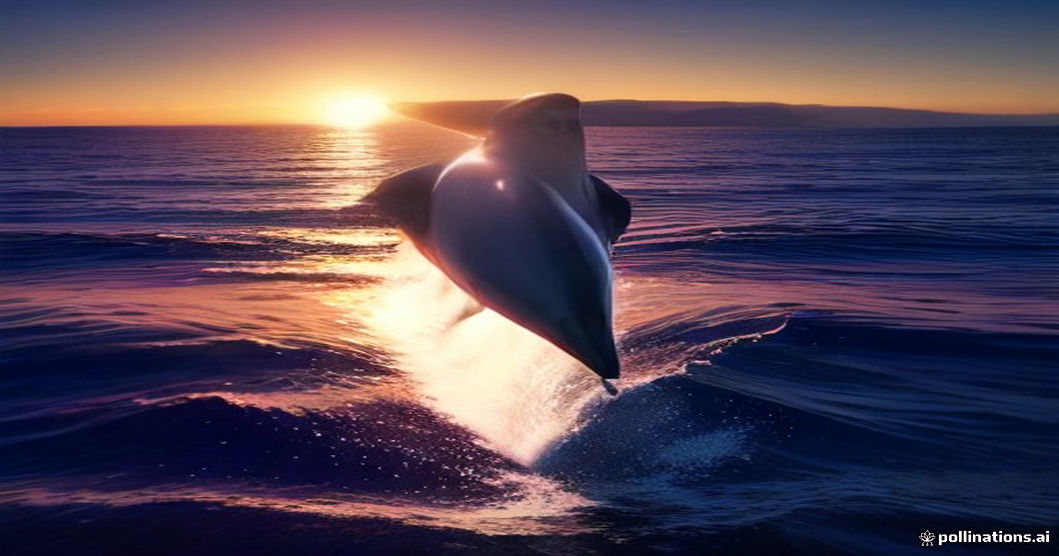
Few sights in the natural world evoke the sheer wonder of marine biology quite like a dolphin bursting through the surface of sub-polar waters against the backdrop of a radiant polar sunset. While this breathtaking aerial behavior captivates wildlife enthusiasts, to a veterinary professional and marine mammal scientist, it represents an extraordinary showcase of biomechanical efficiency, cardiopulmonary resilience, and specialized thermoregulatory adaptation.
The Biomechanics of Aerial Leaping and Porpoising
When a cetacean breaches or porpoises high above the water’s surface, it is executing an energetic calculation honed by millions of years of evolution. Water is roughly 800 times denser than air; travelling at high speeds sub-surface generates significant frictional drag. By periodically launching into the air during high-speed swimming, dolphins dramatically reduce hydrodynamic resistance, conserving crucial metabolic energy during travel or pursuit of prey.
From a muscular standpoint, this athletic feat relies on high-density axial musculature—specifically the epaxial and hypaxial muscle groups—which are rich in myoglobin. This specialized oxygen-binding protein allows dolphin muscle tissue to store vast quantities of oxygen, supporting explosive anaerobic and aerobic bursts even in near-freezing polar and temperate seas.
Thermal Defense: Surviving Frigid Polar Environments
Cold-water dolphins and oceanic cetaceans thrive in frigid marine zones due to a sophisticated biological barrier: blubber. Blubber is far more than simple adipose tissue; it is a highly vascularized, collagen-reinforced hypodermal matrix that serves dual roles as a continuous metabolic fuel reserve and an exceptional thermal insulator.
To prevent hypothermia while maintaining athletic mobility, cetaceans utilize a physiological network known as the counter-current heat exchange system. In the extremities—namely the dorsal fin, flippers, and tail flukes—arteries carrying warm blood from the core are closely surrounded by veins returning cooler blood from the periphery. Heat is transferred directly from artery to vein before the blood reaches the skin surface, trapping core warmth internally while allowing external structures to match ambient water temperatures without tissue damage.
Cardiopulmonary Fitness and the Breath of Life
The moment of airborne suspension also coincides with vital respiratory physiology. Unlike terrestrial mammals, dolphins are voluntary breathers that exchange up to 80 to 90 percent of their total lung air volume in a single explosive exhalation and inhalation through the dorsal blowhole. This rapid tidal exchange takes merely a fraction of a second.
Veterinary assessments of wild populations often evaluate blowhole discharge, breath sounds, and breathing frequency during surface transitions to monitor for cetacean respiratory ailments, such as parasitic pneumonia or viral infections. A clean, energetic leap indicates strong respiratory compliance, unhindered airway passage, and robust athletic health.
Conservation and Clinical Monitoring in Changing Climates
As polar and sub-polar ecosystems undergo rapid environmental transformations, marine mammal veterinarians and wildlife biologists increasingly rely on non-invasive visual assessments to evaluate pod vitality. Behavioral observations, photogrammetry to measure body condition, and drone-collected respiratory samples allow clinicians to track physiological stress, nutritional status, and infectious disease trends without handling wild animals.
The leap of a dolphin beneath a polar sky is a profound reminder of the intricate equilibrium between animal physiology and habitat. Preserving these marine environments is fundamental to ensuring that future generations can witness the power, vitality, and resilience of marine mammals across our global oceans.
Written by Mohammed Murtaja
Editor-in-Chief & Executive Publisher of ZooPulse. Senior investigative journalist directing evidence-based research, veterinary science verification, and editorial governance.
Related Stories
 Animal News
Island Expeditions with Your Canine: A Veterinary Guide to Navigating Coastal Cliffs, Lagoons, and Marine Hazards
Crossing over a sun-drenched bridge above a turquoise lagoon toward dramatic limestone cliffs evokes the quintessential spirit of Mediterranean adventure. Coastal islands like Tavolara boast breathtaking vistas where azure waters meet towering vertical crags. For many pet parents, sharing such sublime landscapes with a canine companion is the ultimate travel goal. However, rugged island excursions […]
 Animal News
Discover the Selene Vomer: The Dazzling Tropical Marvel of the Western Atlantic
Introduction to the Selene Vomer For marine enthusiasts and aquarists alike, the ocean never ceases to amaze with its breathtaking biodiversity. Among the most striking inhabitants of the coastal waters is the Selene Vomer, commonly known as the lookdown fish. Found gracefully gliding through the western Atlantic—ranging from the cool waters of New England all […]
 Animal News
When Waves Crash Over the House: Managing Coastal Pet Safety in Saint-Malo
Saint-Malo is legendary for its dramatic tides, historic ramparts, and the iconic sight of massive Atlantic waves crashing right over seaside homes during stormy weather. While this breathtaking coastal phenomenon draws thousands of human visitors, it presents unique and critical safety challenges for pet owners living in or visiting this magnificent Breton city. Understanding Coastal […]