Master Swimmers of the Wild: How Capybaras Are Built for Aquatic Life
Introduction to the World’s Largest Rodent As a veterinarian and pet care expert, I am often fascinated by how different species have evolved to thrive in their natural habitats. Among the most remarkable is the capybara (Hydrochoerus hydrochaeris), the largest living rodent in the world. Native to South America, these gentle giants are intimately tied […]
Introduction to the World’s Largest Rodent
As a veterinarian and pet care expert, I am often fascinated by how different species have evolved to thrive in their natural habitats. Among the most remarkable is the capybara (Hydrochoerus hydrochaeris), the largest living rodent in the world. Native to South America, these gentle giants are intimately tied to aquatic ecosystems, spending a significant portion of their lives submerged or near water.
Anatomical Adaptations for Aquatic Excellence
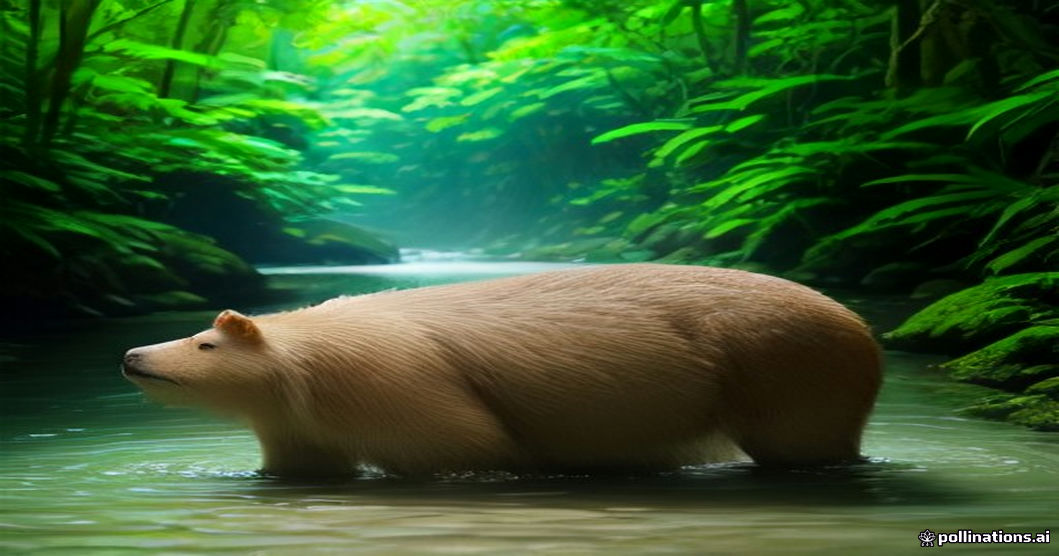
Capybaras are exceptional swimmers, a trait made possible by a series of extraordinary physiological and anatomical adaptations. Their bodies are perfectly streamlined for navigating the slow-moving rivers, streams, and lakes of their native habitats. Most notably, their feet are partially webbed, which provides powerful propulsion and precise steering as they paddle through dense aquatic vegetation.
Sensory Placement and Underwater Survival
Survival in aquatic environments requires specialized sensory mechanisms. A capybara’s eyes, ears, and nostrils are positioned high up on the top of its head. This clever biological design allows the animal to remain almost entirely submerged while keeping its vital sensory organs exposed to the air to watch for predators and breathe easily. Furthermore, they can remain submerged underwater for up to five minutes at a time, a useful defense mechanism when evading jaguars, caimans, or other natural predators.
Thermoregulation and Skin Health
Beyond mobility, water plays a crucial role in the capybara’s daily health and thermoregulation. Because they possess sparse, coarse fur and lack significant sweat glands, capybaras are prone to overheating in the tropical sun. By wallowing in mud and water during the hottest parts of the day, they protect their sensitive skin from sunburn and regulate their core body temperature effectively.
Conclusion
Whether navigating seasonally flooded savannas or dense forest wetlands, the capybara stands as a testament to nature’s ingenuity. Understanding these incredible adaptations not only deepens our appreciation for wildlife biology but also highlights the importance of preserving the pristine wetland habitats these magnificent semi-aquatic mammals call home.
Written by Mohammed Murtaja
Editor-in-Chief & Executive Publisher of ZooPulse. Senior investigative journalist directing evidence-based research, veterinary science verification, and editorial governance.
Related Stories
 Wildlife
Unveiling the Gentle Giant: The Fascinating World of the European Bison
Meet Europe’s Largest Land Mammal When we think of majestic wildlife, exotic creatures from distant continents often come to mind. However, wandering the dense forests and open grasslands of Europe is a truly magnificent animal that many people overlook: the European bison, also known as the wisent. As a veterinarian and animal care expert, I […]
 Wildlife
Don’t Disturb the Barn Owls! A Veterinary Guide to Protecting These Silent Guardians
As veterinary professionals and passionate advocates for animal welfare, we often find ourselves championing the care of domestic pets. However, the scope of animal health extends far beyond our household companions into the vital realm of wildlife conservation. One species that profoundly impacts our local ecosystems—and deserves our utmost respect and protection—is the magnificent barn […]
 Wildlife
 Resilience in Antarctica: Surviving the Ice
The Untamed Beauty of the Frozen Continent Antarctica is often perceived as a desolate wasteland, yet this remarkable place is striking in its beauty. Towering blue glaciers, endless expanses of pristine snow, and dramatic mountain peaks create a breathtaking landscape that captures the imagination of travelers and scientists alike. But beneath this icy exterior lies […]