Mastering the Art of the Canine Leap: Understanding and Protecting Your Dog’s Athletic Ability
When we watch a dog launch effortlessly into the air to catch a frisbee or clear an obstacle, it is hard not to marvel at the sheer athleticism. A magnificent jump is the culmination of explosive power, precise coordination, and incredible flexibility. As pet care experts and veterinarians, we often celebrate these moments of peak […]
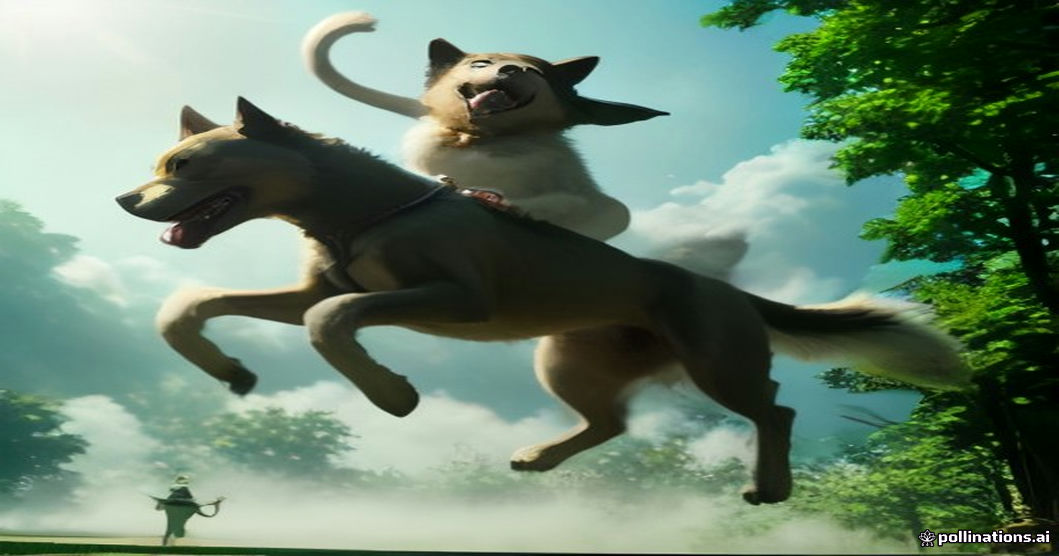
When we watch a dog launch effortlessly into the air to catch a frisbee or clear an obstacle, it is hard not to marvel at the sheer athleticism. A magnificent jump is the culmination of explosive power, precise coordination, and incredible flexibility. As pet care experts and veterinarians, we often celebrate these moments of peak physical expression in our canine companions.
The Mechanics Behind the Canine Leap
Behind every breathtaking jump lies a complex physiological process. A dog’s rear limbs act as powerful springs, utilizing major muscle groups like the quadriceps, hamstrings, and gluteals to generate upward propulsion. Simultaneously, the core and spinal muscles engage to stabilize the body mid-air, while the front limbs prepare for a controlled and safe landing. Understanding this biomechanical marvel helps us appreciate just how much stress is placed on a dog’s musculoskeletal system during high-impact activities.
Safeguarding Joint Health and Preventing Injury
Because jumping places significant stress on the hips, knees, and shoulders, proactive joint care is essential for any athletic dog. Incorporating canine conditioning exercises, maintaining an optimal body weight, and providing joint-supporting supplements such as glucosamine and omega-3 fatty acids can drastically reduce the risk of injury. Always ensure that your dog is jumping on suitable, non-slip surfaces and avoid encouraging high-impact leaps on hard concrete or in growing puppies whose growth plates have not yet closed.
Nurturing the Bond Through Safe Play
Witnessing your dog execute a magnificent jump is a thrilling experience that highlights their natural instincts and physical prowess. By prioritizing proper conditioning, nutritional support, and veterinary check-ups, you can ensure that your four-legged athlete remains strong, agile, and pain-free for years to come. Celebrate their athletic spirit safely, and continue to foster that wonderful bond through active, mindful play.
Written by Mohammed Murtaja
Editor-in-Chief & Executive Publisher of ZooPulse. Senior investigative journalist directing evidence-based research, veterinary science verification, and editorial governance.
Related Stories
 Uncategorized
Unveiling the Fascinating Pom-Pom Crab: Nature’s Tiny Boxer
Meet the Pom-Pom Crab: A Marvel of the Indo-Pacific In the vast and wondrous realm of marine life, few creatures capture the imagination quite like the Pom-Pom Crab (Lybia tesselata). Growing to a modest maximum width of about 5 centimeters, this tiny crustacean makes up for its small stature with an outsized personality and one […]
 Uncategorized
Basking in the Benefits: Why Sunbathing is Essential for Your Pet’s Health
When you spot your feline friend stretching lazily in a patch of sunlight on the living room floor or your dog soaking up the afternoon rays in the yard, you are witnessing one of nature’s simplest yet most beneficial behaviors. Sunbathing is not just about relaxation for our pets; it plays a vital role in […]
 Uncategorized
Unveiling the Secrets of Lesser Deer: Nature’s Miniature Marvels
When we think of deer, majestic stags with sprawling antlers often come to mind. However, the animal kingdom holds a fascinating secret in its underbrush: the lesser deer. As esteemed members of the ancient deer family, these diminutive creatures offer a captivating glimpse into prehistoric mammalian evolution. The Evolutionary Heritage of Lesser Deer Lesser deer, […]