Unveiling the Secrets of Lesser Deer: Nature’s Miniature Marvels
When we think of deer, majestic stags with sprawling antlers often come to mind. However, the animal kingdom holds a fascinating secret in its underbrush: the lesser deer. As esteemed members of the ancient deer family, these diminutive creatures offer a captivating glimpse into prehistoric mammalian evolution. The Evolutionary Heritage of Lesser Deer Lesser deer, […]
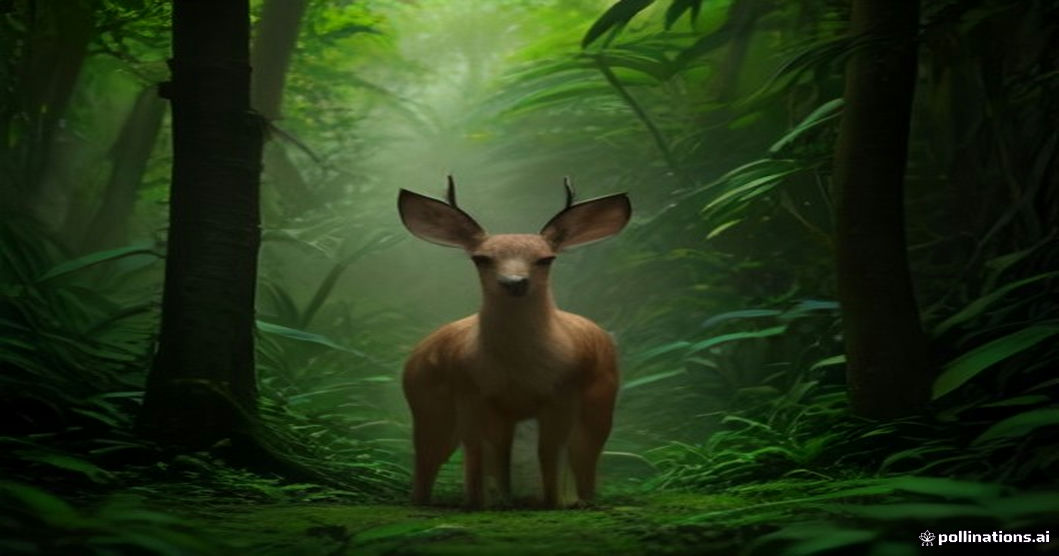
When we think of deer, majestic stags with sprawling antlers often come to mind. However, the animal kingdom holds a fascinating secret in its underbrush: the lesser deer. As esteemed members of the ancient deer family, these diminutive creatures offer a captivating glimpse into prehistoric mammalian evolution.
The Evolutionary Heritage of Lesser Deer
Lesser deer, encompassing species such as mouse-deer (chevrotains) and muntjacs, belong to some of the most primitive lineages of artiodactyls. Walking the earth largely unchanged for millions of years, these animals retain anatomical features that shed light on how modern ruminants evolved. Unlike their larger cousins, many lesser deer lack true antlers, relying instead on enlarged canine teeth for defense and territorial disputes.
Habitat, Behavior, and Veterinary Care
Thriving primarily in the dense, shadowy tropical forests of Asia and Africa, lesser deer are notoriously elusive. Their shy, solitary nature makes them challenging to study in the wild. From a zoological and veterinary standpoint, maintaining these delicate animals in captivity requires specialized knowledge. Their unique digestive tracts, delicate bone structures, and susceptibility to stress demand meticulously tailored nutritional diets and serene, secure enclosures that mimic their natural understory habitats.
Conservation and the Future
Despite their ancient lineage and adaptability, lesser deer face mounting pressures from habitat fragmentation and illegal wildlife trade. Protecting these evolutionary treasures is vital not just for biodiversity, but for preserving a living link to the ancient history of mammalian life on Earth. Through dedicated conservation efforts and advanced veterinary care, we can ensure these fascinating miniature marvels continue to grace our planet’s forests.
Written by Mohammed Murtaja
Editor-in-Chief & Executive Publisher of ZooPulse. Senior investigative journalist directing evidence-based research, veterinary science verification, and editorial governance.
Related Stories
 Uncategorized
Unveiling the Fascinating Pom-Pom Crab: Nature’s Tiny Boxer
Meet the Pom-Pom Crab: A Marvel of the Indo-Pacific In the vast and wondrous realm of marine life, few creatures capture the imagination quite like the Pom-Pom Crab (Lybia tesselata). Growing to a modest maximum width of about 5 centimeters, this tiny crustacean makes up for its small stature with an outsized personality and one […]
 Uncategorized
Basking in the Benefits: Why Sunbathing is Essential for Your Pet’s Health
When you spot your feline friend stretching lazily in a patch of sunlight on the living room floor or your dog soaking up the afternoon rays in the yard, you are witnessing one of nature’s simplest yet most beneficial behaviors. Sunbathing is not just about relaxation for our pets; it plays a vital role in […]
 Uncategorized
Mastering the Art of the Canine Leap: Understanding and Protecting Your Dog’s Athletic Ability
When we watch a dog launch effortlessly into the air to catch a frisbee or clear an obstacle, it is hard not to marvel at the sheer athleticism. A magnificent jump is the culmination of explosive power, precise coordination, and incredible flexibility. As pet care experts and veterinarians, we often celebrate these moments of peak […]