Miracle of Nature: The Fascinating Journey and Care of the Giant Panda Cub
Welcome to the captivating world of wildlife veterinary medicine, where every new arrival is a monumental triumph for conservation. Among the most cherished and delicate patients in the animal kingdom is the giant panda cub. Weighing merely 85 to 140 grams at birth—roughly the size of a stick of butter—these tiny newborns enter the world […]
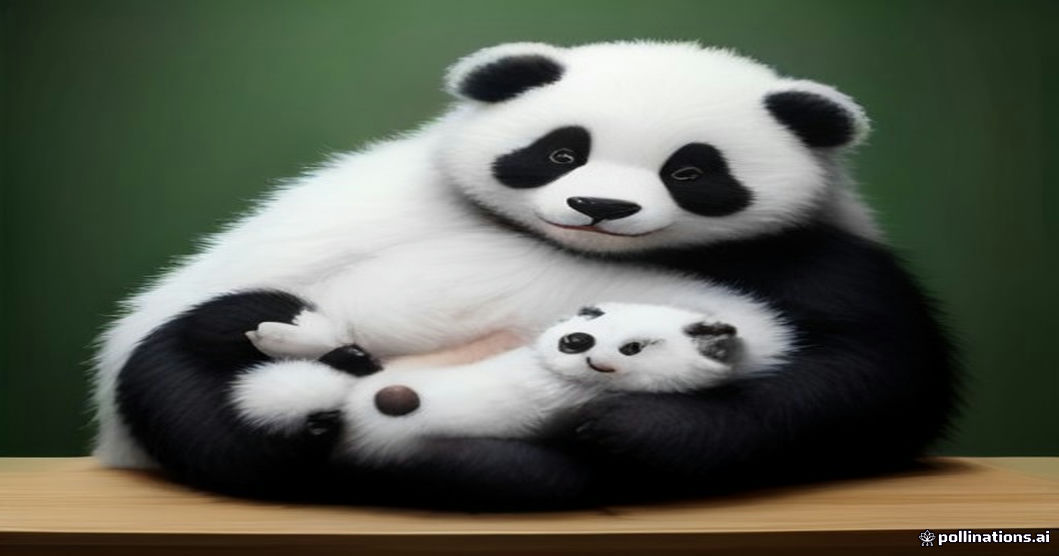
Welcome to the captivating world of wildlife veterinary medicine, where every new arrival is a monumental triumph for conservation. Among the most cherished and delicate patients in the animal kingdom is the giant panda cub. Weighing merely 85 to 140 grams at birth—roughly the size of a stick of butter—these tiny newborns enter the world remarkably underdeveloped, blind, and entirely dependent on maternal care.
The Critical First Months of Life
As veterinary professionals and conservationists closely monitor the nursery, the initial weeks are a tense period of round-the-clock observation. Giant panda cubs are born pink, hairless, and possess an astonishing weight discrepancy compared to their mothers—constituting about 1/900th of the mother’s mass. Because of this extreme vulnerability, specialized veterinary teams often practice ‘swapping’ twins in captivity to ensure both cubs receive adequate natural nursing and maternal warmth, mimicking the survival strategies deployed in the wild of Sichuan’s bamboo forests.
Nutritional Milestones and Development
The developmental timeline of a panda cub is remarkably rapid yet delicate. By the time they reach one month of age, they begin to develop their iconic black-and-white markings, closely resembling miniature versions of adult pandas. Around two months, their eyes finally open, and by three to four months, they take their first wobbly steps. Veterinary nutritionists pay meticulous attention during the weaning phase, which transitions the cub from nutrient-rich maternal milk to the initial introduction of tender bamboo shoots around the six-month mark.
Conservation and the Future of the Species
Every surviving giant panda cub represents a monumental victory for global conservation efforts. Through advanced veterinary care, habitat preservation, and international breeding programs, the status of the giant panda has successfully been upgraded from ‘Endangered’ to ‘Vulnerable.’ Understanding the unique physiological and immunological needs of these precious cubs ensures that future generations will continue to thrive, safeguarding one of the world’s most beloved symbols of wildlife preservation.
Written by Mohammed Murtaja
Editor-in-Chief & Executive Publisher of ZooPulse. Senior investigative journalist directing evidence-based research, veterinary science verification, and editorial governance.
Related Stories
 Uncategorized
Marvels of the Night: The Extraordinary Standard-Winged Nightjar
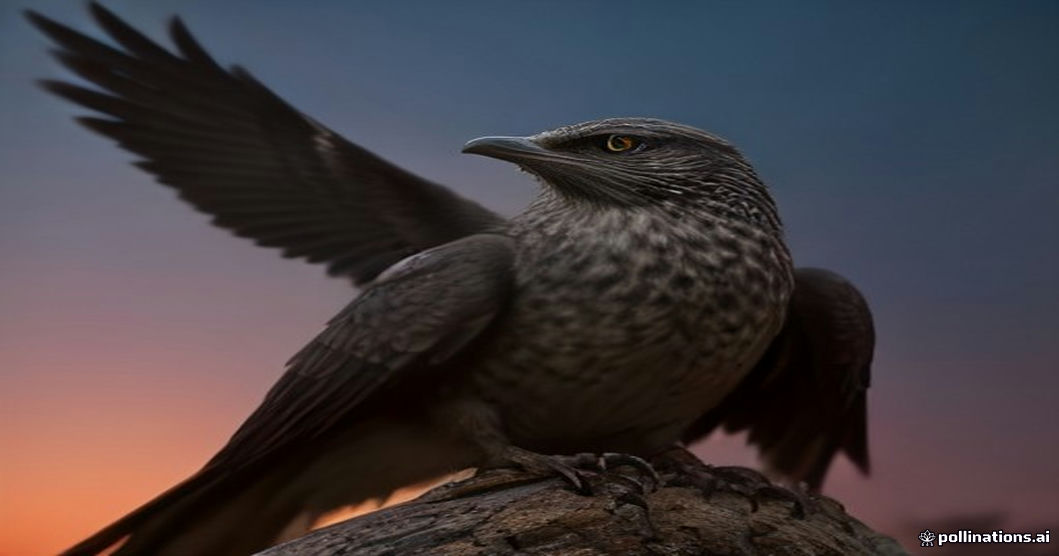
Introduction to an Avian Wonder When studying the incredible diversity of nocturnal birds, one might assume there is little left to surprise a seasoned veterinarian or ornithologist. Yet, nature continually reveals breathtaking adaptations. Among these is the Standard-winged Nightjar, scientifically known as Macrodipteryx vexillarius, a species that redefines avian ornamentation during its remarkable breeding season. […]
 Uncategorized
Unveiling the Mysteries of the Standard-winged Nightjar: Nature’s Master of Nocturnal Display
Introduction to the Nightjar Family In the quiet realm of the nocturnal world, few avian species capture the imagination quite like the nightjar. Known for their cryptic plumage and elusive lifestyles, these fascinating birds are marvels of evolutionary adaptation. Among them, the Standard-winged Nightjar (Macrodipteryx longipennis) stands out as a true spectacle of nature, renowned […]
 Uncategorized
The Deceptive Kiss: Understanding Cichlid Jaw-Locking Behavior
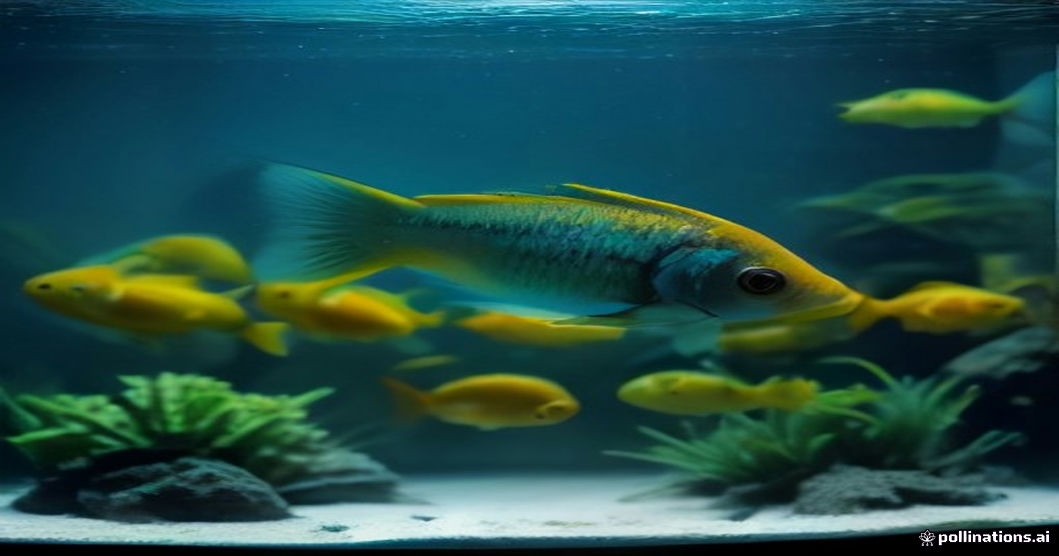
Misunderstood Aquatic Romance To the untrained eye, watching two aquarium fish press their lips together might look like a tender moment of underwater affection. However, this romantic illusion couldn’t be further from the truth. In the fascinating world of fish behavior, this iconic lip-to-lip action is known as jaw-locking, and it is actually a serious […]