The Deceptive Kiss: Understanding Cichlid Jaw-Locking Behavior
Misunderstood Aquatic Romance To the untrained eye, watching two aquarium fish press their lips together might look like a tender moment of underwater affection. However, this romantic illusion couldn’t be further from the truth. In the fascinating world of fish behavior, this iconic lip-to-lip action is known as jaw-locking, and it is actually a serious […]
Misunderstood Aquatic Romance
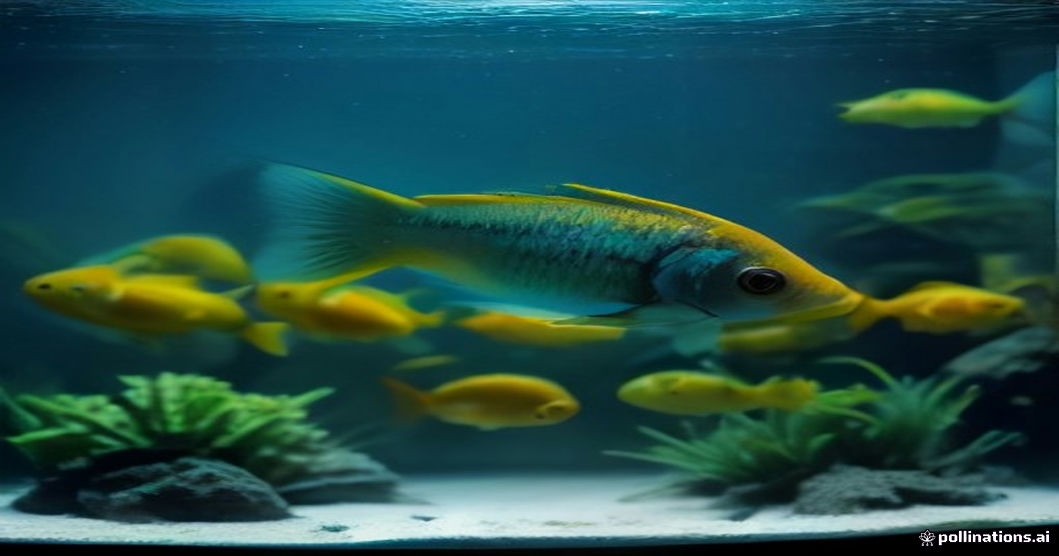
To the untrained eye, watching two aquarium fish press their lips together might look like a tender moment of underwater affection. However, this romantic illusion couldn’t be further from the truth. In the fascinating world of fish behavior, this iconic lip-to-lip action is known as jaw-locking, and it is actually a serious display of aggression.
The Fierce Battle for Dominance
When certain fish species, most notably specific types of African and South American cichlids, lock jaws, they are engaging in a fierce physical contest. This behavior is a ritualized test of strength, stamina, and dominance. By pushing and pulling against one another, the combatants are trying to establish territory, secure access to resources, or determine hierarchy within the aquarium community.
What Aquarists Need to Know
As a pet care professional and veterinarian, I always advise aquarists to monitor their tanks closely when jaw-locking occurs. While it is a natural natural behavior, prolonged fights can lead to severe physical exhaustion, tissue damage around the mouth, and secondary infections. Ensuring adequate tank space, hiding spots, and proper stocking ratios can help mitigate this aggressive behavior and keep your aquatic pets healthy and stress-free.
Written by Mohammed Murtaja
Editor-in-Chief & Executive Publisher of ZooPulse. Senior investigative journalist directing evidence-based research, veterinary science verification, and editorial governance.
Related Stories
 Uncategorized
Marvels of the Night: The Extraordinary Standard-Winged Nightjar
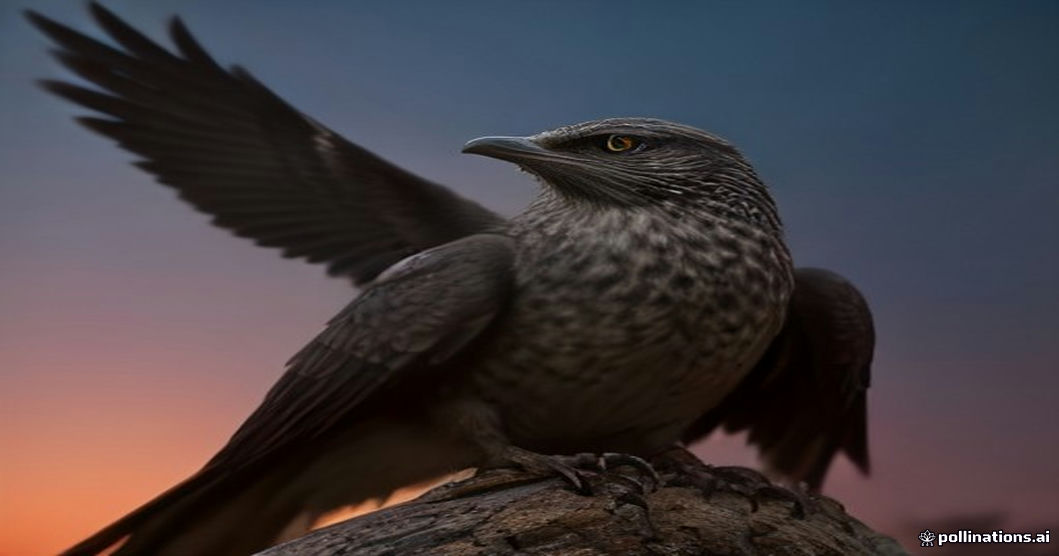
Introduction to an Avian Wonder When studying the incredible diversity of nocturnal birds, one might assume there is little left to surprise a seasoned veterinarian or ornithologist. Yet, nature continually reveals breathtaking adaptations. Among these is the Standard-winged Nightjar, scientifically known as Macrodipteryx vexillarius, a species that redefines avian ornamentation during its remarkable breeding season. […]
 Uncategorized
Unveiling the Mysteries of the Standard-winged Nightjar: Nature’s Master of Nocturnal Display
Introduction to the Nightjar Family In the quiet realm of the nocturnal world, few avian species capture the imagination quite like the nightjar. Known for their cryptic plumage and elusive lifestyles, these fascinating birds are marvels of evolutionary adaptation. Among them, the Standard-winged Nightjar (Macrodipteryx longipennis) stands out as a true spectacle of nature, renowned […]
 Uncategorized
Miracle of Nature: The Fascinating Journey and Care of the Giant Panda Cub
Welcome to the captivating world of wildlife veterinary medicine, where every new arrival is a monumental triumph for conservation. Among the most cherished and delicate patients in the animal kingdom is the giant panda cub. Weighing merely 85 to 140 grams at birth—roughly the size of a stick of butter—these tiny newborns enter the world […]