Mysterious Wanderers of the Steppe: Understanding and Protecting the Asian Kulan
Introduction to the Kulan The kulan (Equus hemionus kulan), a magnificent and resilient subspecies of the Asiatic wild ass, is uniquely adapted to thrive in some of the most unforgiving landscapes on Earth. Primarily inhabiting the vast deserts, semi-deserts, and arid steppes of Central Asia, this remarkable equid represents a crucial component of its native […]
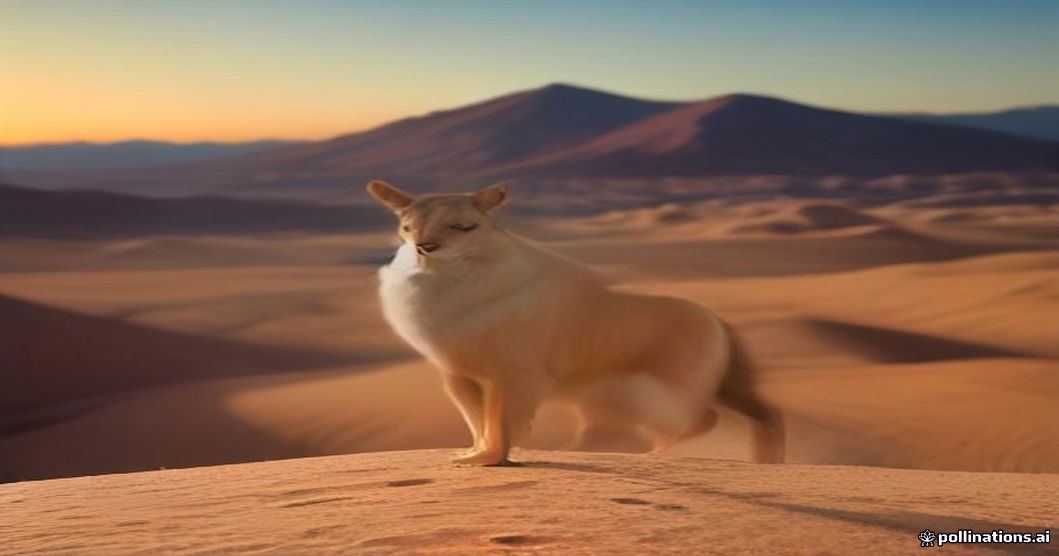
Introduction to the Kulan
The kulan (Equus hemionus kulan), a magnificent and resilient subspecies of the Asiatic wild ass, is uniquely adapted to thrive in some of the most unforgiving landscapes on Earth. Primarily inhabiting the vast deserts, semi-deserts, and arid steppes of Central Asia, this remarkable equid represents a crucial component of its native ecosystem.
Habitat and Environmental Adaptations
Inhabiting the harsh expanses of Asia, kulans have evolved specialized physiological and behavioral traits to survive extreme temperatures, sparse vegetation, and limited water sources. Their ability to cover vast distances in search of sustenance highlights their incredible endurance and makes them true nomads of the desert.
Conservation Status and Wildlife Health
Despite their rugged nature, kulan populations face significant threats from habitat fragmentation, poaching, and competition with livestock. As wildlife veterinarians and conservationists monitor their health, habitat preservation remains paramount to ensuring these majestic runners continue to roam the Asian wilderness for generations to come.
Written by Mohammed Murtaja
Editor-in-Chief & Executive Publisher of ZooPulse. Senior investigative journalist directing evidence-based research, veterinary science verification, and editorial governance.
Related Stories
 Uncategorized
The Lechwe Antelope: A Master of Savanna Wetlands and Aquatic Adaptations
As a veterinarian and wildlife enthusiast, I am always fascinated by how species evolve unique physiological traits to thrive in challenging environments. The Lechwe antelope (Kobus leche), a remarkable savanna dweller belonging to the waterbuck genus, stands out as a prime example of such evolutionary brilliance. Physical Characteristics and Sexual Dimorphism Standing at a maximum […]
 Uncategorized
Unveiling the Marabou Stork: Giants of the Avian World
Introduction to the Mighty Marabou Stork Among all storks, the marabou stands out for its truly impressive size and distinctive appearance. Scientifically categorized into three subspecies—Indian, African, and Javan—these magnificent birds command attention wherever they roam. Here, we take a closer look at the African marabou (Leptoptilos crumeniferus), a species known as much for its […]
 Uncategorized
Nature’s Unique Dads: The Fascinating Biology of Male Seahorse Pregnancy
An Evolutionary Marvel of the Ocean In the vast and diverse underwater kingdom, few creatures challenge traditional biological norms quite like the seahorse (genus Hippocampus). While the animal kingdom overwhelmingly assigns the role of pregnancy to females, these remarkable teleost fish have flipped the script, making male pregnancy one of nature’s most captivating phenomena. The […]