Nature’s Elegant Fisher: Understanding the Royal Spoonbill (Platalea regia)
Introduction to the Royal Spoonbill The Royal Spoonbill, scientifically known as Platalea regia, stands as one of the most distinctive members of the Threskiornithidae family. Closely related to the ibis, this majestic wading bird is a common sight across the wetlands of Australia, New Zealand, New Guinea, and the surrounding islands of the Pacific. With […]
Introduction to the Royal Spoonbill
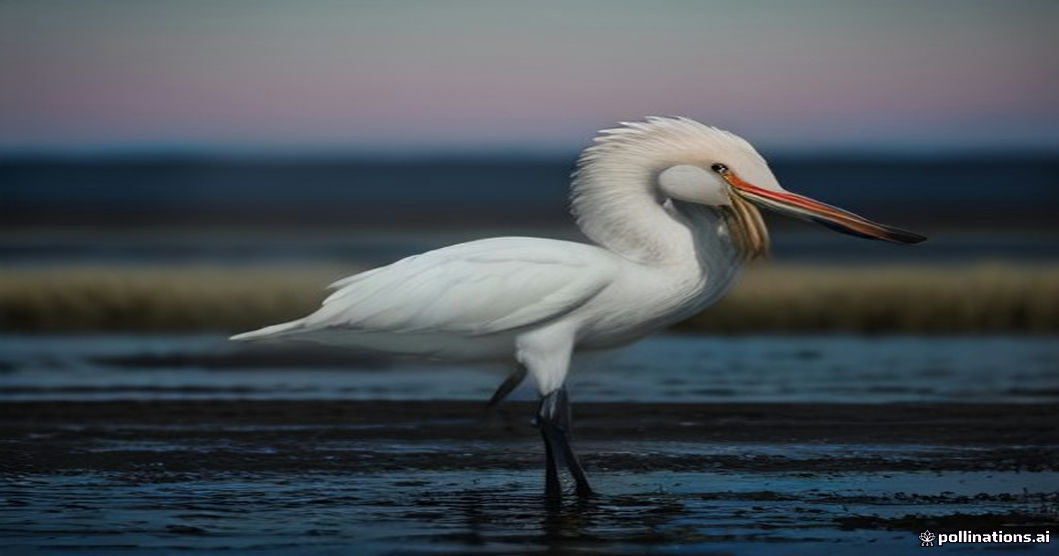
The Royal Spoonbill, scientifically known as Platalea regia, stands as one of the most distinctive members of the Threskiornithidae family. Closely related to the ibis, this majestic wading bird is a common sight across the wetlands of Australia, New Zealand, New Guinea, and the surrounding islands of the Pacific. With its striking white plumage and specialized anatomy, it serves as a fascinating subject for ornithologists and wildlife enthusiasts alike.
Physical Characteristics and Dimensions
Measuring between 75 and 80 centimeters in length and weighing up to 2 kilograms, the Royal Spoonbill is a bird of significant presence. It boasts a wingspan of approximately 1.2 meters, allowing for graceful flight between foraging grounds. While its body is covered in brilliant white feathers, its most striking features are found on its head. The bare skin of the face is deep black, accented by a subtle red crown and bright yellow patches above the eyes, creating a stark, regal contrast.
The Mechanics of Foraging: A Masterclass in Adaptation
The hallmark of the species is its namesake bill. This elongated, spoon-shaped appendage is not merely for show; it is a highly sensitive sensory tool. To feed, the Royal Spoonbill wades through shallow aquatic environments, submerging its bill and sweeping it in a rhythmic side-to-side motion. This technique, known as ‘tactofeeding,’ allows the bird to detect the vibrations of prey in murky waters. Its diet is diverse, consisting primarily of small fish, amphibians, and aquatic vegetation.
Nocturnal Habits and Behavioral Ecology
Interestingly, the Royal Spoonbill is primarily crepuscular or nocturnal, meaning it is most active during the twilight hours of dawn and dusk, or throughout the night. During the day, these birds are often seen resting in tall trees or amidst dense reed beds to conserve energy. This behavioral pattern minimizes competition with daytime predators and other wading birds, showcasing a sophisticated ecological niche specialization.
Conclusion: An Evolutionary Icon
From its specialized tactile feeding methods to its expansive range across the Oceania region, the Royal Spoonbill remains an iconic example of evolutionary adaptation. Its presence in our wetlands is a vital indicator of ecosystem health, reminding us of the intricate balance required to sustain such specialized avian life.
Written by Mohammed Murtaja
Editor-in-Chief & Executive Publisher of ZooPulse. Senior investigative journalist directing evidence-based research, veterinary science verification, and editorial governance.
Related Stories
 Uncategorized
The Dusky Damselfish: Nature’s Miniature Territorial Guardian
Meet the Brazilian Stegastes In the vibrant, bustling world of the Atlantic coral reefs, few creatures are as dedicated to their patch of ocean as the Brazilian Stegastes (Stegastes fuscus), commonly known as the Dusky Damselfish. While small in stature, this fish commands respect through its bold personality and unwavering commitment to its territory. Territorial […]
 Uncategorized
Nature’s Master of Stealth: The Invisible World of the Cystisoma
Introduction to the Deep-Sea Ghost In the vast, midnight depths of our oceans lies a creature so perfectly adapted to its environment that it remains virtually invisible to the naked eye. The Cystisoma, a remarkable genus of hyperiid amphipods, represents one of nature’s most sophisticated examples of biological camouflage. Often resembling a translucent shrimp, this […]
 Uncategorized
A Veterinarian’s Guide to Exploring Seljalandsfoss: Traveling Safely with Your Pet
The Majestic Beauty of Seljalandsfoss Seljalandsfoss is one of Iceland’s most famous and picturesque waterfalls, characterized by its stunning 60-meter drop and the unique opportunity for visitors to walk behind the cascading curtain of water. For pet owners, this natural wonder is a bucket-list destination, but as a veterinary professional, I advise that such an […]