Nature’s Silent Sentinels: The Intricate Family Life of the Great Grey Owl
The Majestic Phantom of the Boreal Forest As a veterinarian with a focus on avian physiology and wildlife health, I have always been captivated by the Great Grey Owl (Strix nebulosa). Known as the ‘Phantom of the North,’ this species is not only the world’s largest owl by length but also exhibits some of the […]
The Majestic Phantom of the Boreal Forest
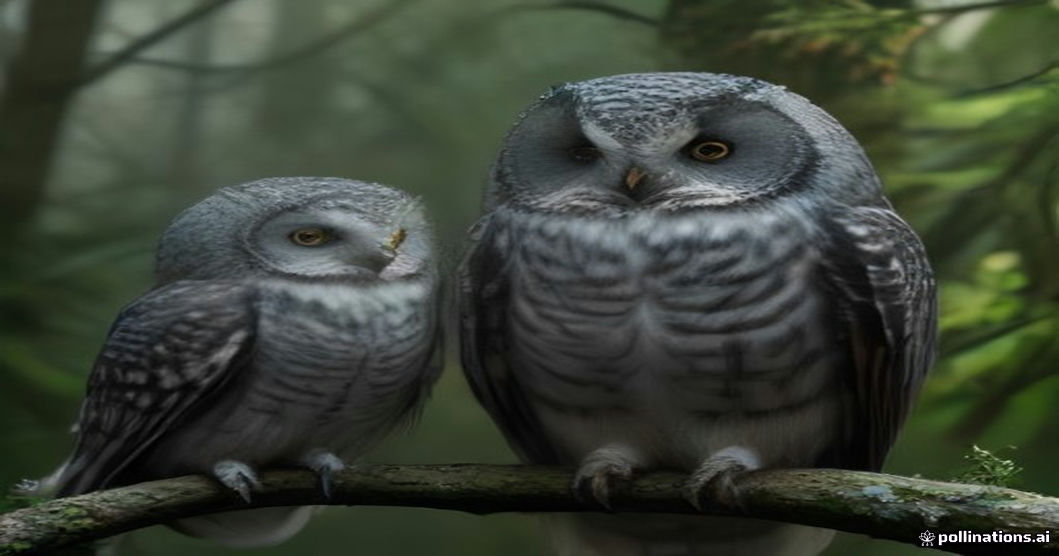
As a veterinarian with a focus on avian physiology and wildlife health, I have always been captivated by the Great Grey Owl (Strix nebulosa). Known as the ‘Phantom of the North,’ this species is not only the world’s largest owl by length but also exhibits some of the most dedicated family dynamics in the avian kingdom. Understanding the family unit of these birds offers profound insights into survival, parental care, and the delicate balance of forest ecosystems.
Nesting and Parental Roles
Great Grey Owl families do not follow the typical avian trend of building their own nests. Instead, they are opportunistic, often repurposing the abandoned stick nests of ravens or hawks, or utilizing the flat tops of large, broken-off tree snags. Once a site is chosen, the roles within the family are strictly defined. The female is the primary protector and incubator, spending nearly 30 days shielding her eggs from the harsh northern elements while the male takes on the role of the sole provider.
The Nutritional Demands of Growing Owlets
From a clinical perspective, the growth rate of Great Grey owlets is staggering. When the chicks hatch, they are covered in white down and are completely dependent on their parents. The male must hunt with surgical precision, utilizing his exceptional hearing to locate voles and small mammals even beneath deep snow. As a health expert, I look at these hunting feats as a marvel of metabolic efficiency; the male must provide enough protein to double the chicks’ weight in a matter of days while maintaining his own physical stamina.
The Vulnerable ‘Branching’ Phase
One of the most unique aspects of the Great Grey Owl family is the ‘branching’ stage. At about three to four weeks of age, before they can truly fly, the young owls leave the nest to climb nearby trees. During this time, the family is at its most vulnerable. The parents remain fiercely protective, often dive-boxing potential predators to ensure the safety of their young. This stage is critical for the development of motor skills and the strengthening of wing muscles, preparing them for a life of silent flight.
Conservation and Health Outlook
The health of a Great Grey Owl family is inextricably linked to the health of their habitat. Lead poisoning, habitat fragmentation, and fluctuations in prey populations are the primary stressors we see in the field. To support these magnificent families, we must focus on preserving the old-growth forests they call home. A healthy environment ensures that the next generation of these silent sentinels can continue to thrive and maintain the biodiversity of our northern wilderness.
Written by Mohammed Murtaja
Editor-in-Chief & Executive Publisher of ZooPulse. Senior investigative journalist directing evidence-based research, veterinary science verification, and editorial governance.
Related Stories
 Uncategorized
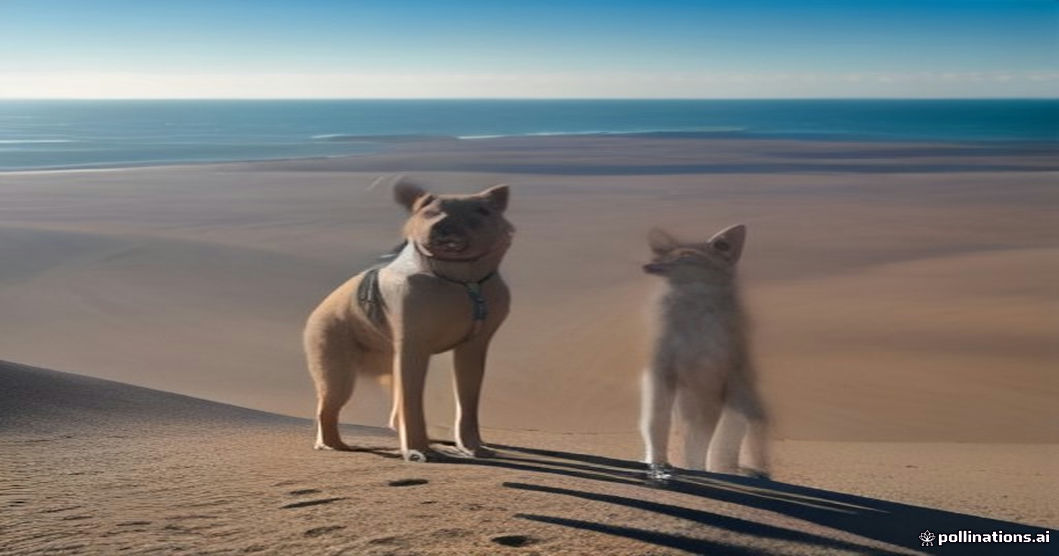
Desert Sands and Salty Breezes: A Veterinarian’s Guide to Road Tripping Namibia with Your Pet
The Allure of the Namibian Coast Imagine a landscape where the towering, apricot-colored dunes of the Namib Desert crash directly into the cold, turquoise waves of the Atlantic Ocean. This is the reality of a road trip along Namibia’s coastline. For the adventurous pet owner, this journey offers unparalleled beauty, but as a veterinarian, I […]
 Uncategorized
The Enigmatic Fire Cat: A Comprehensive Guide to Temminck’s Golden Cat
Introduction to the Temminck’s Golden Cat The Temminck’s golden cat (Catopuma temminckii) is a medium-sized wild cat that remains one of the most enigmatic felines in Asia. Named after the Dutch zoologist Coenraad Temminck, who first described the species in 1827, this elusive predator is known by various names across its range, reflecting its deep […]
 Uncategorized
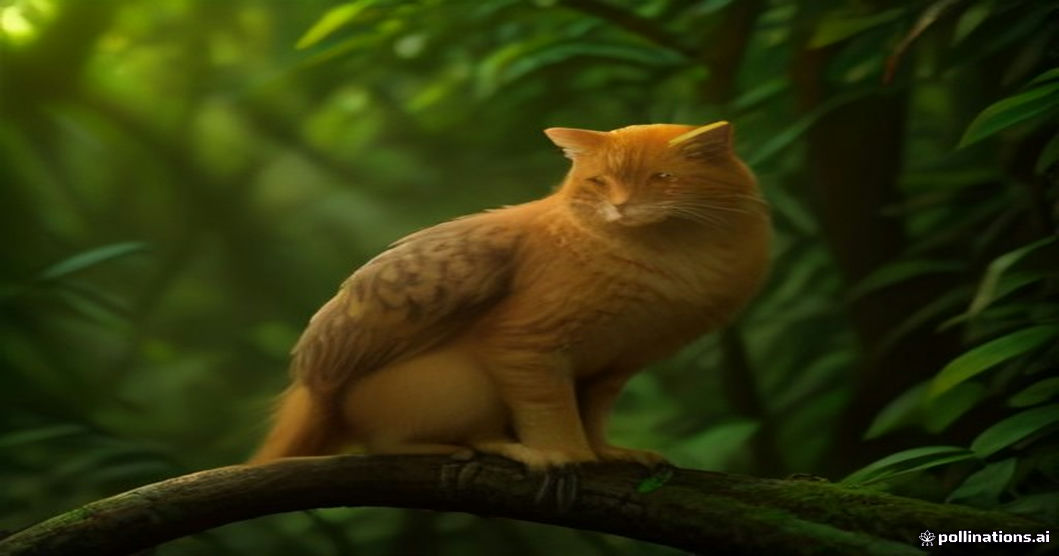
Master of the Canopy: The Remarkable Arboreal Life of Temminck’s Golden Cat
Introduction to the Asian Golden Cat The Temminck’s Golden Cat (Catopuma temminckii), also known as the Asian Golden Cat, is an elusive and fascinating predator native to the lush forests of Southeast Asia. Often overshadowed by larger felines like tigers or leopards, this medium-sized wild cat possesses a unique set of skills and a striking […]